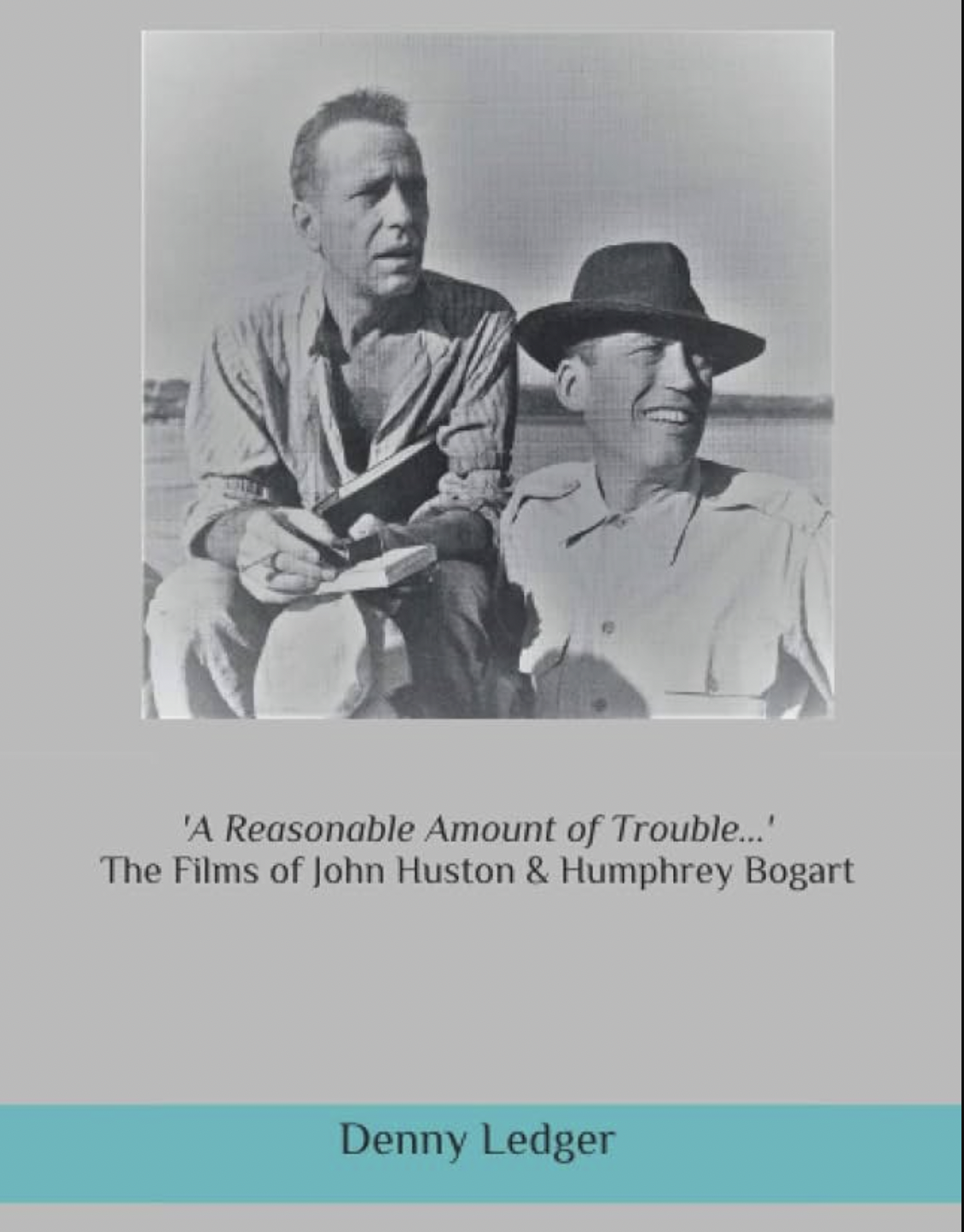
Of all the legendary director/lead pairings, it seems to me that John Huston’s work with Humphrey Bogart is a bit unheralded all things considered. I suppose author Danny Ledger thought the same thing and wrote a book about their work together: ‘A Reasonable Amount of Trouble…’ – The Films of John Huston & Humphrey Bogart. This article only discusses and ranks the films Huston directed. Huston also wrote a couple of films that Bogart was in.
6. Beat the Devil [1953]
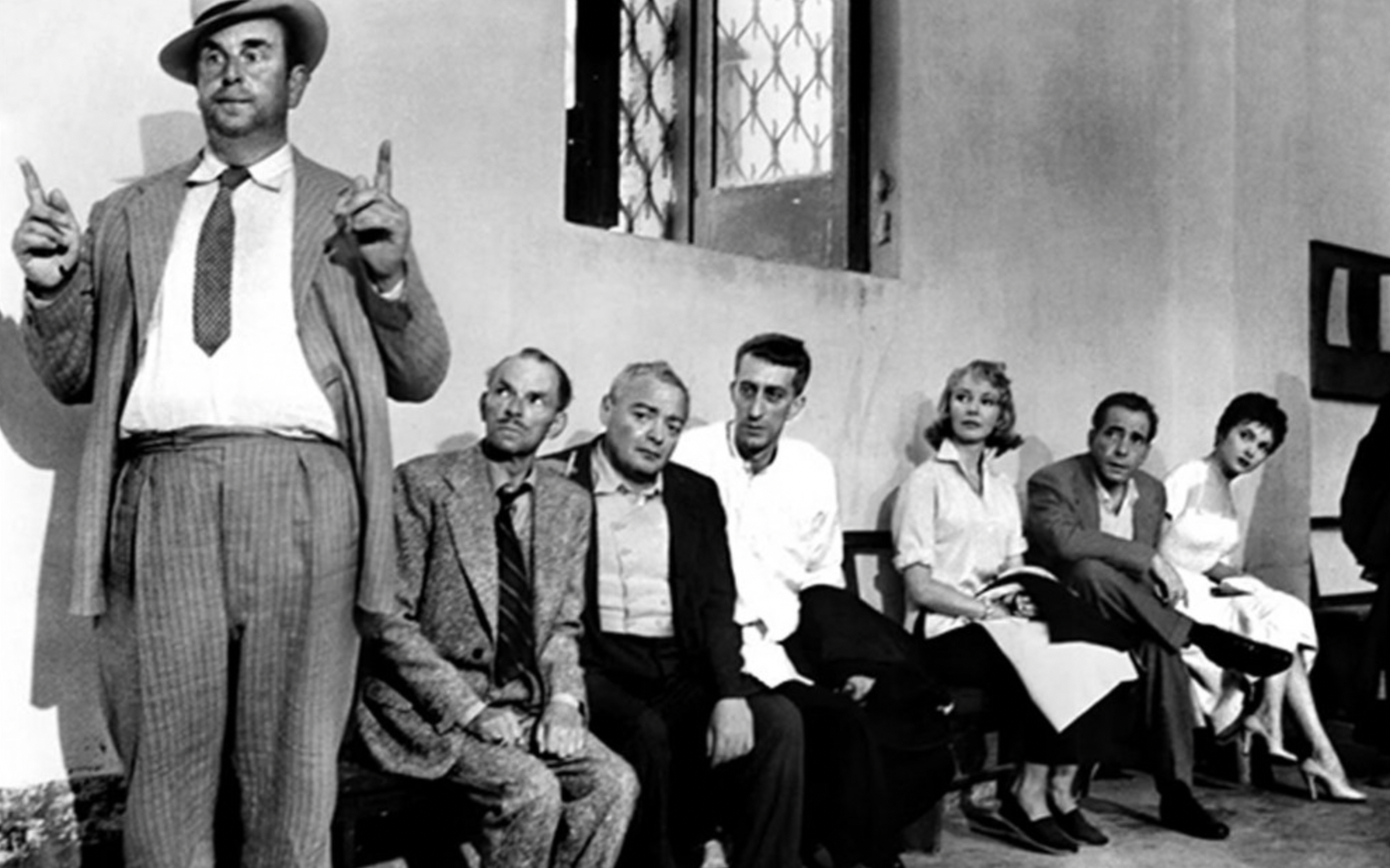
The final collaboration between John Huston and Humphrey Bogart is such an odd duck of a film. They basically made a film designed to reject all standard expectations and conventions. Everything is played straight by the actors, but the tone is practically zany. The plot is both nonsensical and besides the point. This is a purely vibes film; this is the type of film artists make when they are bored doing the same thing over and over again. We are lucky to get to watch things like this.
5. The African Queen [1951]
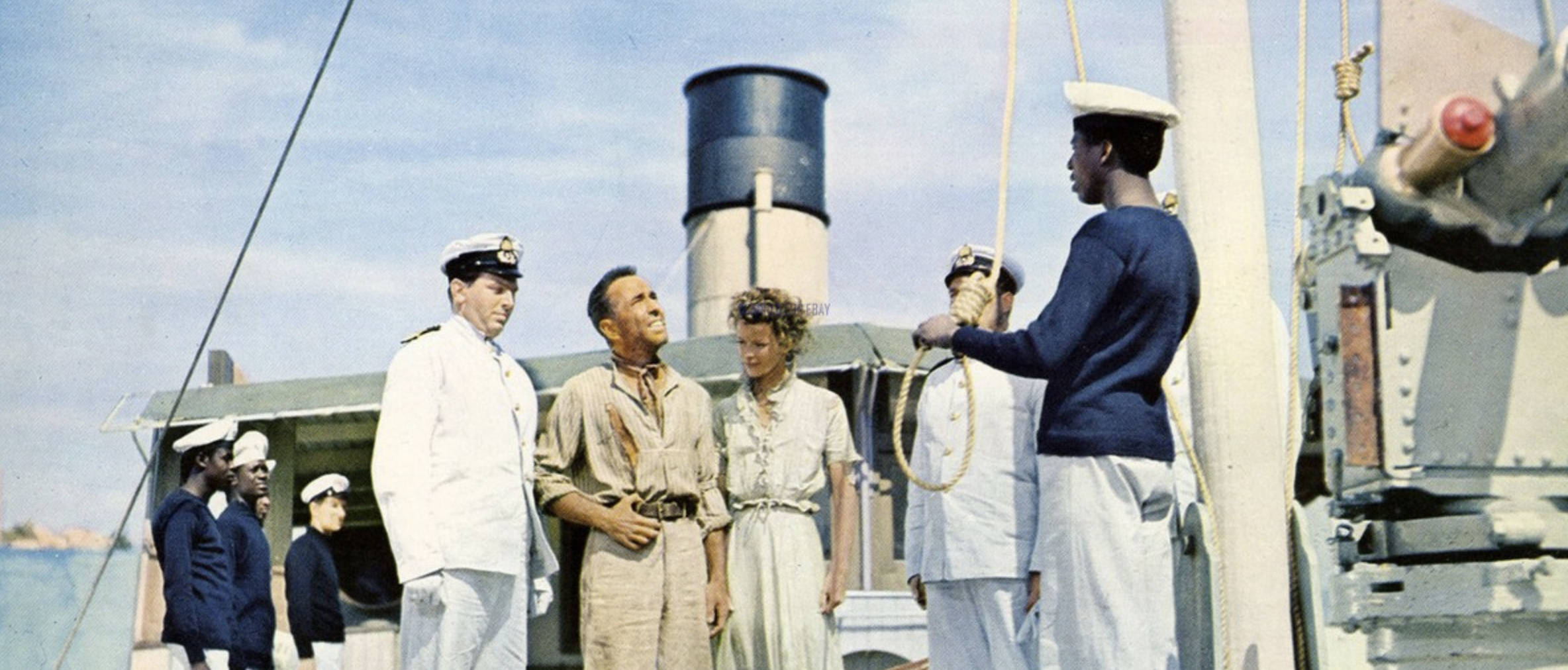
This is a very odd film in some ways even if on paper it makes sense. It’s an outdoor adventure film directed by John Huston. Humphrey Bogart plays a grumpy man slowly coming back to being more human. Kathrine Hepburn plays a stifled, caged bird who gets to expand their wings and become a more complete human. And yet…the film is kind of flaccid too much of the time despite two of the biggest movie stars in the world going down river on a boat for most of the film? I don’t know. This film has never grabbed me much. Maybe it is because of how queasy the missionary scenes are at the beginning.
4. Across the Pacific [1942]*
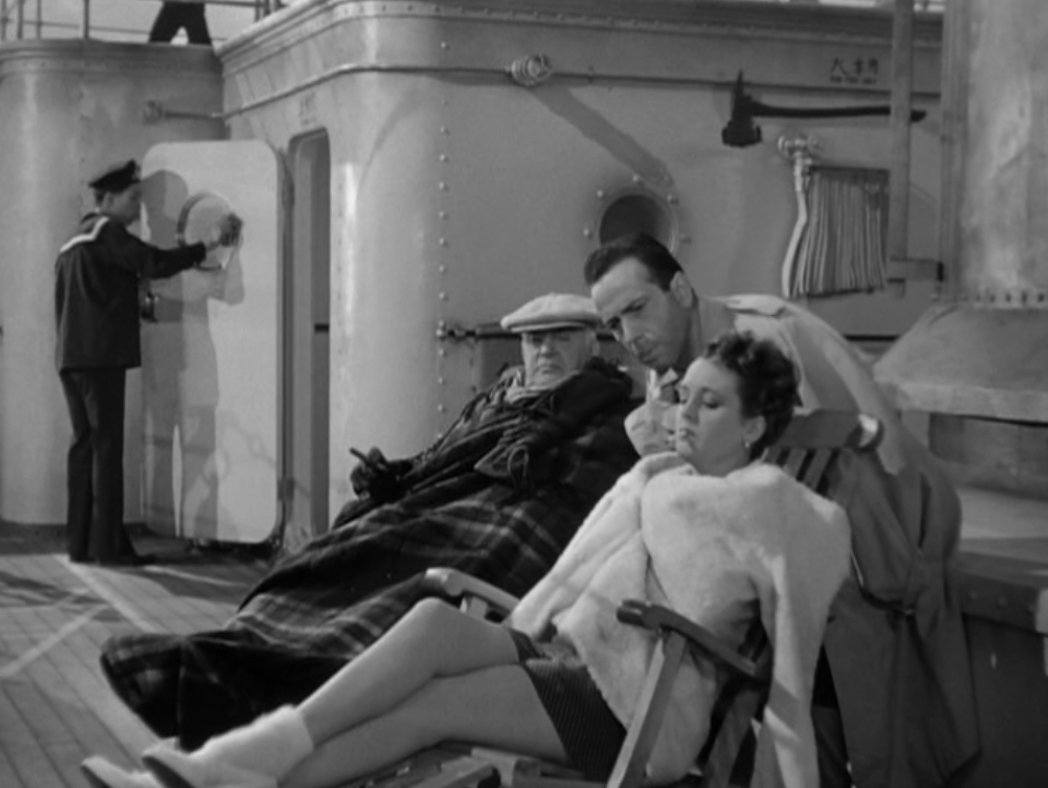
In one of the least-heralded collaborations between the two legends, Huston and Bogart came together (along with Greenstreet and Astor) after The Maltese Falcon to make this fine World War II spy caper. It aims smaller than African Queen but connects with what it is going for. It is a light and breezy film whose onscreen content does not feel nearly as interesting as the backstage note that this was supposed to be about preventing an attack on Pearl Harbor…until Imperial Japan did actually attack Pearl Harbor. So, they did a far less credulous story in its place. To be honest though, this film is not really about that. It is about hanging out with the The Maltese Falcon gang again. Everything else is just scenery.
*John Huston did not finish filming this film due to being called up by the army during World War II.
3. The Maltese Falcon [1941]
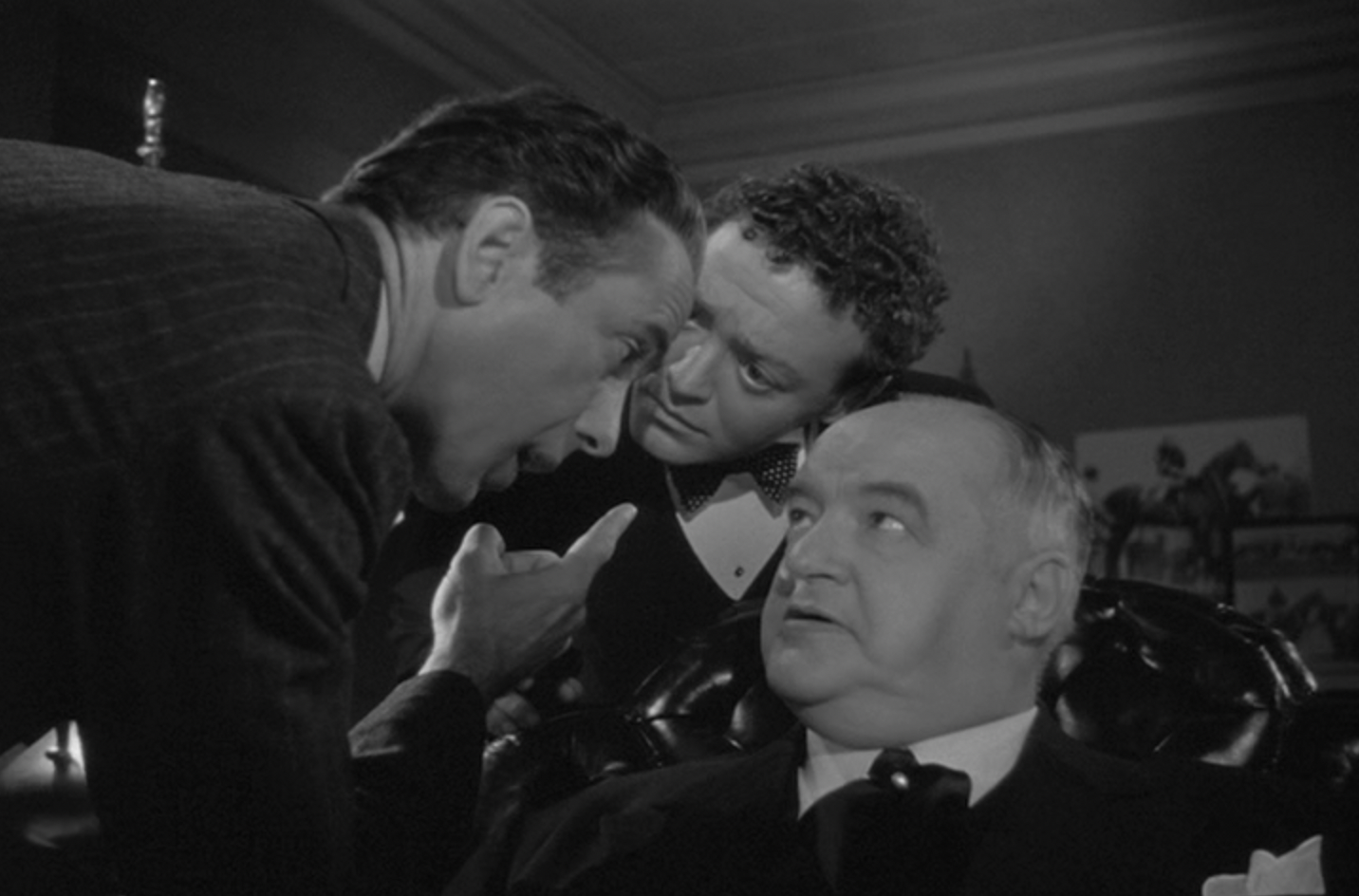
I would say this is the most famous and celebrated collaboration between John Huston and Humphrey Bogart. This was the first film that Huston directed. This was one of the first starring roles for Bogart. It created the classic Bogart image: the hard-boiled detective, smoking, gun-toting, drinking, etc. To me, this has always been the film I think of when I think of “film noir.” The Maltese Falcon is about selfish, self-involved, and greedy people who have been conditioned to believe those are the values that matter most. This not the best movie or performance from the key players – but it is the film I think of most for almost everyone involved. That is especially true for Bogart – everything that came before this feels in retrospect like it was building to this. Everything that came after this feels like it is playing off of this. A masterful work.
2. Key Largo [1948]
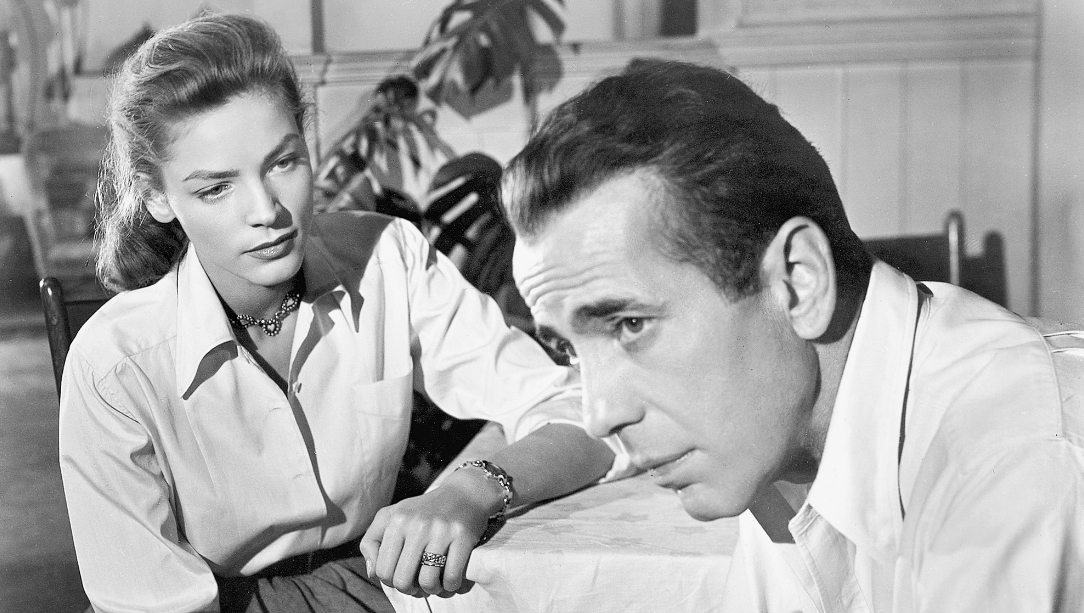
Key Largo was a great vehicle for John Huston and Humphrey Bogart to work together. Frank McCloud is a character that Bogart could play in his sleep. He is a World War II veteran. He is comforting the widow and father of a soldier who used to report to him. He is more emotionally aware than he wants to let on, but he still holds most of it in. He stands up to the gangster, but he is not willing to sacrifice himself for others to stop this gangster. He thinks choosing sides is for suckers. He quite literally says, “I fight nobody’s battles but my own.” It’s so close to Rick, but that is the point.
But a literal storm is coming. Edward G. Robinson is the gangster who just wants more, more, more. Bogart just cares about self-preservation. What is the point of trying to make a bunch of fucking money? What is the point of only trying to take care of yourself? Both of these worldviews are worthless in a world that will eventually just wipe them out. The only chance there is is selflessness. Bogart eventually makes the inevitable decision stick out his neck for people instead of no one.
It is an interesting film in other ways. It’s mostly a one-set film, and Huston always amps up the claustrophobia. It is a rare film based on a play that feels truly cinematic and not just an acting showcase.
There are non-red-face Seminole Indian characters in the film. They are mere objects in the story of course – but this is a story about what it is like to live in the United States. The indigenous people exist as scapegoats. They are bystanders as the ruling class of capitalists and the protectors of capital run wild. It is a condescending portrayal, but it is an honest capturing of how white people see them. Dehumanized objects.
Lauren Bacall and Lionel Barrymore are of course excellent in it. They just feel less significant compared to what else is going on in the film.
1. The Treasure of Sierra Madre [1948]
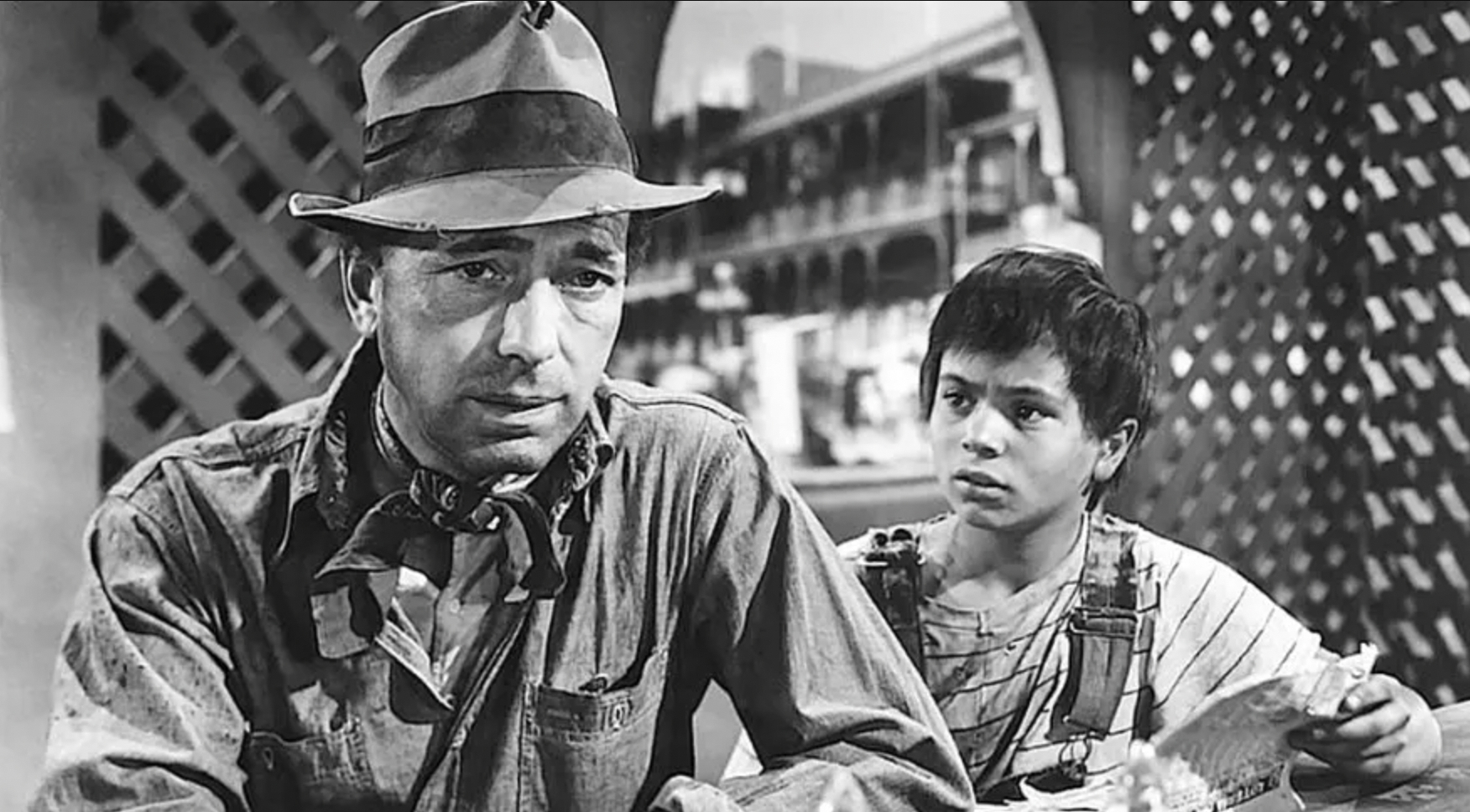
This film tackles some of the most important ideas that art can explore: money. greed, capitalism, colonialism. It is about how something in the human condition makes us easy prey. It is about quickly people can be socialized into valuing individualism over communal thinking. The film is about how all of these things will lead to our own destruction as individuals and as a people if we do not fix our hearts. The film is just also a rip-roaring good time. Everything came together here to make such an essential film about the United States of America and humanity. I love this more and more every time I see it.

