Still Need to Watch: Angels of Sin, Diary of a Country Priest, A Gentle Woman
Bresson has been an incredibly rewarding artist to explore. He tackles some of the themes that speak to me the most in art. I hope all of his films are added to Criterion soon.
10. Mouchette [1987]
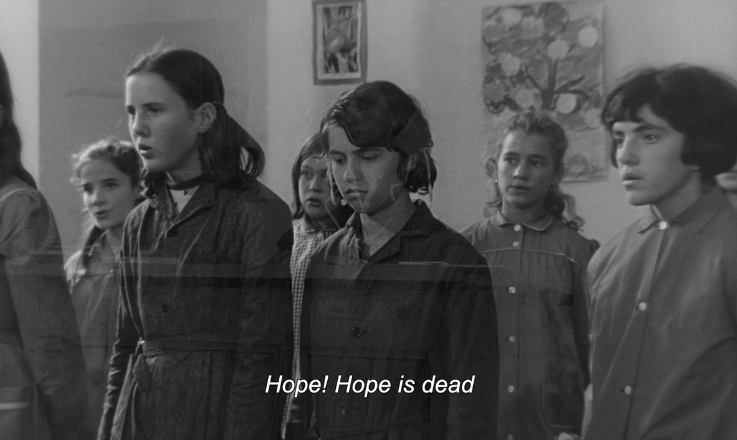 Mouchette is a devastating story about how easily we just do not give a fuck about young people and the things adults do to them. Everything the film has to say about that life dynamic felt true to the world and on point. While the film thematically was great, I did not really aesthetically connect to the film. As someone who really enjoyed exploring Bresson’s work, I was disappointed. I was then even more surprised to learn that this is one of his most celebrated works. I will have to watch it again at some point.
9. Au hasard Balthazar [1966]
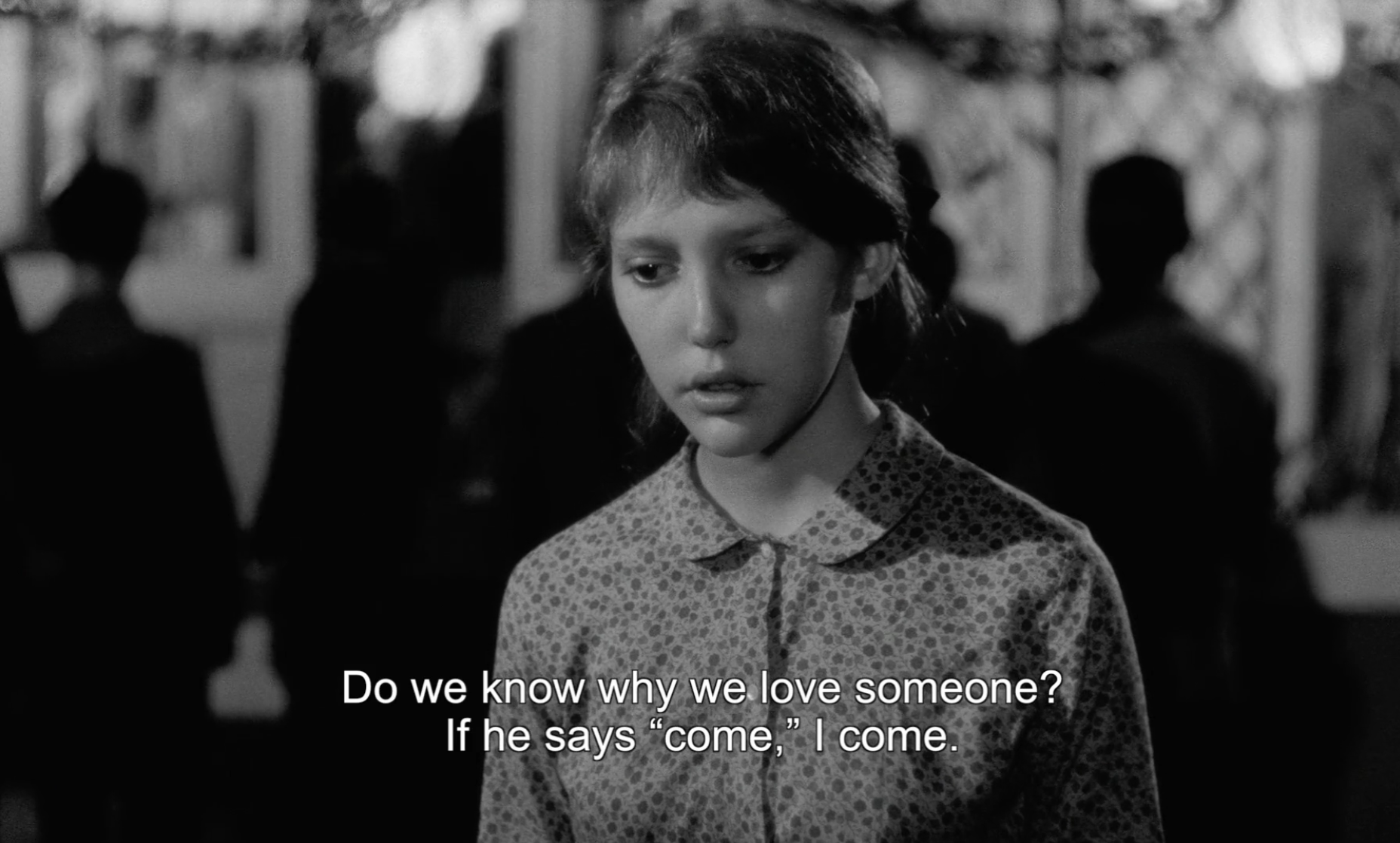
Balthazar explores a familiar (if not constant) theme of Bresson’s work: the arrogance of youth. Jacques thinks he deserves Marie simply because he wants her; he struggles to comprehend her own agency. Gerard feels he’s untouchable and can continue to break laws and the trust of others over and over as if there could be no consequences. Marie is drawn to Gerard until she ends up stuck in an abusive cycle she cannot escape.
Bresson tells this story and explores this theme by following a donkey that passes along to each of the characters. The film asks sincerely: But what of the donkey?
What of the people who are cursed to be in our way as figure out who we are? The film is effective but also a little trite in comparison to some of his other work.
8. The Trial of Joan of Arc [1962]
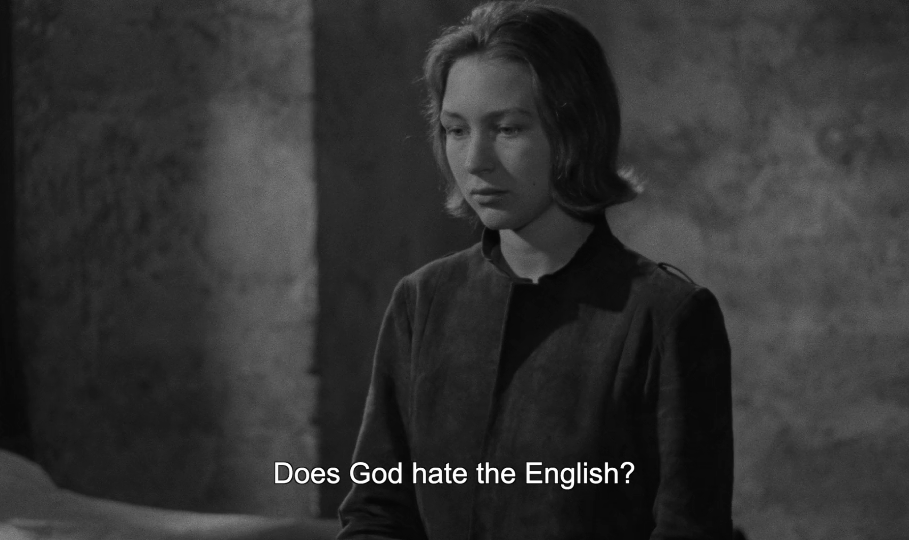 Bresson’s Joan of Arc film is certainly fascinating. It explores one of the the greatest conflicts in modern human history: religion vs. faith. Joan of Arc is painted as a character with supreme faith in God – that is a threat to the institutions of religion who serve power instead of God. Bresson wisely got in and got out with this film being under 70 minutes. Its brevity merely contributed to the tone; there is an absurdity to the church’s actions here and the tight timeframe enhances that feeling.
7. Lancelot du Lac [1974]
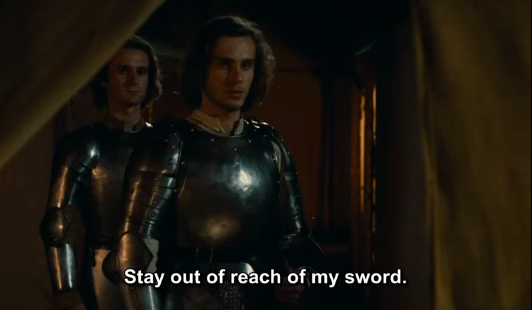
Bresson doing an Arthurian legend is a great concept, and it makes me wish every great filmmaker made their own Arthur film. It was interesting to see Bresson concepts in the context of an Arthur film. Lancelot is rather disenchanted with the life he is living in this world that is starting to make less and less sense. He begins acting in a self-destructive manner, and then it blows up in his (and everyone else’s) face. Bresson’s understated style made for a great match for medieval violence, as the suddenness and banality of the bloodshed was really striking. Good movie.
6. Four Nights of a Dreamer [1971]
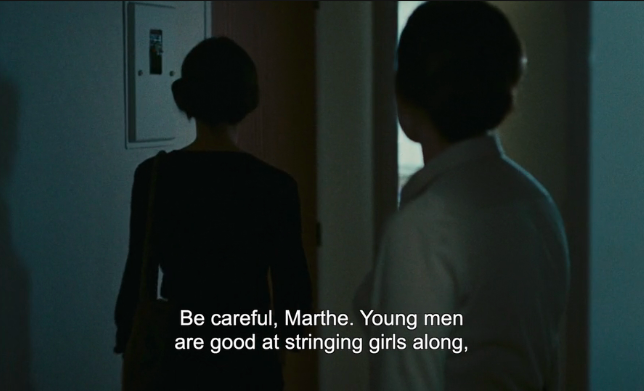
Oh to be young, fresh out school, a complete mess, and making self-destructive decisions. I would not go back to that age for all the money in the fucking world. You’re just a mess. You’re like a moth to a flame to things that are bad for you. This film is not the first or the best to capture this dynamic. But it is very accurate.
5. A Man Escaped [1956]
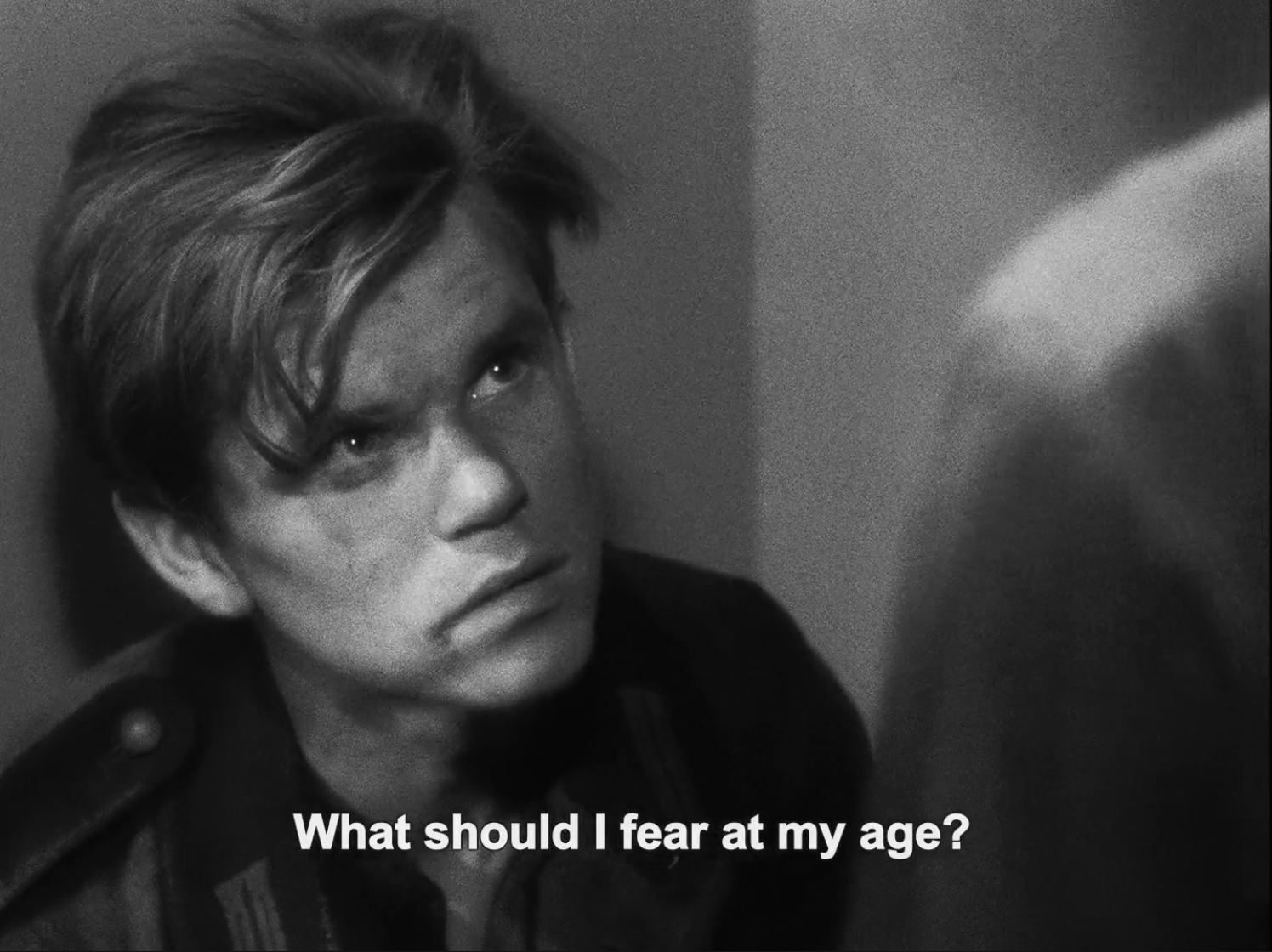
A Man Escaped appears to be one of Bresson’s most celebrated films, and it is a fascinating “war” film with a fresh angle of being portrayed with the lens of the arrogance of youth. A young French resistance fighter is imprisoned and immediately starts formulating plans on how to escape? How much control of your fate do you really have? He is eventually a cellmates with a young French Nazi collaborator. Why do we think we are so untouchable in our youth? Why do we think we can avoid consequences?
4. Les Dames du Bois de Boulogne [1945]
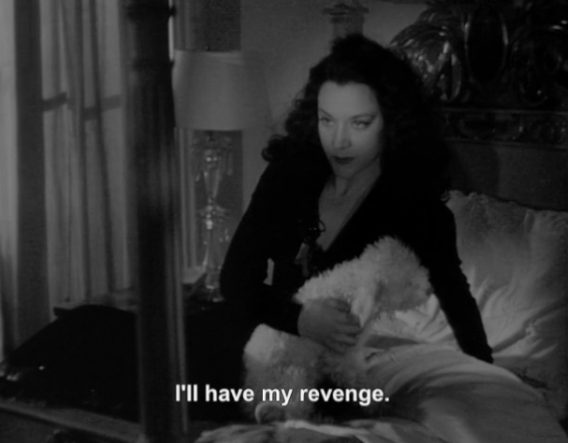
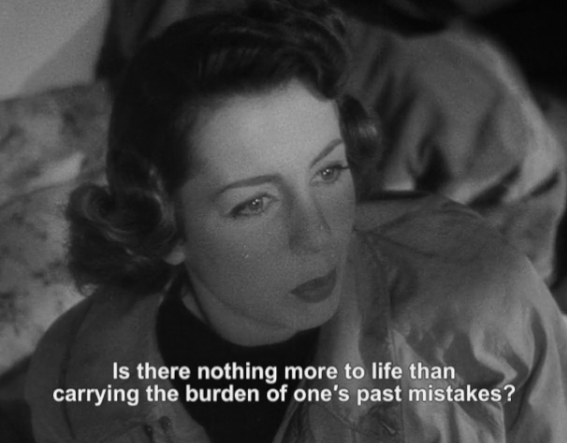
The things we do to to each other when we are hurt, in pain, and embarrassed. We will absolutely run over anyone in our path chasing the temporary feeling of satisfaction in lieu of long-term healing and dignity. Bresson’s first film feels aesthetically so different to what he would afterwards, but he was already thematically so self-assured.
3. Pickpocket [1959]
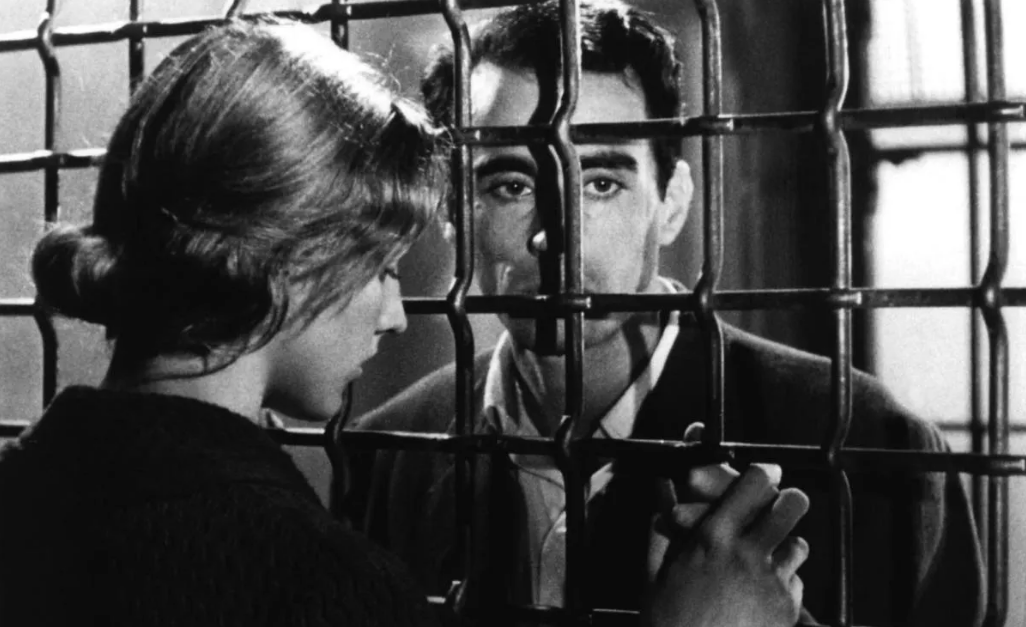
As a Paul Schrader fan, it took an embarrassingly long time for me to go back and watch Pickpocket (or Bresson in general). It is not had to understand what spoke to Schrader or people in general about this film. The disenchanted young man is a classic archetype for a reason. It is not that just many people can relate to this characterization, but disenchanted young men impact so many lives – often for worse in micro or macro ways. What Bresson (and later Schrader) so often explored was trying to understand why these men are the way they are.
It is not hard to comprehend why the world can lead a person astray. Michel is trying to make sense of the world. He feels he is unable to fit in with society. He starts to make the irrational and anti-social decision to become a professional pickpocket. It is a job with only two outcomes: prison or death. His inability to find a connection to the world, and the world’s inability to foster an inviting environment come together to simultaneously prevent him from achieving any level of peace while there is still a chance. As a result, Michel has no taste of of peace until he has already forfeited his life. A great film.
2. The Devil, Probably [1977]
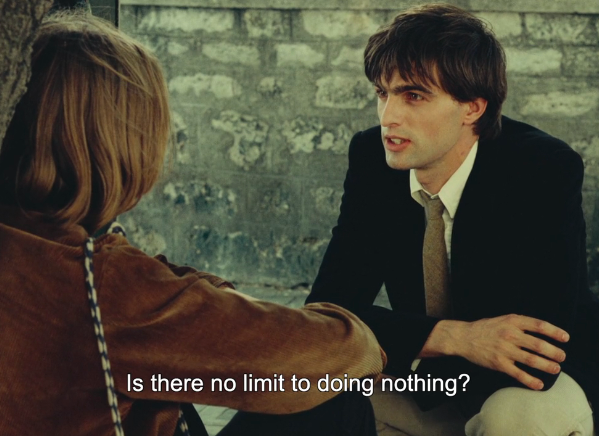
“But doctor, I am not ill. My illness is seeing too clearly.”
Pickpocket and The Devil Probably might have been the ideal two films to start my exploration of Bresson. Bresson clearly had an incredible ability to explore the disaffected young male archetype. What I found so interesting here was how environmental destruction played such a large role in the protagonist’s internal difficulties. Charles was a very bright, and he understood something is deeply wrong with the conditions of the world. Being young he has trouble articulating it let alone doing anything about it, but there is clear understanding on his part that the planet and the people who run it (into the ground) are deeply sick. And he has made the tragically rational conclusion that there is nothing to be done. He is desperate to find meaning in his actions, but he cannot and decides that the only thing to do is kill himself. It is hard to believe this film came out in 1977. That somehow only makes me feel more hopeless about what is in store for humanity.
1. L’Argent [1983]
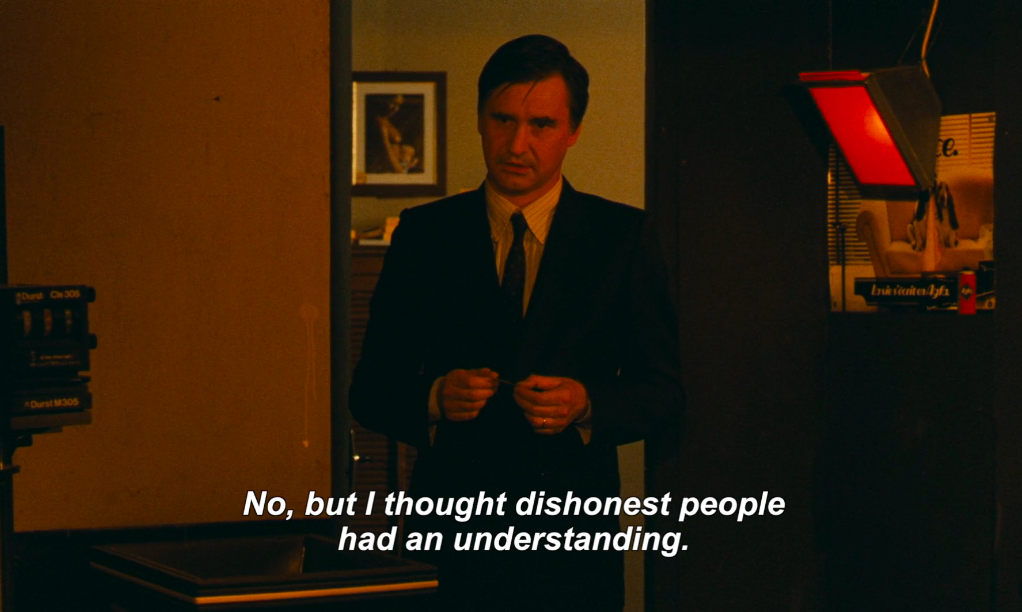
“I’ll be a good guy when I’m rich”
Bresson’s final film was a thematically rich film that follows a piece of phony cash to explore how this arbitrary marker of value destroys so many lives. We live in a capitalist world that promotes false scarcity which leads to greed and desperation. That leads to violence. Capitalism is pitting us against each other, making fools of us, and destroying us all. This final film connects everything that he made before it.

