Lena Dunham is incredibly annoying and a bad a person for multiple reasons. Many such cases. Fans of art have long had to pretend we do not care about the various transgressions of artists. We should care for sure. I think we can also engage in the art that they made along the way and keep the context of who they are in mind to see if it helps to illuminate what is going on with their art.
6. Season 5: F*R*I*E*N*D*S
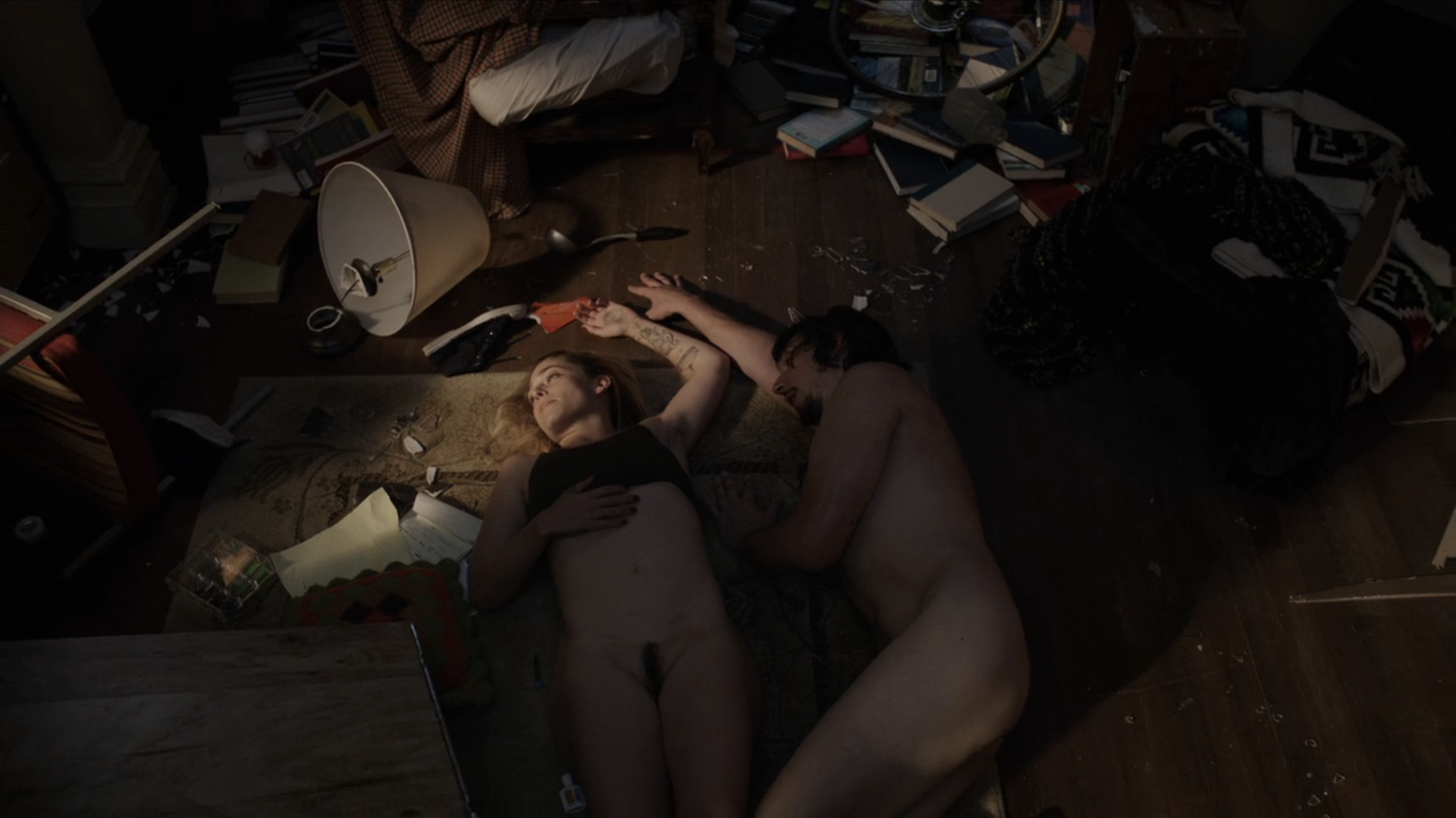
If season 4 became the time the show got addicted to plot, season 5 saw the show become straight-up Millennial Friends at times. The show wanted to keep all the characters still on the show at the same time that it was becoming preoccupied with turning the show into a key party. Adam is with Jessa, Hannah blows Ray, blah blah blah blah. The show always had moments even at its low points, and Dunham’s desire to do more purely self-contained episodes was interesting. The show just no longer felt profound in the way it managed to be in the first three seasons. It felt like it was still airing episodes for the sake of airing episodes.
5. Season 4: Speed-Run
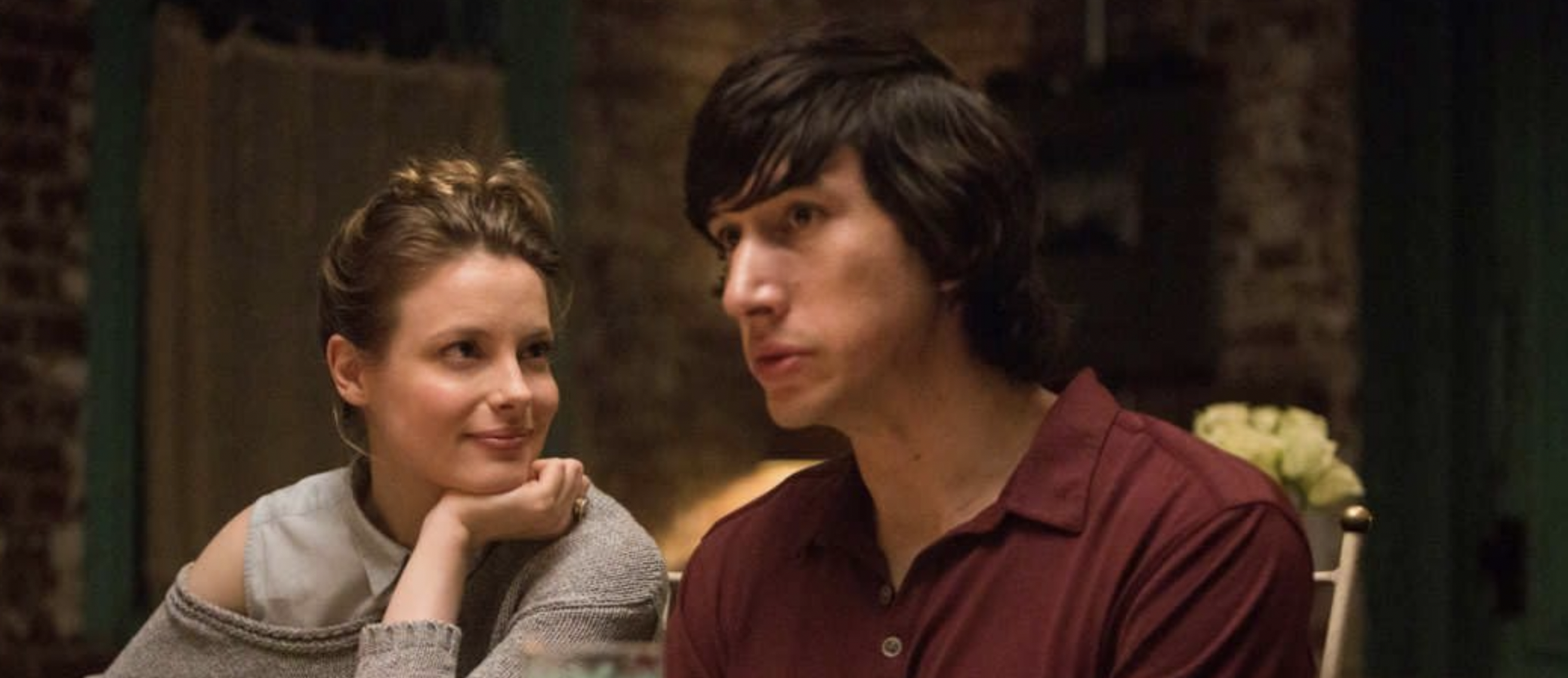
Season 3 ended with a series of plot explosions that really felt like a fresh pivot for the show. It is the type of thing a patiently paced show can do that can feel dumb on a show that is always plot-plot-plot all the time. Season 4 then leaned way too far into the plot explosions with the show speed-running an insane amount of storylines with each additional wrinkle feeling progressively cheaper and cheaper. Hannah went from starting Iowa grad school, to quitting Iowa grad school, to an Adam breakup, to becoming a substitute teacher, to dealing with her newly-gay dad, etc etc. It was just too much. But the show never deviated from the show’s core ethos: being in your mid twenties is a mess because you do not know how to self-involved without being selfish. That ethos always kept things afloat.
4. Season 6: “This Life Came So Close To Never Happening”
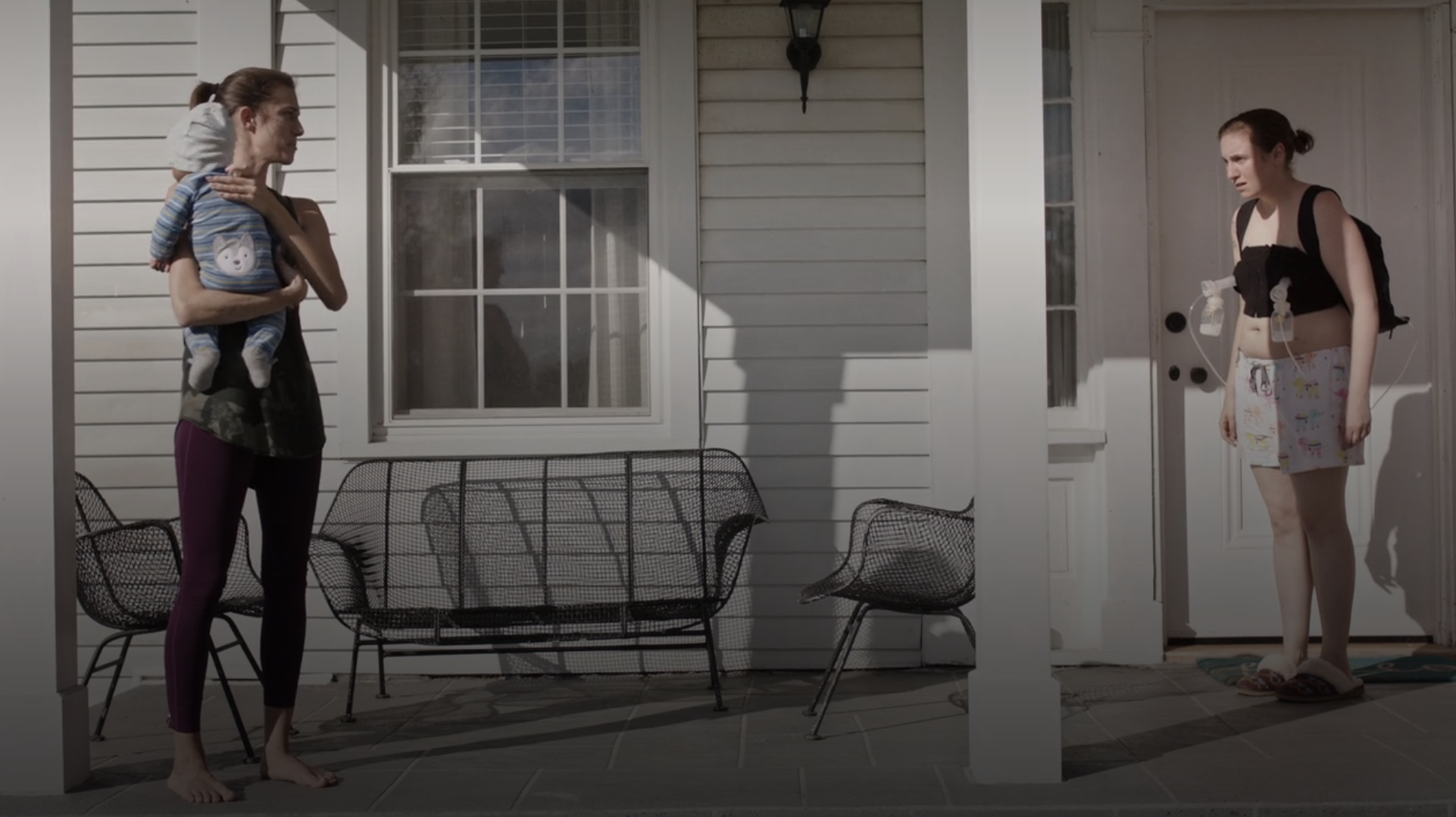
In the only season of the show to air after the election of Donald Trump (the first time), I was curious to see if (like so many other shows), Dunham would shift the show in any way to reflect that. At first, this final season was threatening to go full Protest Novel (derogatory). While it was beyond impressive that Dunham made a (good) #MeToo episode like six months before #MeToo really took off, that was not really what Girls was about.
But instead of going full Protest Novel, Dunham made season 6 a very reflective season about what it feels like for the frontal lobe to come closer to fully developing and getting closer to realizing who you actually are as a person. Part of that process comes with shedding the skin of who you were trying to be for so long. That skin-shedding can leads to lots of loss and mourning. Shedding relationships, friendships, jobs, homes, etc. It is probably the most painful part of finally and fully growing up. It is the realization that any fantasies you were clinging onto to just get through life are not real and need to be forgotten. Those moments made this season the best of the second half of the show.
3. Season 2: Republican Childish Gambino
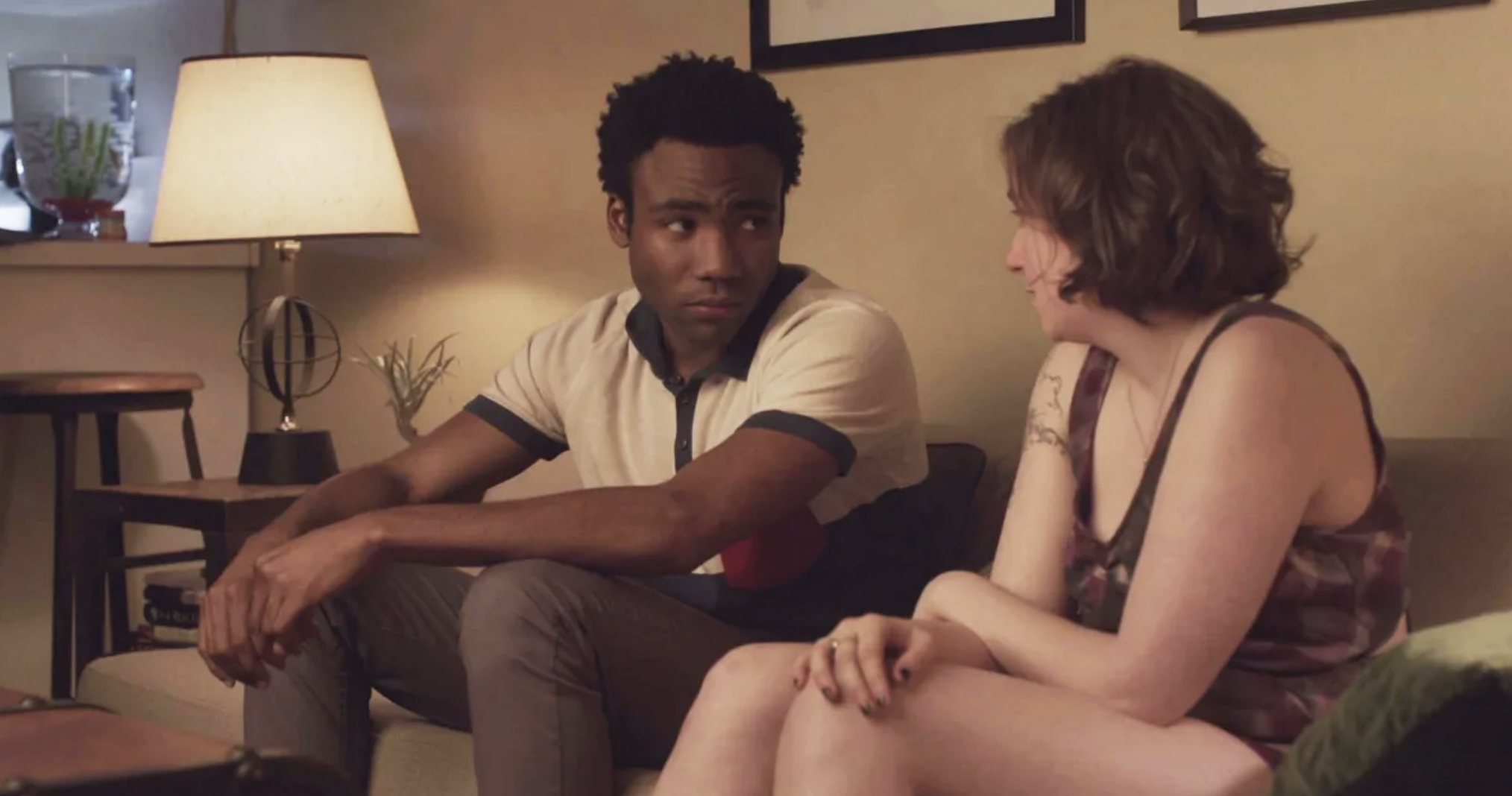
Girls received some flak for being a very white girl show and in 2013 that required some kind of response (and for some reason in 2025 it is still being discussed! Fuck!). Lena Dunham brought on Donald Glover as her situationship and then broke up with his character because he was a Republican. At the time, between this seeming fucking annoying and more Dunham stuff making her fucking annoying in real life, I actually gave up on the show and did not revisit it for over a decade. With time and age comes wisdom, and booking Donald Glover as a republican whom the lead star/showrunner fucks as a response to diversity concerns is frankly hilarious. Unfortunately, you’ve got to hand it to her.
Beyond that, this season was an effective continuation of all the main characters in the show self-destructing at various speeds. An interesting dynamic that the show explores effectively here is how the Boys become better when they “lose” the Girls in their lives. Adam Driver is mildly growing up and briefly gets a real grown-up girlfriend. Charlie becomes a financially successful tech startup douche. Ray attempts to be ambitious at the first sign of losing Shoshanna. Whom amongst us.
2. Season 1: Zoo Animals
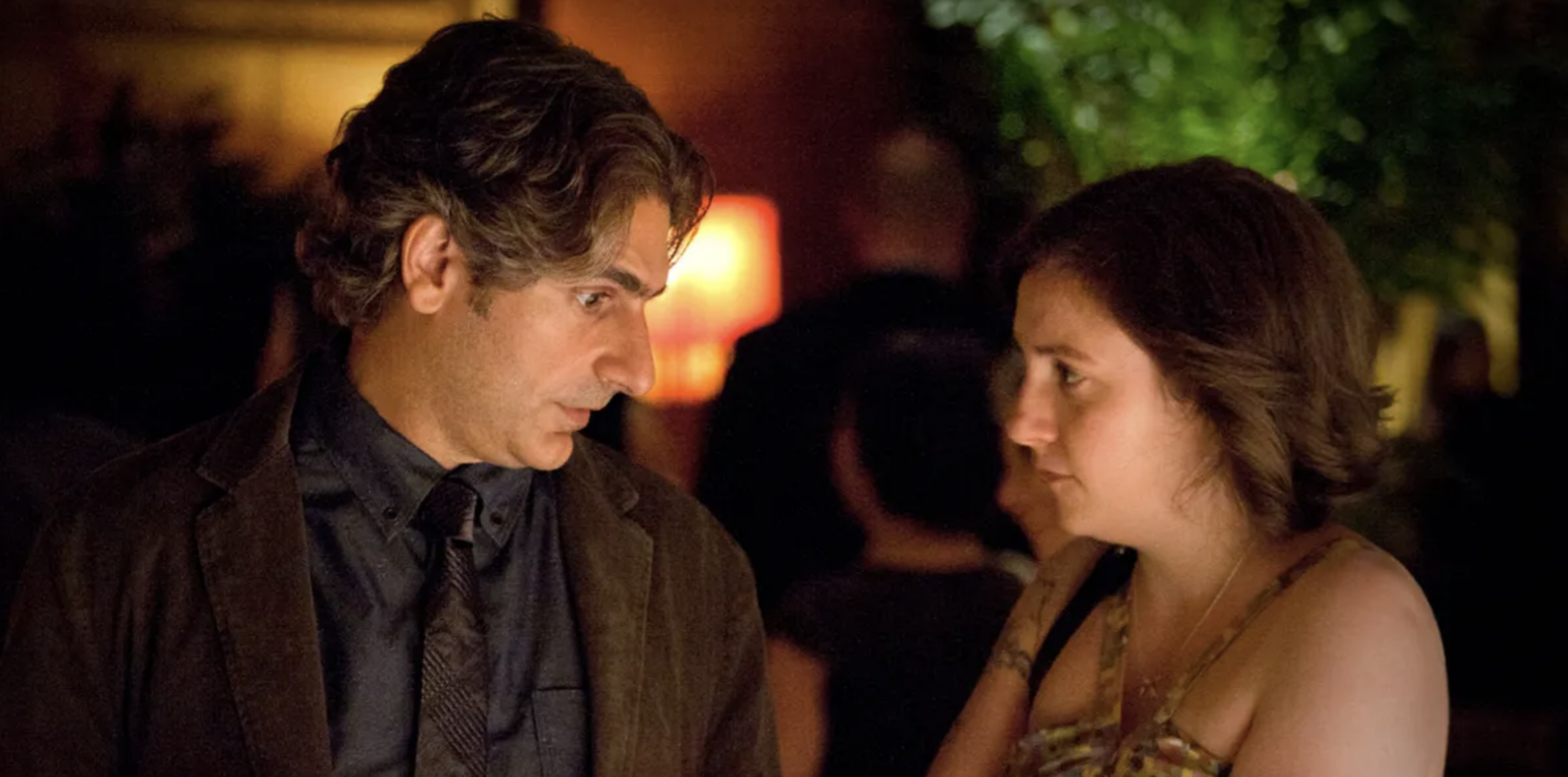
At 23 years old, I was a year out of college and had just moved back into my parents’ house. My now ex-girlfriend had told me how much she thought of Girls, and I decided to give it a whirl. And it absolutely broke me. Almost a dozen years later, I am finally watching it again. While there were moments that made me reflect on being an idiot person in their twenties for sure, I now have enough distance from this period of my life to no longer feel wrecked by any of this. Instead, I can just appreciate the craft and writing and accept that Lena Dunham absolutely managed to capture something incredibly truthful about the white privileged twenties experience in NYC. I am so glad I can no longer relate to these characters. I am so glad to now feel like they behind a glass plate, and I can just walk on by.
1. Season 3: Mean Girls
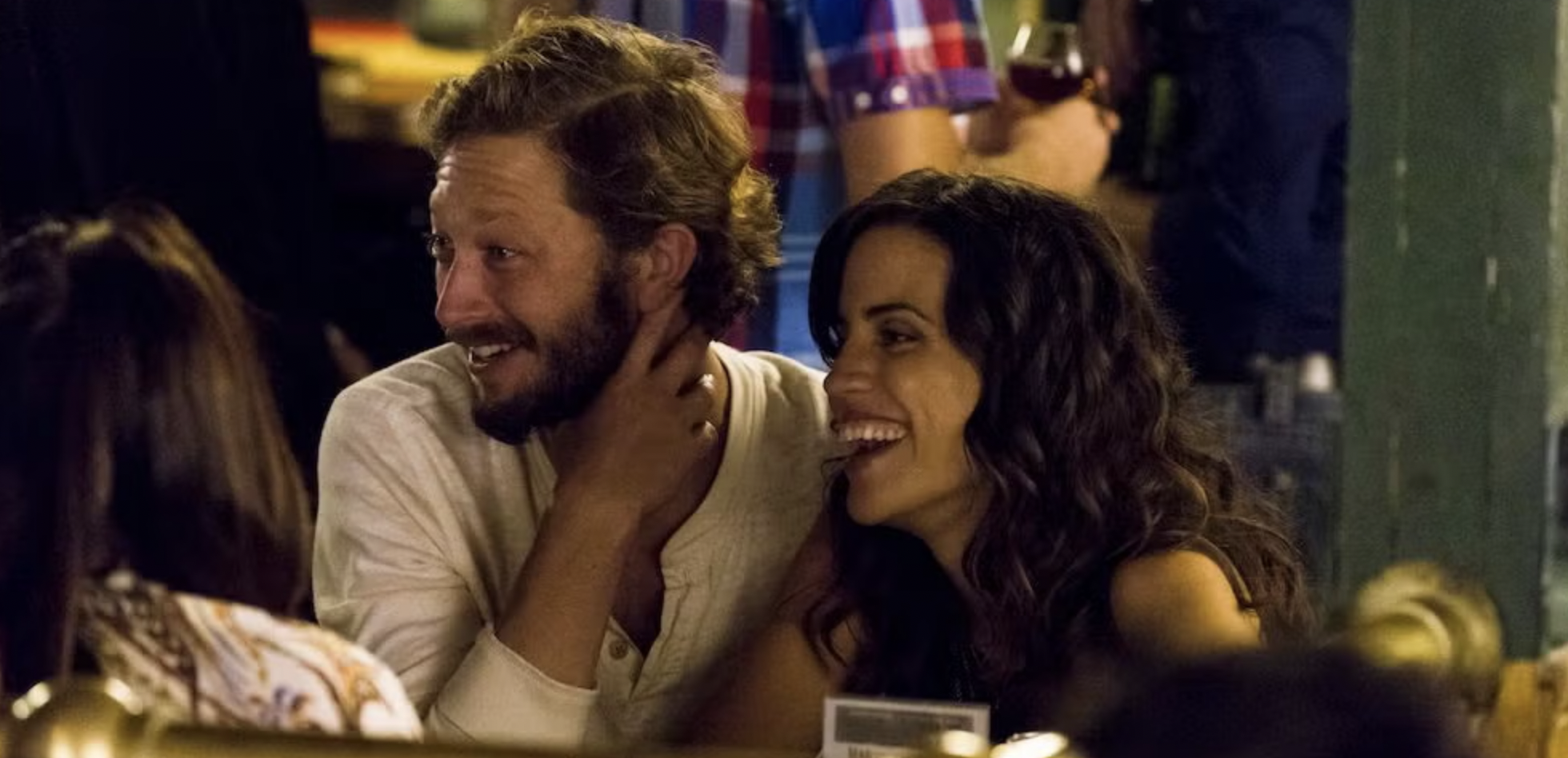
If season 2 felt like Dunham a little too preoccupied with being in conversation with the discourse surrounding the show (even if Republican Childish Gambino was very beast), season 3 felt like a more organic continuation of what the show set out to be initially. Specifically, this is a show about women reckoning (or not reckoning as the case may be) with their brains in the final stage of fully developing and all the mess that comes with that. Hannah and Marnie in particular are getting more selfish than ever and are just downright unpleasant as a result to be around. Dunham had been given dramatic back-and-forth swings of fortune for both characters (and all the characters, really) personally and professionally. Normally, that gives me the hives in a show, but that up-and-down feeling feels so true to this period of time in one’s life. This was just a great season of television.

