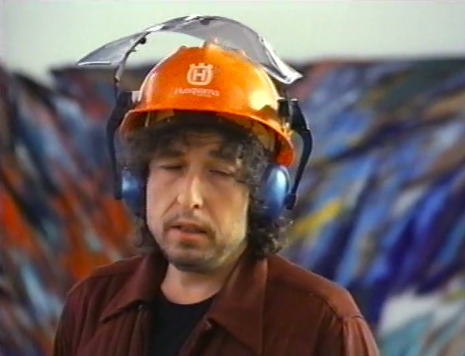
It was very late in life that I learned that Dennis Hopper was an interesting filmmaker. I cannot explain exactly why it took so long for me to learn this; I can only guess it’s because all of his films after Easy Rider did not really receive the mainstream recognition and success that his debut did. If you are a fool like I was and ignored his post-Riders work, you owe it to yourself to check a lot of them out. They kick ass.
7. Chasers [1994]
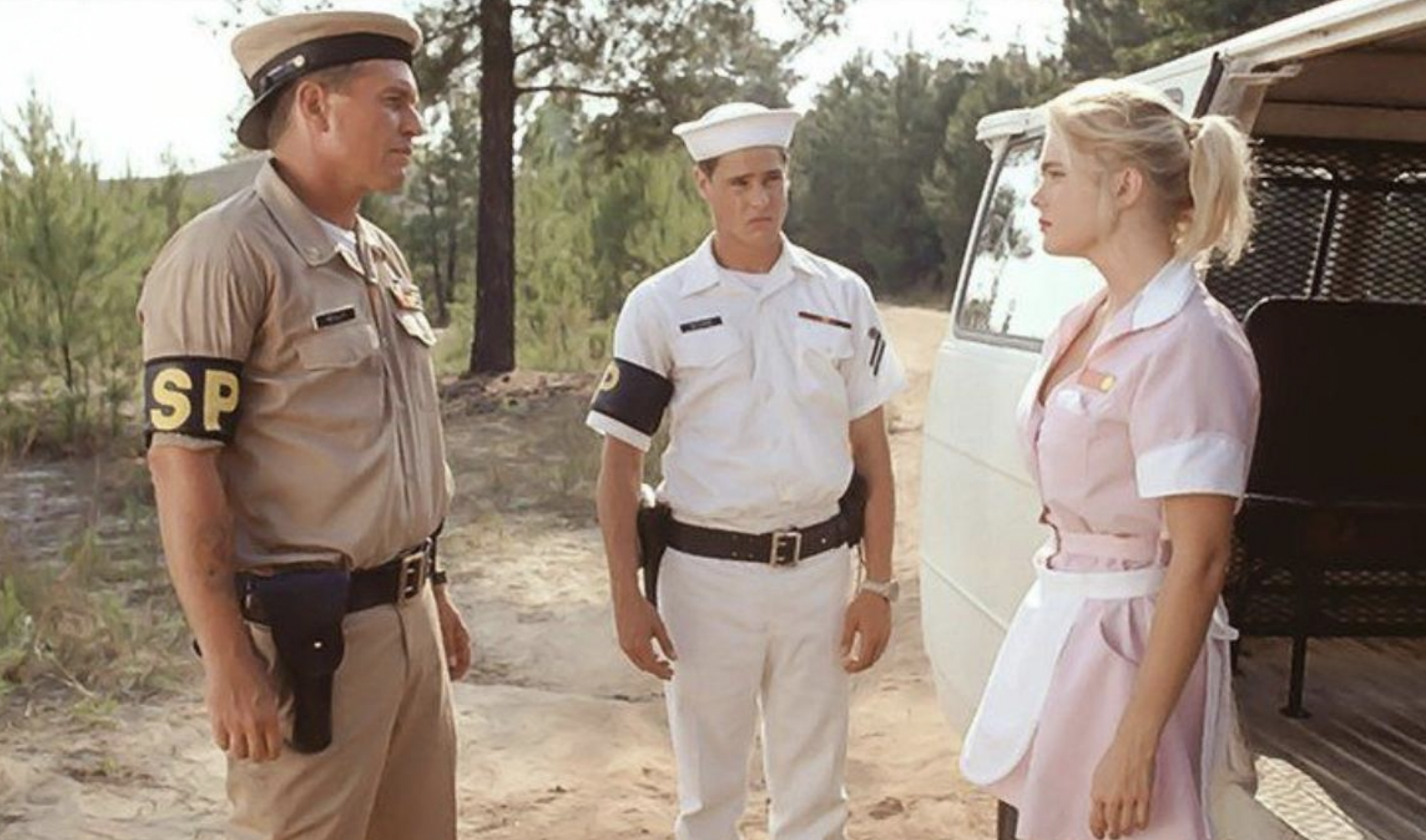
This was Dennis Hopper’s final directorial effort. Let’s just say a movie directed by Hopper about navy men called Chasers is intriguing on paper, and the film turned out to be anything but. This film is something I never thought I would say about a Hopper film: it’s boring and feels like it could have been made by a replacement level director. I do not say things like this often: but you can skip this one completely.
6. The Hot Spot [1990]

This is a NASTY film. It is just so deeply unpleasant in a by-design way that I can intellectually appreciate. This is a film that feels like a classic noir much in the way a De Palma thriller feels like a Hitchcock thriller. This is a noir that sees the noirs of old as being too sanitized and dishonest. This film is about the seedy underbelly of humanity as they chase money, and as they are guided by their absolute worst instincts. The film is an accomplishment if not pleasurable to watch.
5. Colors [1988]
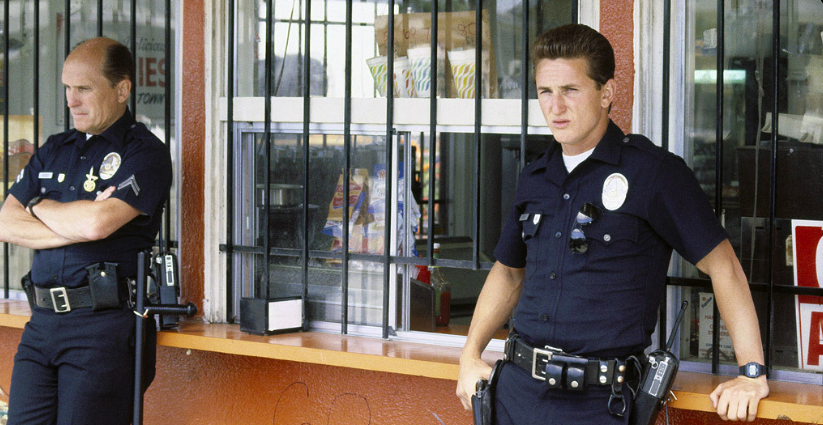
Nearly a decade later, Dennis Hopper released his fourth film after his unparalleled stretch of three films to start off his directing career. This film can most generously be described as the further disillusionment of the white hippie boomers from the 60s and 70s.
Hopper decided to tackle the crisis of Los Angeles street gangs. The good of the film is that it shows how not only a police response to this situation is useless, it actually causes further destruction and disenchantment to the community. The film attempts to humanize the young men who have fallen victim to the seduction of gang affiliation, but ultimately Hopper exoticizes those characters too much and ends up treating them like zoo animals.
A film cannot be expected to be all things, nor are films tools for “solving” social issues. But this film ultimately feels like a distorted and condescending outsider’s examination of a problem whose root causes are at the foundation of this country’s rotten core. This film may not have an obligation to examine that, but the film does nothing else interesting either. It is at best a cynical film about the fact that the boomer hippies have given up and no longer believe a better world is possible. It may just be too ugly of a film to care about that though.
4. Backtrack [1990]
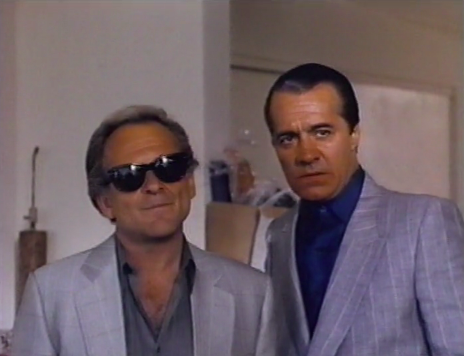
Backtrack is one of those infamous films that a director disowned due to a studio cutting it down to a pale imitation of itself. Hopper got to release his own cut non-theatrically years later (this obviously makes him a right-wing nut). And thank goodness his full vision was eventually realized, because this movie is bonkers.
Jodie Foster accidentally witnesses gangster Joe Pesci murder someone. Pesci sends John Turturro and Paulie Walnuts to kill her – but it fails and they accidentally kill Charlie Sheen. Dennis Hopper then jumps in front of the camera to hunt down Foster.
Hopper then has a completely disturbing obsession with Foster as a result of stalking her across the country to kill her. He then “saves” her because he “loves” her. He has latched onto the idea of her so much, but he has no idea who she actually is as a person. He rapes her and then tries to guilt Foster by claiming he “gave up everything” to “be with” her. After an extended traumatic experience, Foster succumbs to Hopper’s power and seemingly reciprocates the feelings of her rapist. This film leverages classic genres and tropes to explore the extremely fucked up relationships that can develop in this world. This is a nasty and fascinating film.
3. Easy Rider [1969]
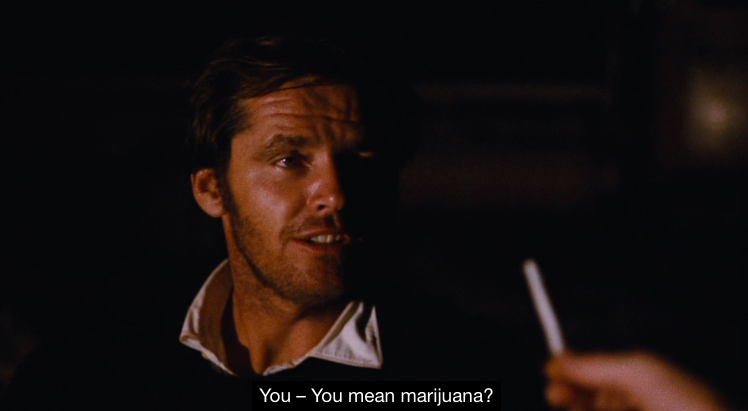
I am not sure if there is a better artifact that captures the boomer “hippie” movement of the moment and in retrospect. This movie was a fucking phenomenon, and it is impossible to know that and not see the people’s embrace of this film as something of finding its ideas pleasurable.
There is an escapism to this film. For what was probably the first time en masse among the whites of this country, there was a feeling of something being very wrong with how this county was set up. And this movie was a total rejection of the establishment. Whether it was recognized or not though, it was a directionless rejection. It was a rejection that made clear that the generation who were not buying into the current system were not going to lead us to anything better. And they did not.
The status quo’s reactionary movement vs. the anti-establishment rejection of the status quo was one of the most fruitless battles possible for society in terms of material change. Hopper and Fonda accurately captured that concept here. Hopper would go on to add to that idea in his next films.
2. Out of the Blue [1980]
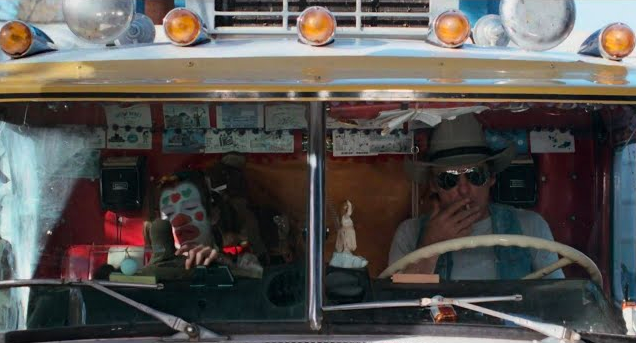
“She forgets how young she is, and she wants to grow up so fast.”
Dennis Hopper’s first three films are as interesting as a debut trio of films as any American director ever. Seeing this film in that context is crucial for unlocking its significance. Easy Rider took us on the inside of how ultimately useless the anti-establishment movement was. The Last Movie confirmed that nothing better was going to be built as a result of the anti-establishment movement. And with Out of the Blue, Hopper showed the very real consequences of the failures of the anti-establishment culture.
The film follows a young girl named Cebe. After the traumatic opening scene in which she is a witness to her father unintentionally (but drunkenly) killing a bunch of kids in a car crash, we next hear Cebe before we see her again. She is on a truck radio. She is rambling incoherently. The camera pans to her finally. She is wearing pajamas but has a leather jacket on top. She is all alone in this semi-truck, talking with adult men over the radio. But now she is curled up with a stuffed animal and is sucking her thumb. We cut to her hitching on the highway by herself, flipping and cursing off people who don’t pick her up. Everything this film is about is summed up in these opening scenes. The anti-establishment movement failed in every way and what came next for America was possibly worse – the children abandoned and left to suffer the consequences of the decisions of the previous generation. The film follows Cebe around as she haphazardly try to navigate a broken world with no tools to protect herself in the wake of the destruction the previous generation left behind.
Hopper’s rise as an anti-establishment figure and fall into a reactionary blowhard can be neatly summed up in his first three films. That’s cinema.
1. The Last Movie [1971]
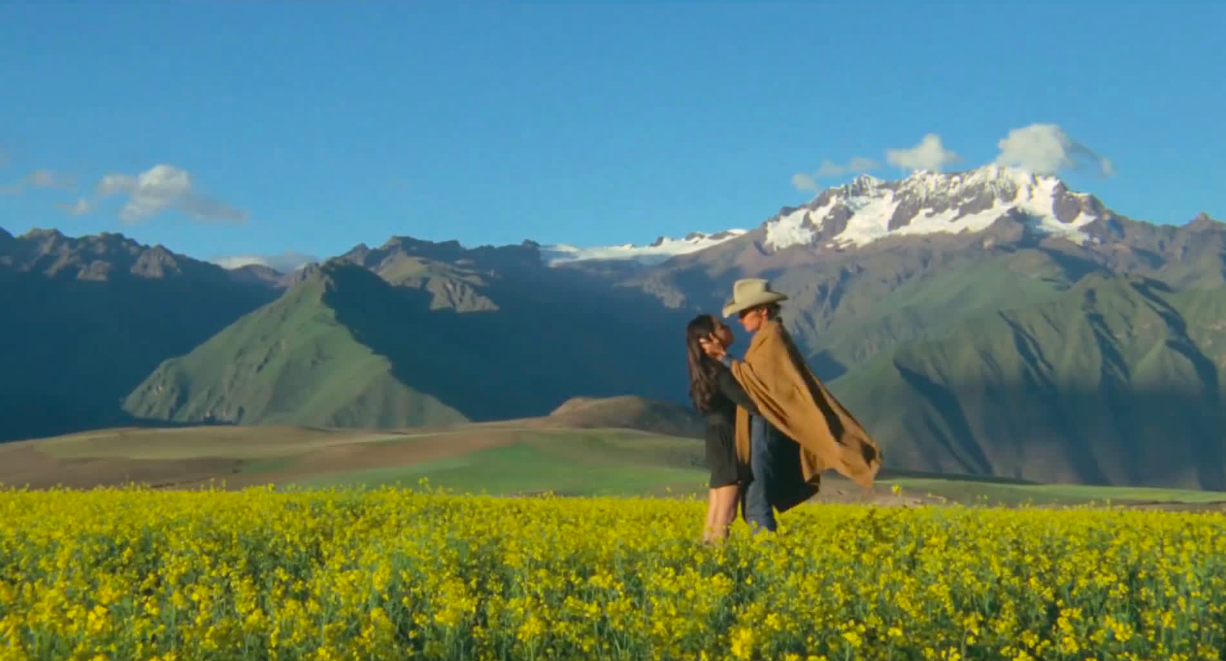
There are so few movies that exist that make such a profound impact on you. But The Last Movie was one of them. They simply do not make movies like this anymore. A movie from a mad genius artist with so much to say and so many ideas on how to say, all of them critical of the establishment and institutions of American, including Hollywood themselves. For me, it most importantly serves as an anthesis to Easy Rider.
Dennis Hopper plays a counter-culture, free spirit protagonist but who has been stripped of any sort of romanticism. The hood has been opened, and there is nothing inside but hollow and corrupted parts. There is no vision or ideas of a better way of living. There is simply ego and arrogance and ignorance steamrolling everyone and everything in his path. The film is a beautiful meditation on America’s place in the world, and while the film is wise enough to know it does not have many answers – the questions the film forces you confront leave little as to how you should feel about The West.

