Still Need to Watch: Children of Fate: Life and Death in a Sicilian Family
I had a chance to see Michael Roemer live in 2025, but I could not pull it off and then he died a short while later. That’s gonna be a lifelong regret. What a beautiful filmmaker that deserved to be far more prolific than he ended up being.
5. The Plot Against Harry [1969]
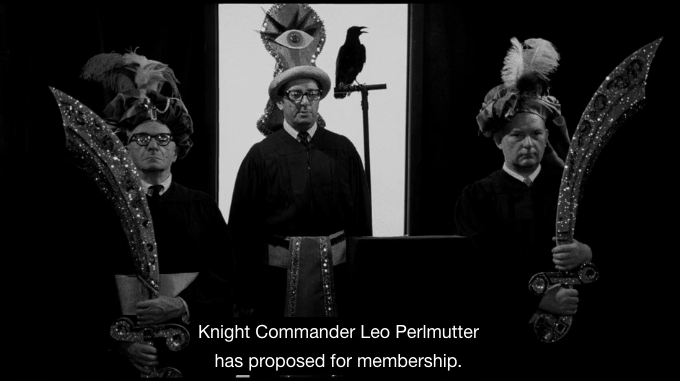 The persistent theme in Michael Roemer’s filmography is the quest for dignity. In this film, that quest belongs to the titular Harry. He is a Jewish, low-level gangster just recently released from prison. He is trying to reintegrate into society, but it goes incredibly poorly in just about every way imaginable. He has been trained his whole life to be selfish and self-involved, and that’s all he knows how to do. It all builds to this sequence of events where he really has no choice but to accept that the only way to move forward in life is to act like an actual human being in a community. Money, crime – life is not about these things. Being in community with your people is where dignity lies. I like this film quite a bit.
4. Dying [1976]
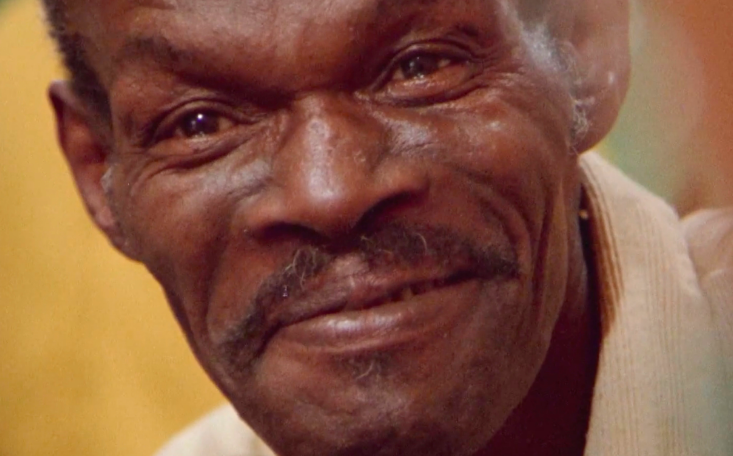
Four years before Pilgrim, Farewell, Roemer released a documentary where he followed around real people who were dying of terminal cancer. It was as beautiful, haunting, and empathetic as you would expect. The first subject was particularly painful because she was relatively young but cancer had shriveled her all up that you would think she was elderly and yet it was her actual elderly mother who had to take care of her. The second subject had a wife who openly told the doctor to stop dragging out her husband’s ultimate demise because she will eventually become too old to find a second husband. The third and final subject was much different. This man was a middle-aged preacher, and he seemed much more at peace than the others. I hope when I go, I am afforded the opportunity to be at this much peace no matter how tragic it may be.
3. Pilgrim, Farewell [1980]
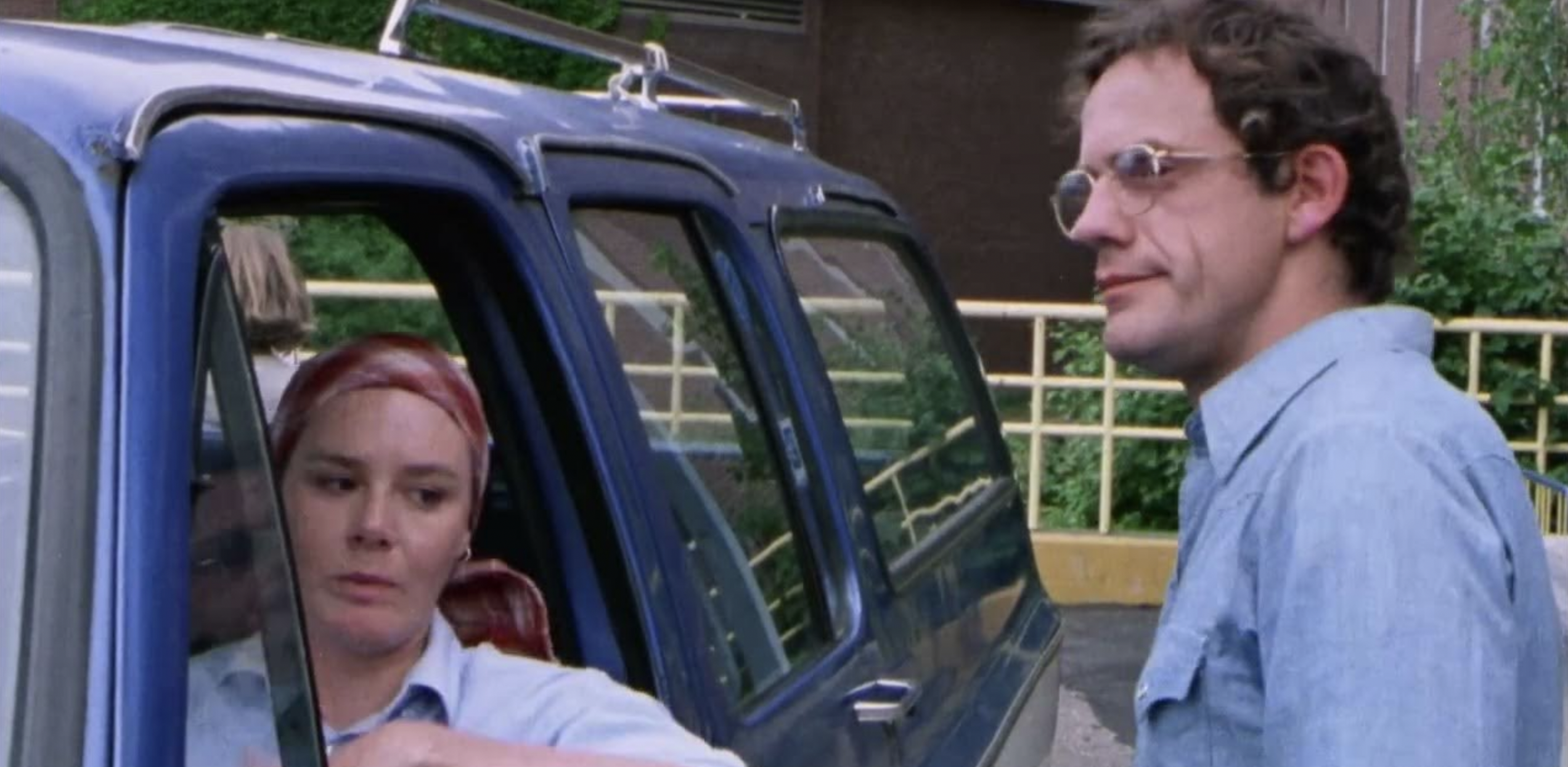
I had never seen a Michael Roemer film before this one and oh boy. His long lost film is a devastating exploration of someone existing with terminal cancer. It is a maddening existence for the person and the people in their life. We are so bad and unprepared for death emotionally and practically as a society. This feels even more potent right now; it’s almost like the film has been fermenting to hit harder in the current climate.
There seems to be a collective denial of death that feels more present than ever in society. People truly do not want to die and louder and louder voices are deluding themselves into thinking that it might be possible. With infrastructure, medical care, social security, wealth inequality, etc. reaching depths society has not seen in many generations, this film seemingly captures the torturous end we are all bound for in one form or another. Driving ourselves and our loved ones up a wall due to not be able to die with dignity.
2. Vengeance is Mine [1984]
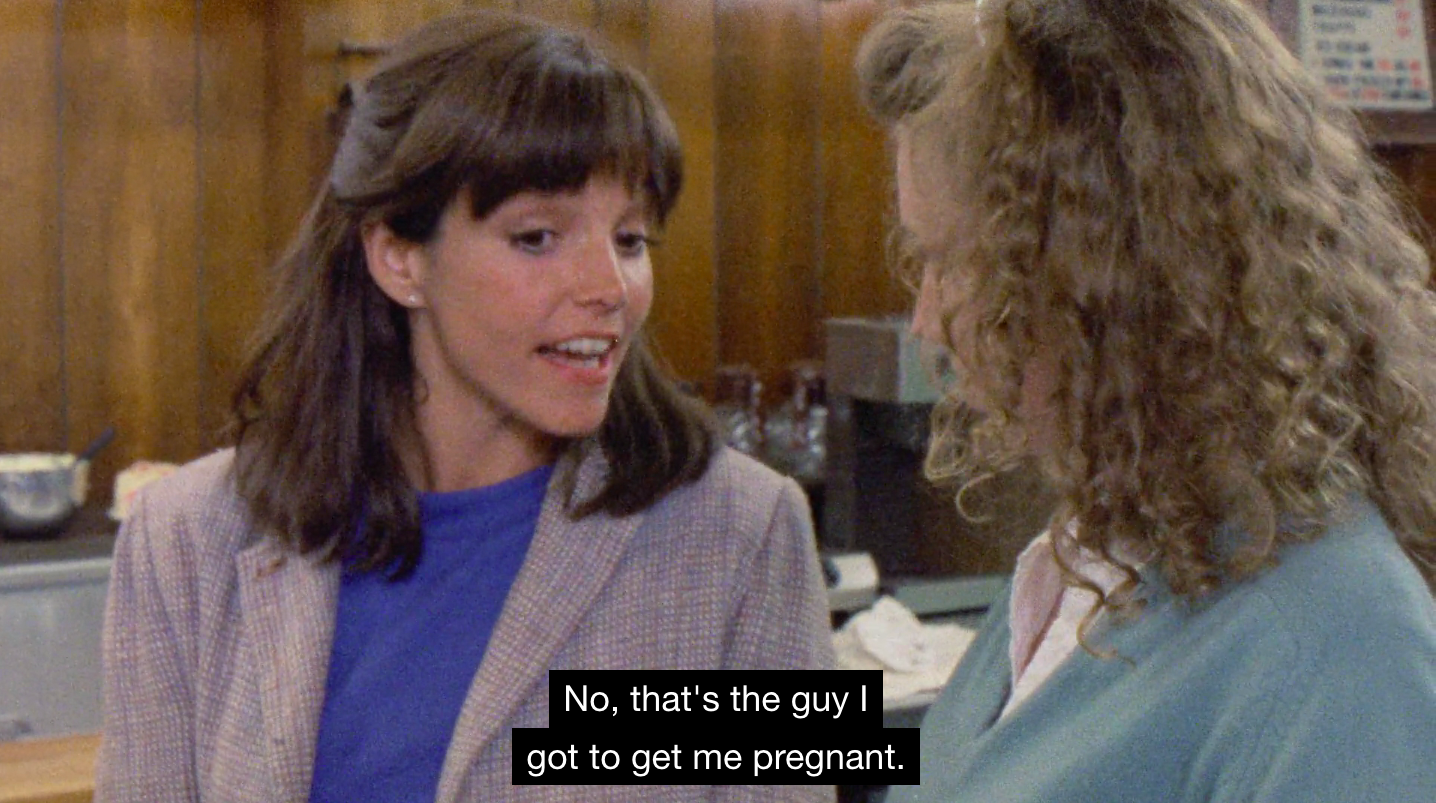
“I’m drunk. I wouldn’t be here if I wasn’t.”
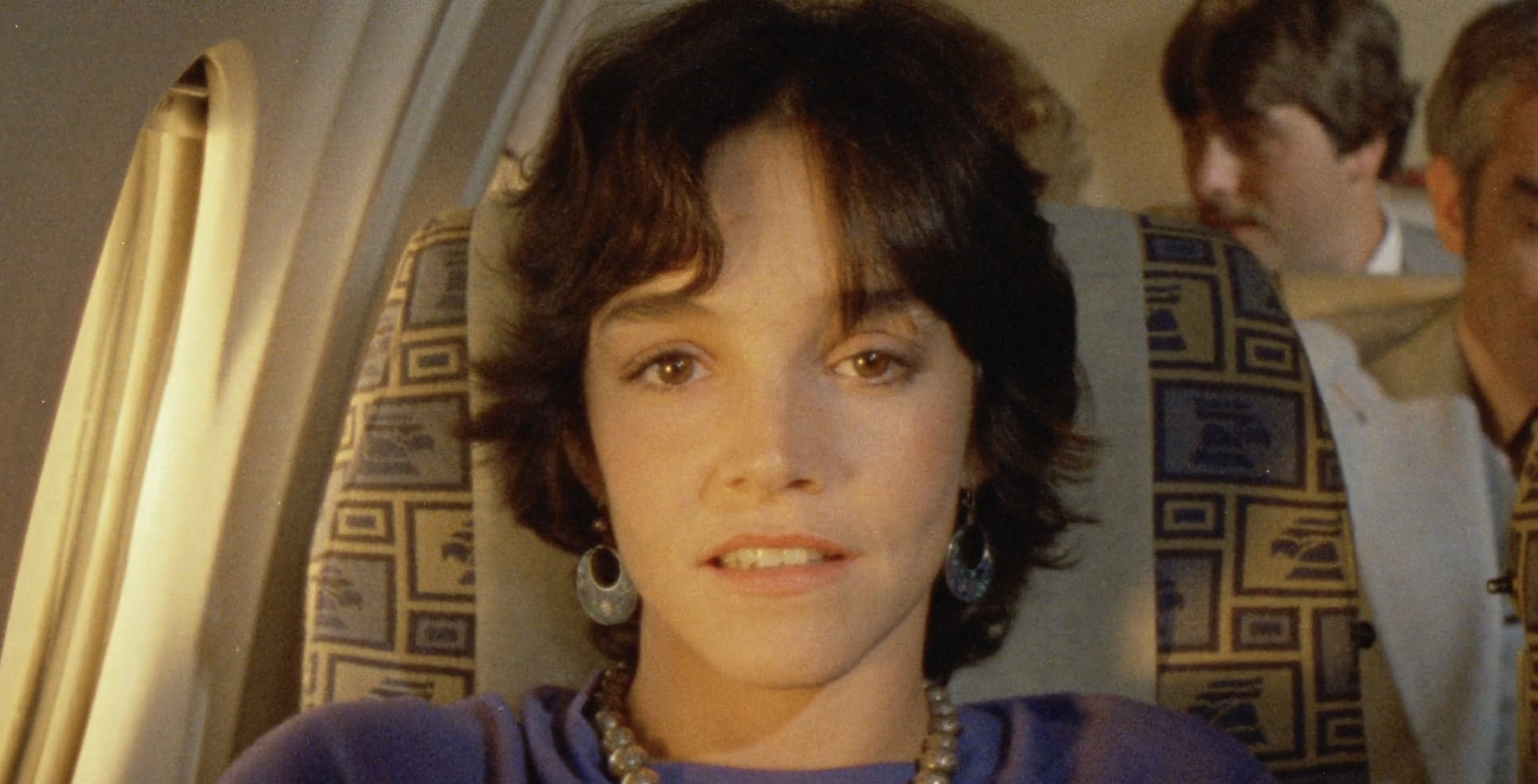
Brooke Adams is returning home for a visit with her very ill adopted mother. Roemer was always fascinated by the idea of searching for dignity in an undignified world. There is so much indignity to returning to a home that you needed to escape and leave behind for whatever reason. The film starts with Adams on a flight full of dread, and there’s no real sunshine in her expression until the very end of the film when she is on the flight home. The two hours between those moments are filled with Adams doing her best to navigate a world she had clearly hoped she had left fully behind. Her time at home is mostly spent confronting trauma and reacting by making spur of the moment choices that are not for the best for anyone involved. It is a painful yet empathetic exploration of this frustration that so many have to experience.
1. Nothing But a Man [1964]
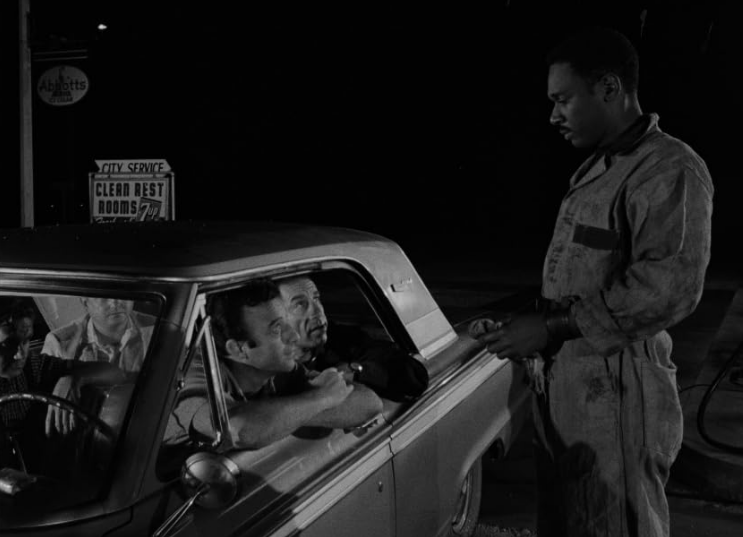
“It just seems to me us colored folks do a whole lot of church going – it’s the white folks that need it real bad.”
It is said that this was Malcolm X’s favorite film, and you understand why. This is a breathtaking film that feels impossible that it was released in 1964.
My introduction to Michael Roemer was through his films about people searching for dignity in the face of certain death from illness. It is therefore not surprising that he was drawn to this story about a young Black man search for a path towards dignity in Jim Crow South.
Duff witnesses people trying to accept segregation, losing themselves in the church, and embracing wage slavery. He cannot live with himself if he follows any of those paths. How can he feel like a man? He tries to do light workplace organization, and he immediately learns how fragile solidarity is. He tries to build a family, but how can you build a family without financial dignity? This country destroyed his father’s soul, and he is desperate to find his own path. This film is simultaneously beautiful, tragic, and a celluloid miracle.
 The Reel World