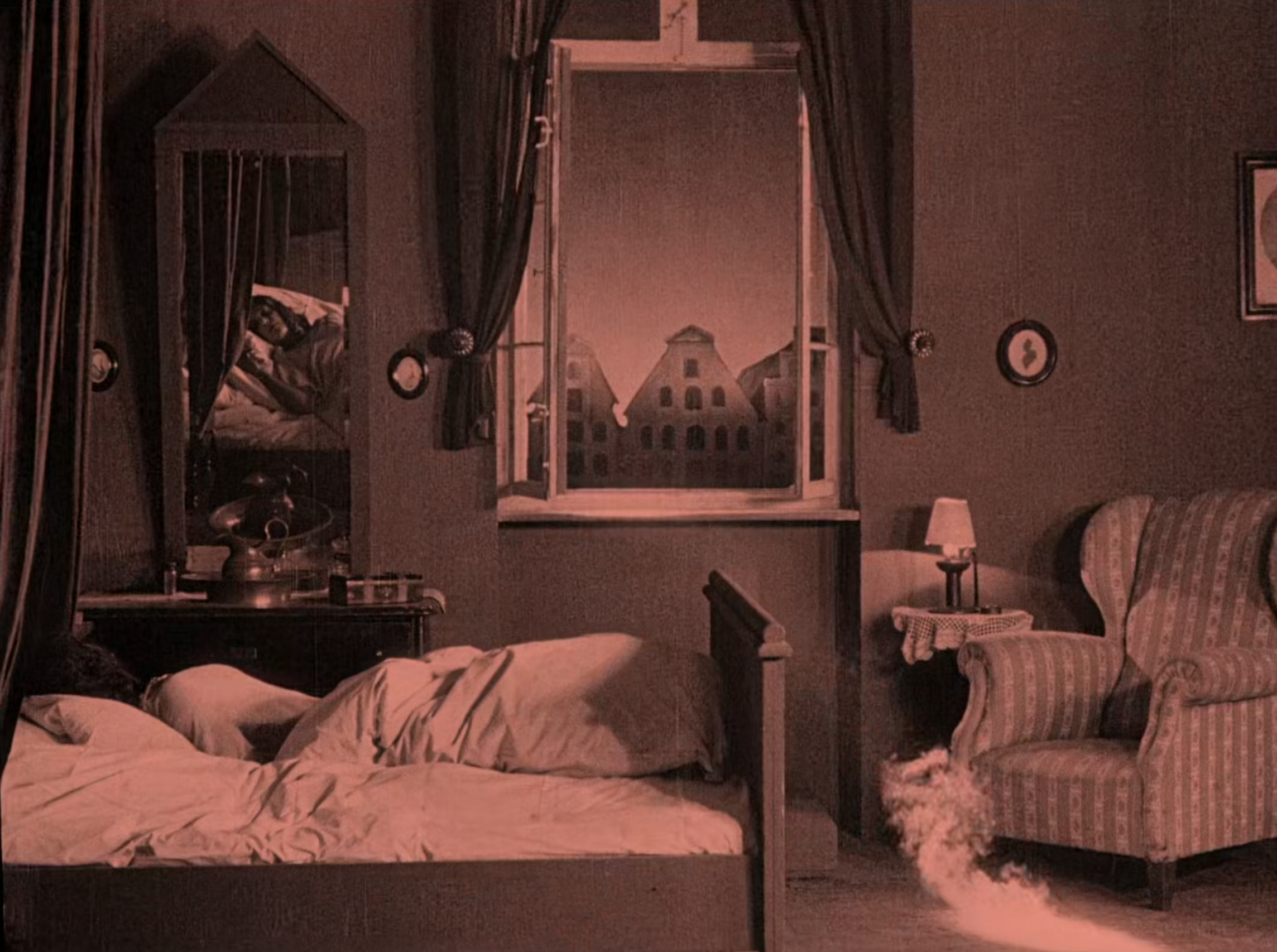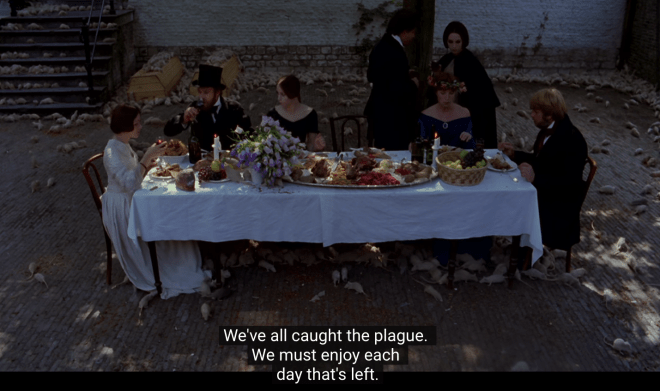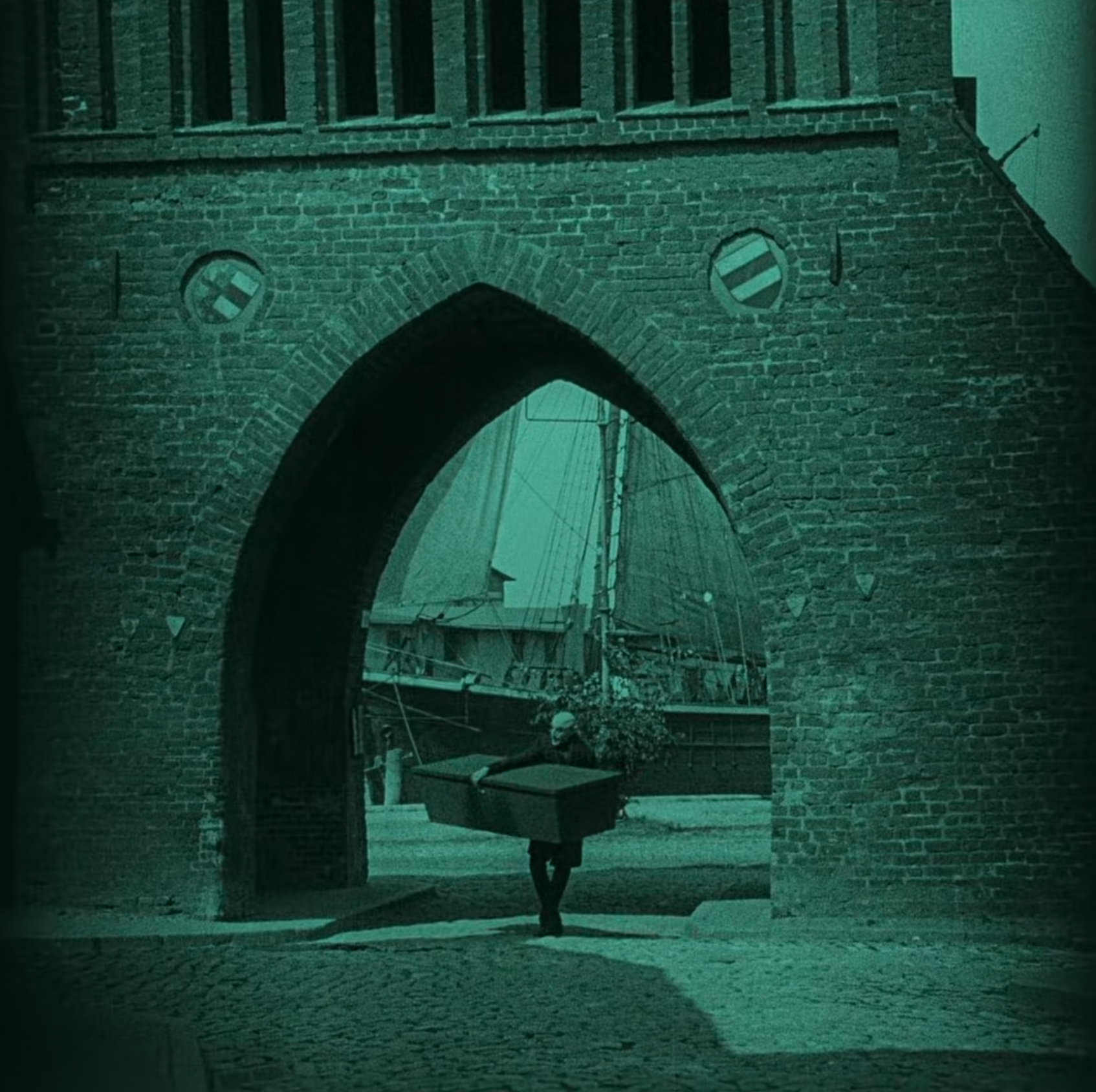
Nosferatu is the story of this rich, old-money bloodsucker using a petty capitalist stooge to get a working class man desperate to improve his station in life to sign over his freedom and life. It is no wonder we have been drawn to this tale for long over a century.
3. Nosferatu [2024]
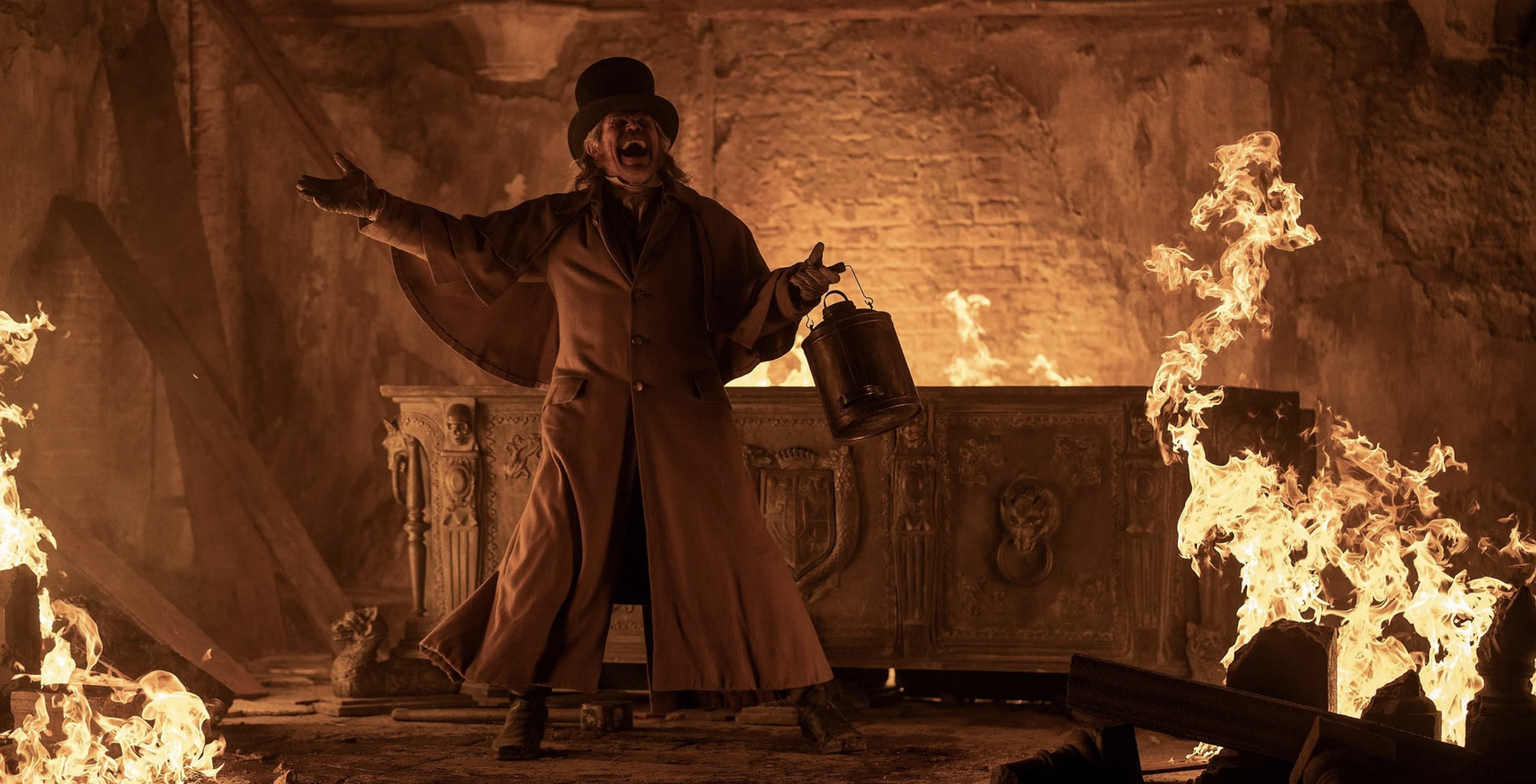
The original Nosferatu is such an impactful and influential piece of art that anyone attempting to remake it is naturally going to add their own tastes and personality to the film. That immediately put the 2024 edition in danger because Robert Eggers has demonstrated an inconsistent ability behind the camera so far.
There are two notable shifts in this film compared to what came before it: Eggers makes this far more of a standard horror film (with many before me pointing out the abundance of “jump scares”) and the re-characterization of the relationship between the Count and the Ellen/Lucy character.
When you rewatch the previous Noseratu films, they do not seem like horror films by any modern sense of the term. They are unsettling and creepy to be sure. Dracula/Orlok is a monster of course. But he does feel like a person. Eggers seems to put the most energy into establishing his film as a more obvious horror film and a more obvious monster film. There have certainly been some great monster films over the years, but this choice seems like a near-total misunderstanding of what made this story so *great* in the first place.
The relationship between Dracula/Orlok and Ellen/Lucy is also radically different. Nosferatu has essentially been grooming her since she was a young girl. This causes Ellen to be centered more in the first half of the film but also makes her seem less interesting than the Lucy characterization in the 1979 version where the last act of the film is really just her trying to solve this problem. It definitely feels less interesting.
Also, this film is also just far more ugly to look at in ways I do not think was intended. But hey, I am sure they will get lots of One Perfect Shot shoutouts.
2. Nosferatu: A Symphony of Horror [1922]
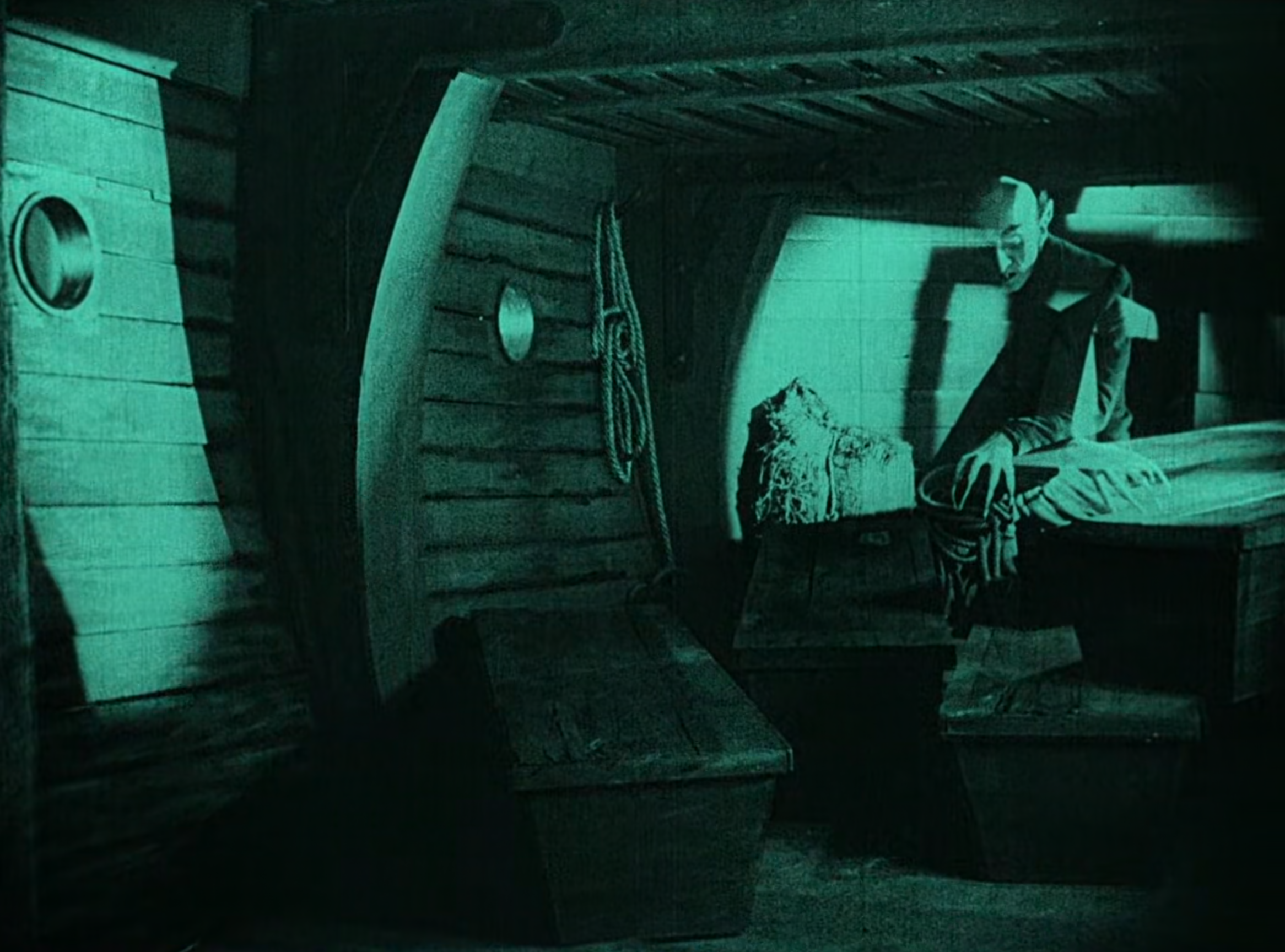
The 1922 Nosferatu is pretty stunning in every way. At the risk of sounding like a rube, it really is just remarkable what they were able to visually achieve with the technology available at the time. I cannot for sure say one way or another whether audiences found it scary at the time, but this story has never struck me as something innately scary. It is something closer to a tragedy. Herzog would explore that more on a personal level for the characters in his film, but this film seems much more focus on the tragic circumstances for people as a collective. In a world where no Nosferatu film has ever existed before, there is a true feeling of innocence with the characters on the screen that no modern film can sincerely recreate. No one here can conceive of such a horror. It really must be mosquitoes biting Thomas because who can think it could possibly be anything else? The original version is a sad and sophisticated exploration of societal innocence dying.
1. Nosferatu the Vampyre [1979]
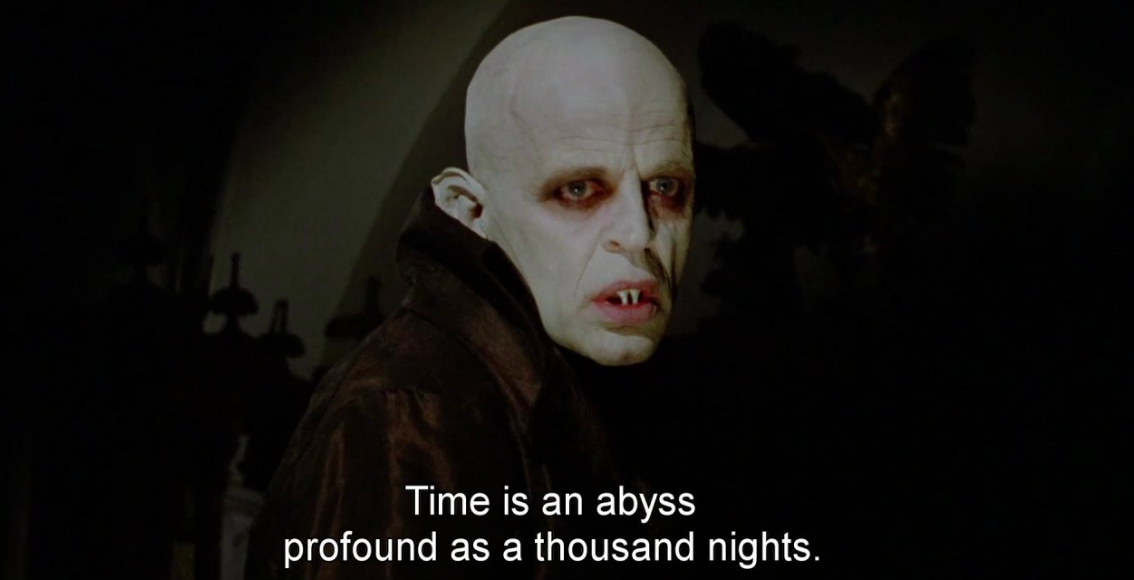
“The absence of love is the most abject pain.”
Nosferatu is as compelling of a film as Herzog ever made. Dracula is a classic story for a reason and pretty much any competently made adaptation is going to be enjoyable (see Eggers’ version). Herzog displays a rather touching empathy for the Count here, as it is not hard to imagine that Herzog would be drawn to a character doomed to experience life for all eternity without anyone to love him.
This film is much closer to a tragedy than a horror film. Dracula/Orlok has been MADE a monster by a world that he cannot participate in and has left him isolated from all human connection. He is isolated so long that he no longer sees other humans as people but instead tools for his own end. Lucy is not a woman to woo but an object that he is entitled to.
The last act of the film is relatively radical in how much it positions Lucy as a true hero. She is desperately trying to solve the problem of Dracula and mostly is able to do so on her own. This stands out especially in comparison with the other major versions of this work.
It would not be a Herzog film if there was not a grim POV. The movie ends with Dracula’s death, Lucy’s death, and Jonathan Harker waking up to become a vampire and off to create his own presumed reign of terror. Lucy’s grand sacrifice is almost entirely in vain. This is by far the best Nosferatu.