Herzog Articles
Ranking the Werner Herzog Documentaries
Ranking the Werner Herzog Fiction Films
Review of Werner Herzog’s The Twilight World
Ranking the Nosferatu Films
Still Need to Watch: Signs of Life, Scream of Stone, Invincible, The Wild Blue Yonder, My Son, My Son, What Have Ye Done, Salt and Fire
Werner Herzog is one the greatest filmmakers ever. He has made some of the most astounding films of all time. I love (much of) his work dearly.
14. Rescue Dawn [2006]
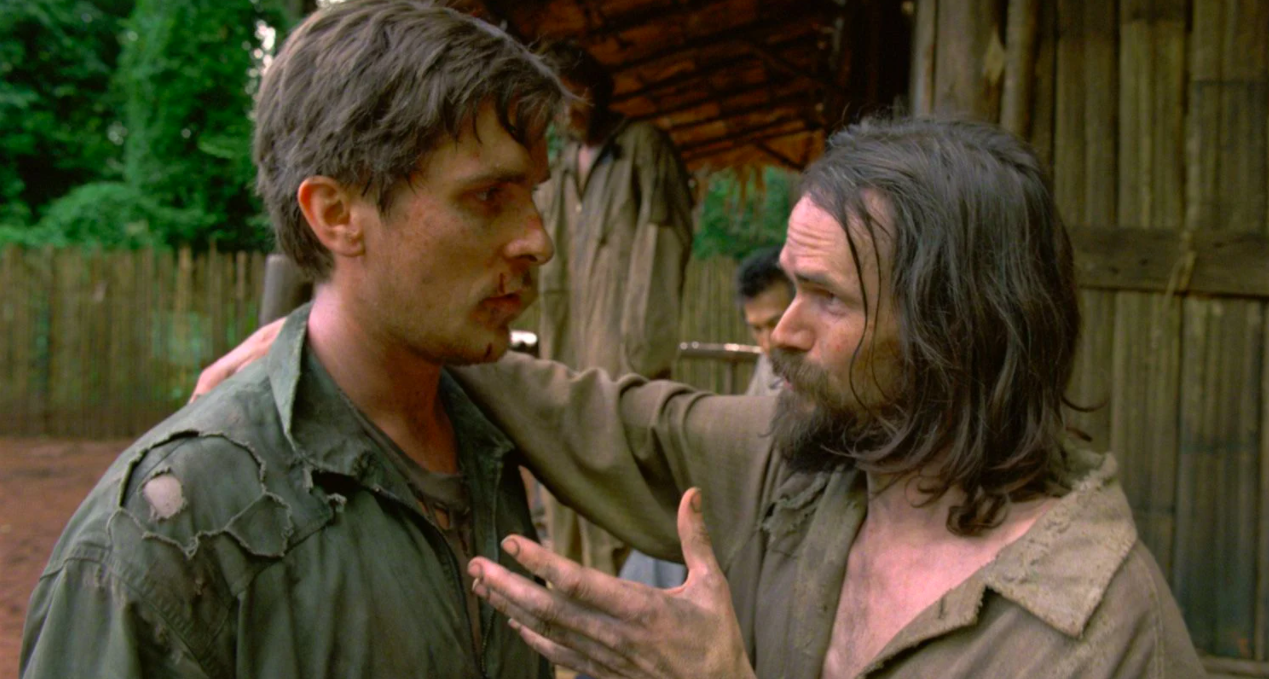
I would never claim to be a Herzog expert or any kind of authority on him or anything, but nothing about this film struck me as something that Herzog made. That is not necessarily a dealbreaker of course. But the ways in which this film instead of feeling like Herzog ended up feeling far more generic were just very specifically damaging to the film. Probably the only recognizably Herzog aspect of this film is a deep love and fascination with its subject. And while this film passes the incredibly low bar of “not glamorizing war” it is hard to see this film as anything but propaganda Oscar bait even with the knowledge that it is near-impossible to sincerely believe that had anything to do with the making of this film. I say all of this because as far as the subject of the film goes, who the fuck cares about this guy. Play stupid games, win stupid prizes. Herzog’s documentary on this man is roughly one billion times better.
13. The Enigma of Kaspar Hauser [1974]
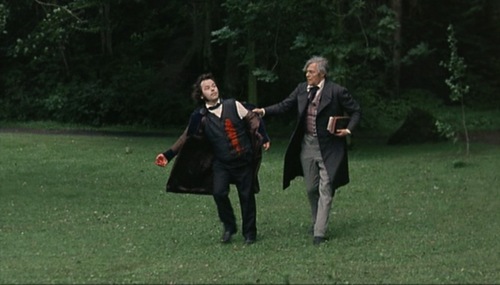
While less compelling than much of Herzog’s work, it does have the trademarked Herzog love for his subject that prevents it from ever being twee. While there are some interesting ideas here and compelling visuals, there is an overwhelming feeling of “mid” that is hard to deny here.
12. Family Romance, LLC (2019)
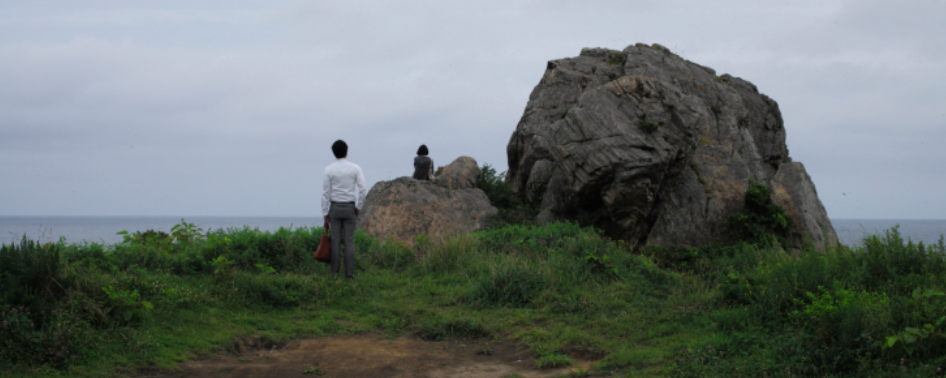
One of Herzog’s students essentially pitched him this film, and they then made it together with the student (Roc Morin) set as the producer. The premise for this film is beyond intriguing. The movie follows a man who operates a company that rents out people for various purposes. The main story is that of a man being rented for the purpose of playing the role of the father of a young girl whose father has been out of her life for years. The film never really gets past that but there are a few interesting moments here and there where the film is reflecting on the concept of performance and what does it mean to be genuine. Overall, the film is fun to just exist with and let it wash over you. Not sure if it could have reached higher heights, as it is possible the premise is just much cooler on paper than it could have ever been in reality.
11. Even Dwarfs Started Small (1970)
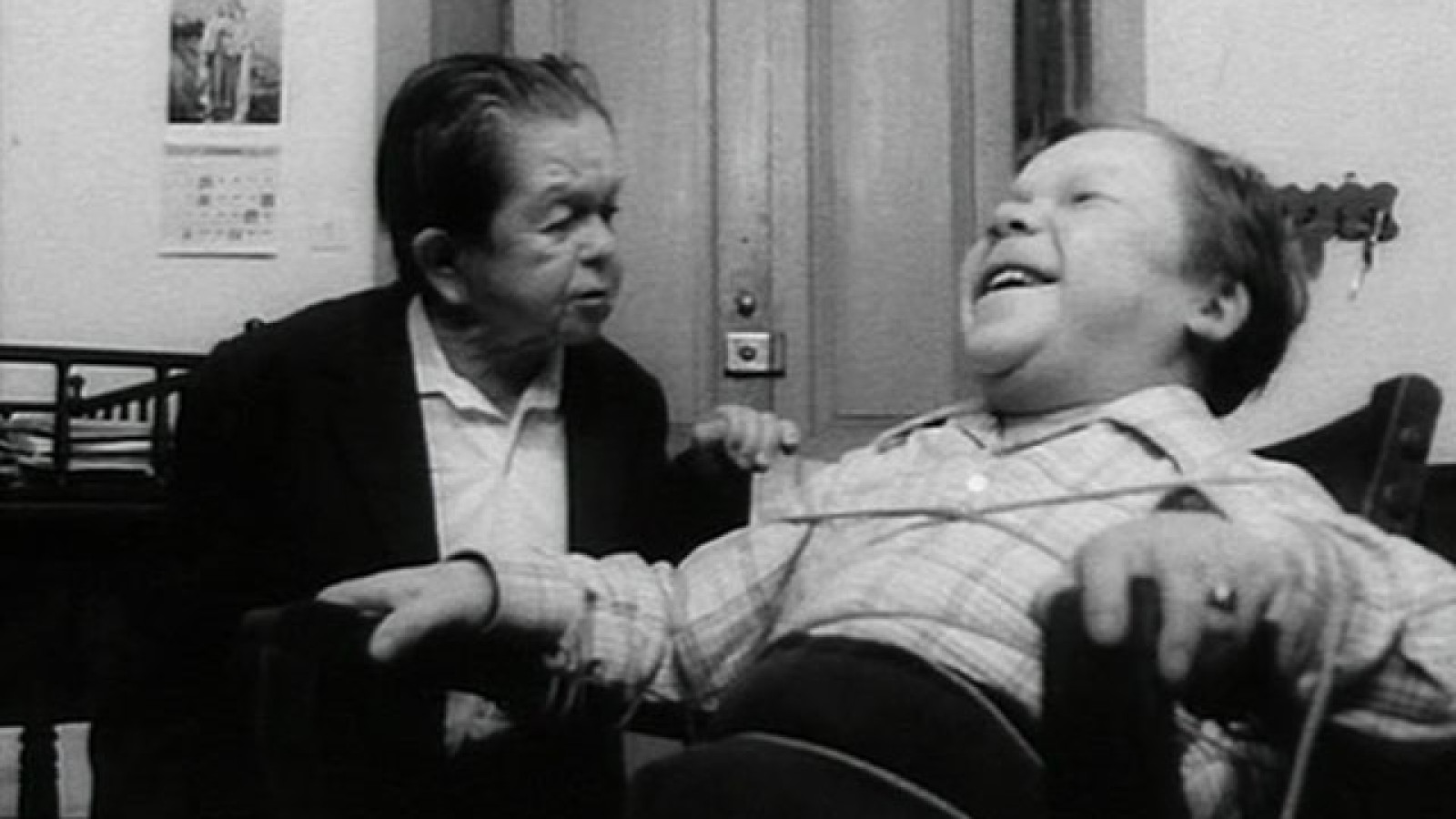
Just absolutely insane stuff that the medium of film was made for through and through. The fact that Herzog managed to capture something true about humanity with such unusual setup really says something about his obvious genius. The lengths that humans will go to cage each other and the pain that it causes has tragically been a fact of our lives for what seems like an impossibly long time. Herzog simply and beautifully manages to portray the madness that comes with imprisonment and animalistic emotional response that comes with breaking free.
10. Queen of the Desert [2015]
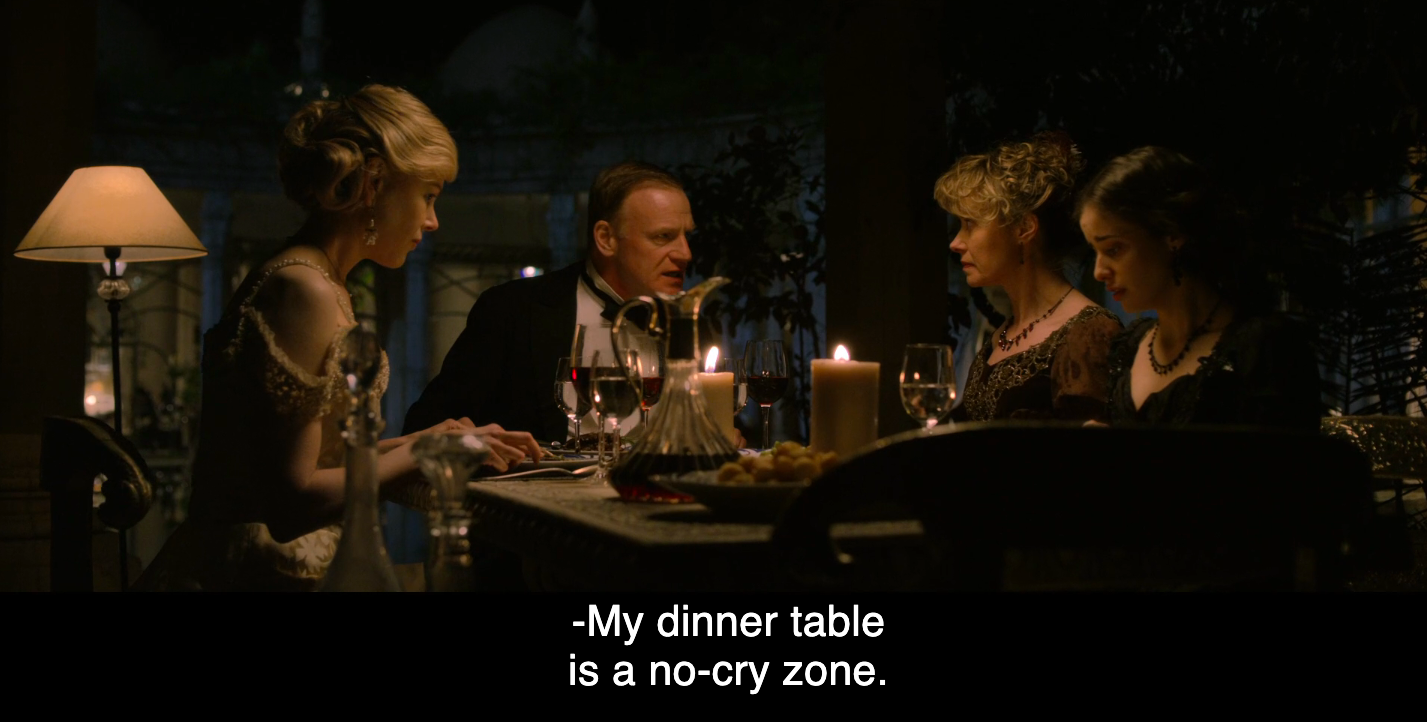
It is not hard to see what drew Werner Herzog to the story of Gertrude Bell – she was an “explorer” who fetishized groups of people who live outside the system of control and went into their lands to appreciate them from her point-of-view. The film captures the (supposed) innocence of such an outlook but also shows how the institutions of the rulers of this world will always seek to exploit such “innocence” for its own purposes. That is all fine in theory but Herzog is naturally more drawn to the Queen of the Desert than the troubling cynical desires of the British Empire. And as a result, there is not enough here to get excited about. Robert Pattinson as T.H. Lawrence was pretty inspired casting though.
9. Heart of Glass [1976]
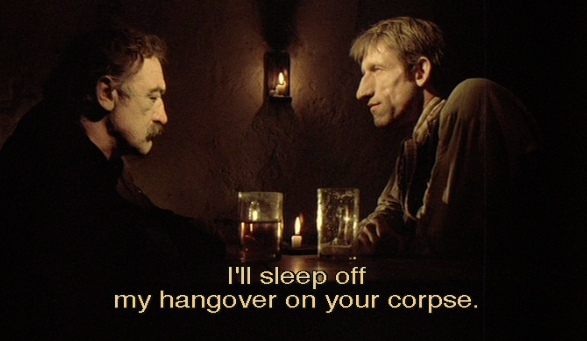
Heart of Glass captures Herzog’s morbid view of humanity.. You catch a glimpse of a small village, and its society hanging by a threat. It all can crumble down so easily. We are so dependent on a handful of things. What do we value? Why are we so dependent on them? The film is a grim exploration of hopelessness and a world where nothing better is possible. It was utterly fascinating and compelling and also wildly depressing.
8. Woyzeck [1979]
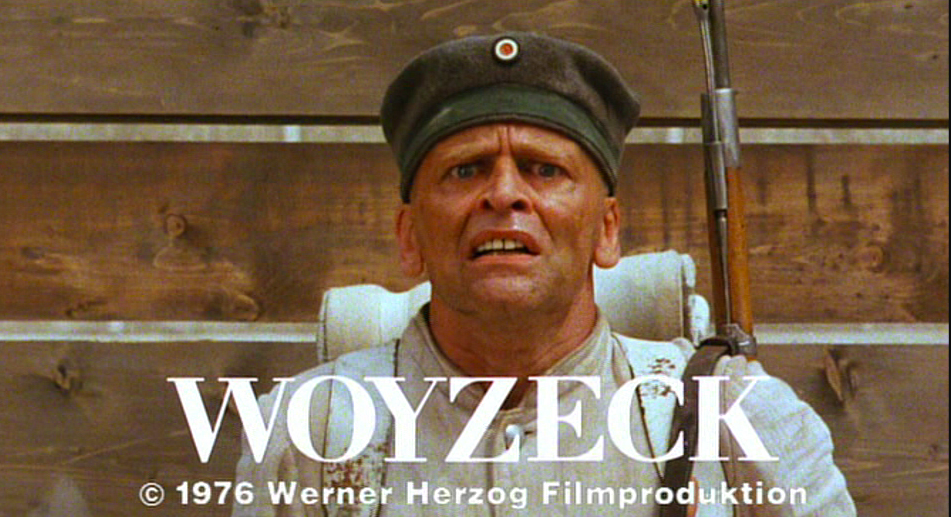
How far can a person be pushed? How much shit can they eat? Before they finally snap. Herzog explores these ideas with Woyzeck. Klaus Kinski plays a low-level German soldier who is taking it on all sides in every which way. Herzog shows life shitting on him over and over, and then you get to experience Kinski progressively get more and more unstable until he finally cannot take it anymore. He stabs to death his unhappy/cheating wife. In a brief moment at the end, there is an epilogue explaining the townspeople were grateful something interesting happened. As often is the case with Herzog, Woyzeck is a bleak yet compelling portrait of humanity. How do we escape?
7. Cobra Verde [1987]
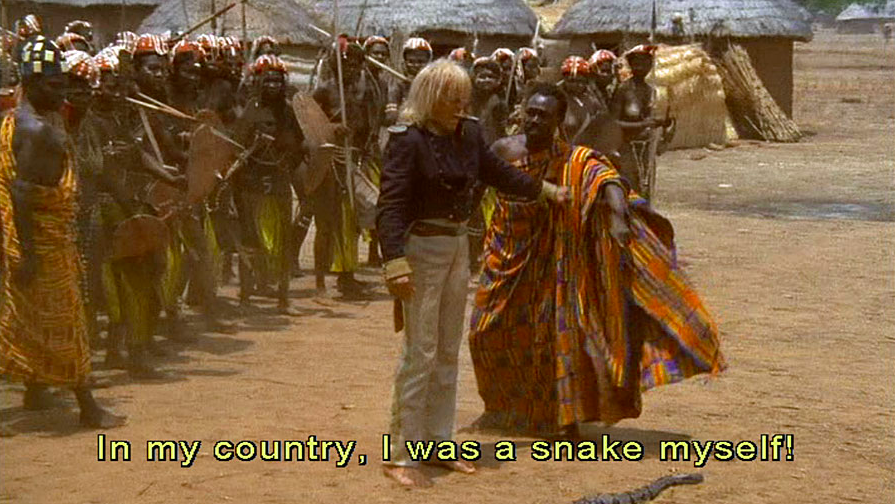 “Slavery is an element of the human heart…to our ruin.”
Werner Herzog and Klaus Kinski teamed up one final time to look deep into the heart of western European civilization and examine, once again, that they are fucking ghouls. Here, they explored and captured the greed and selfishness in humanity required to produce slavery and slave traders. Cobra Verde showcases a grim view of human civilization. You will watch this movie and think good things are impossible. The film ends though on an oddly optimistic beat. You see Klaus Kinski fruitlessly trying and failing to drag a ship into the ocean by himself so that he can leave Africa. Individualism will in fact get us nowhere. Collectivism is required to set sail. Are we capable of doing that?
6. Nosferatu the Vampyre [1979]
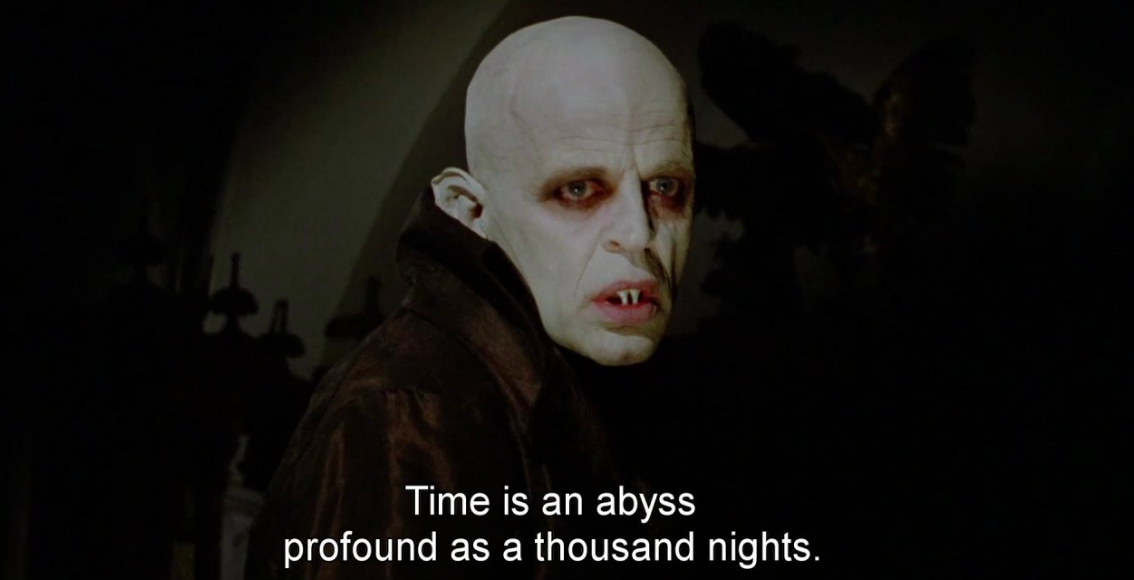
“The absence of love is the most abject pain.”
Nosferatu is as compelling of a film as Herzog ever made. Dracula is a classic story for a reason and pretty much any competently made adaptation is going to be enjoyable (see Eggers’ version). Herzog displays a rather touching empathy for the Count here, as it is not hard to imagine that Herzog would be drawn to a character doomed to experience life for all eternity without anyone to love him.
This film is much closer to a tragedy than a horror film. Dracula/Orlok has been MADE a monster by a world that he cannot participate in and has left him isolated from all human connection. He is isolated so long that he no longer sees other humans as people but instead tools for his own end. Lucy is not a woman to woo but an object that he is entitled to.
The last act of the film is relatively radical in how much it positions Lucy as a true hero. She is desperately trying to solve the problem of Dracula and mostly is able to do so on her own. This stands out especially in comparison with the other major versions of this work.
It would not be a Herzog film if there was not a grim POV. The movie ends with Dracula’s death, Lucy’s death, and Jonathan Harker waking up to become a vampire and off to create his own presumed reign of terror. Lucy’s grand sacrifice is almost entirely in vain. This is by far the best Nosferatu.
5. Stroszek [1977]
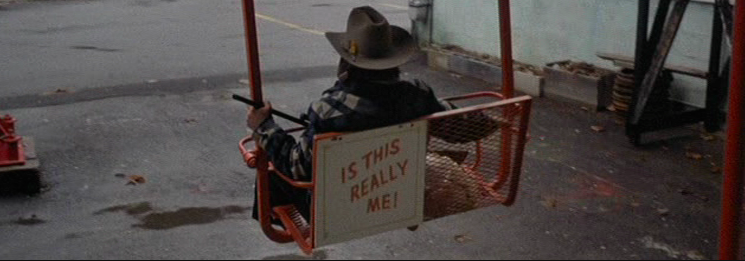
This is one of the most Herzog movies of all the Herzog movies. You have a compassionate portrayal of the protagonist. You are on a journey where there is a true sense of curiosity about the world and the stops along the way. And then there is an incredibly bleak portrayal for society and humanity’s prospects as Bruno et al. discover how truly bleak it is in America. He gets the full American Dream experience right down to the bank coming and taking away your shelter. This was just a quietly devastating film and one of Herzog’s best.
4. Where the Green Ants Dream [1984]
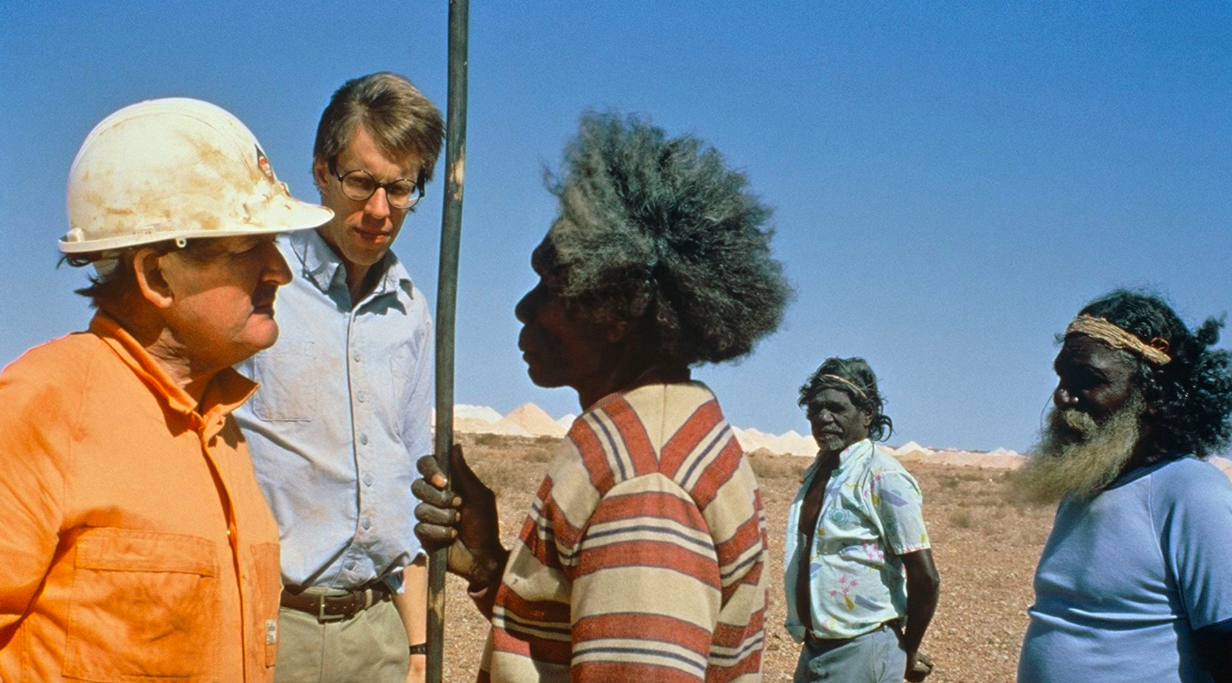
Werner Herzog for nearly his entire career has explored the tension between the western European conquest of the planet and the indigenous peoples of the world. With Where the Green Ants Dream, Herzog unexpectedly went to Australia and showed a people far too often ignored in a variety of ways (not limited to mass entertainment). Herzog crafted (an all-too-real) story of a mining company coming to destroy a sacred land of an indigenous tribe. Representatives from the tribe protest this and say they are willing to be shot before they stand aside. Why? Because the destruction of this land will destroy the green ants that live there and their destruction will lead to the destruction of the planet. Herzog then proceeds to capture how the liberal institutions of polite society will smile in the face of oppressed classes while stomping on them and taking everything away. This is a real gem in Herzog’s filmography.
3. Bad Lieutenant: Port of Call New Orleans (2009)
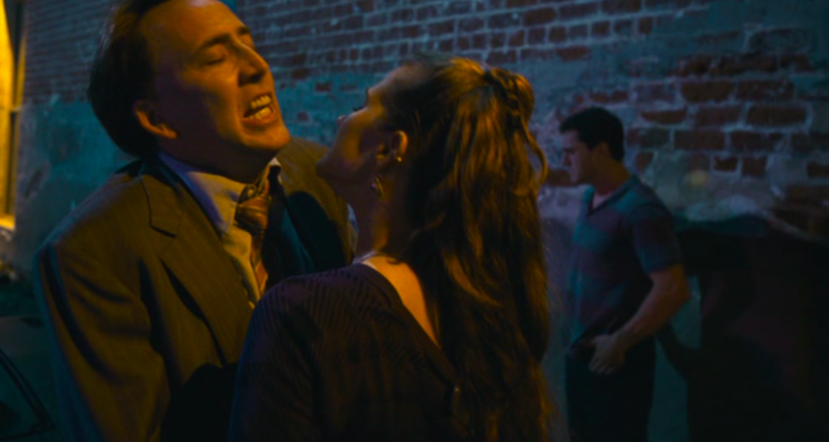
Much like Paul Schrader, Werner Herzog and Nicolas Cage is just a match made in heaven. While in Schrader’s Dark, Cage’s CIA character is literally running out of time until his brain ceases high-level functioning, Cage’s police lieutenant character here instead has created a self-imposed deadline of just doubling down on life over and over again until you just know that the check is going to come due any second. Whether it’s the gambling, the drugs, the people he surrounds himself with, or the line crossing at work, Cage is just repeatedly stepping up to the edge of the cliff and staring out – tempting fate. Tempting fate is often how watching Herzog makes you feel. In lesser hands, this would feel like a cop version of 24. Herzog doesn’t attempt to answer questions or make you feel better about the status quo. He drops in on a setting, opens up the hood, shines a fucking flood light on it, and forces us to look at how fucked we have made the world. This entry is one of the best films of the 21st century.
2. Aguirre, the Wrath of God (1972)
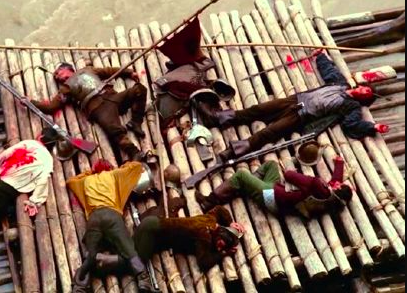
Cannot think of a more damning statement about the state of my brain in college that a professor screened this film for us, and I thought it was boring. What Herzog did here is simply one of the most impressive pictures ever made. Herzog captures something so essential about recent (550 years of) human history. “The West” came for the rest of the planet, and they were nothing but poison for everyone else while also destroying themselves as well. All the while doing that, Herzog created just an absolutely beautiful looking film that should equally inspire and intimate all aspiring artists. An essential film.
1. Fitzcarraldo [1982]
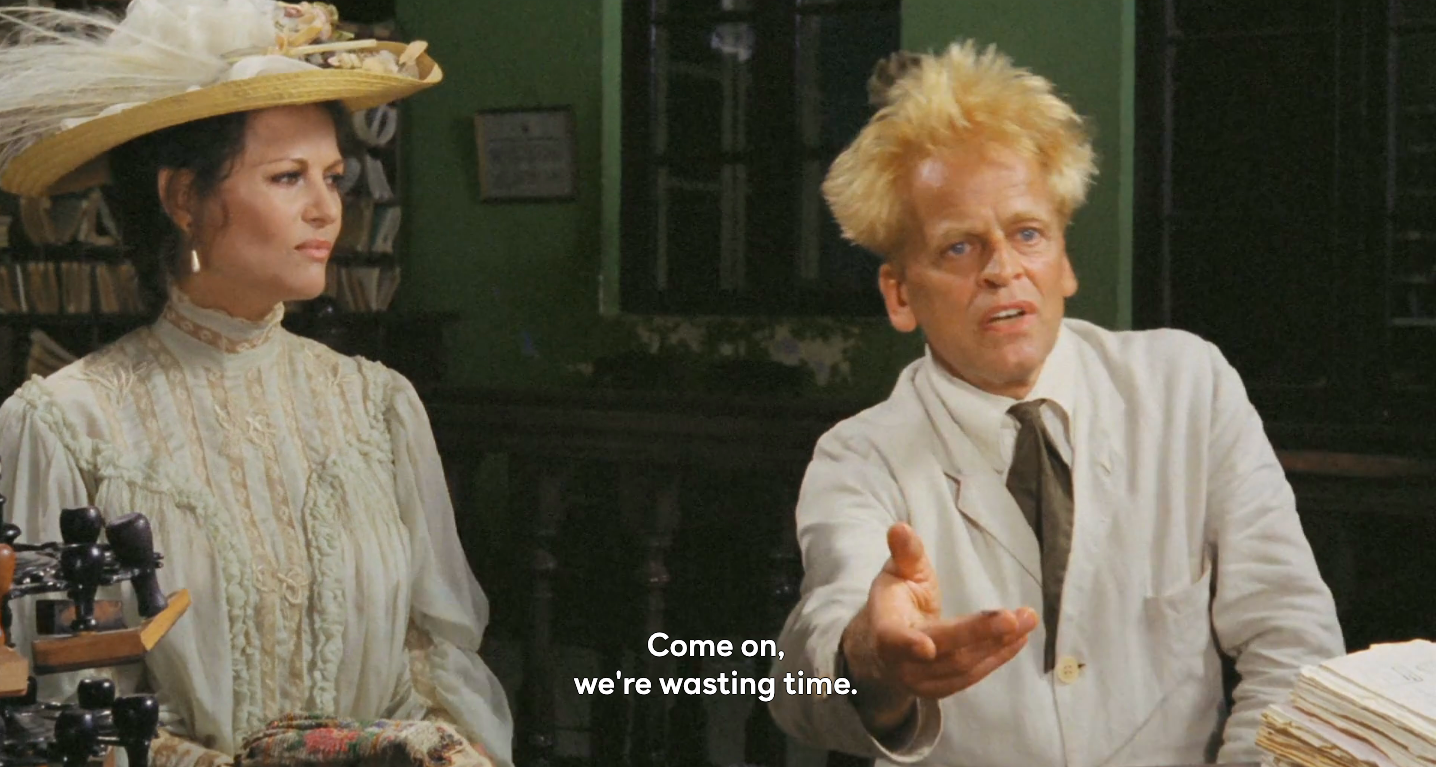
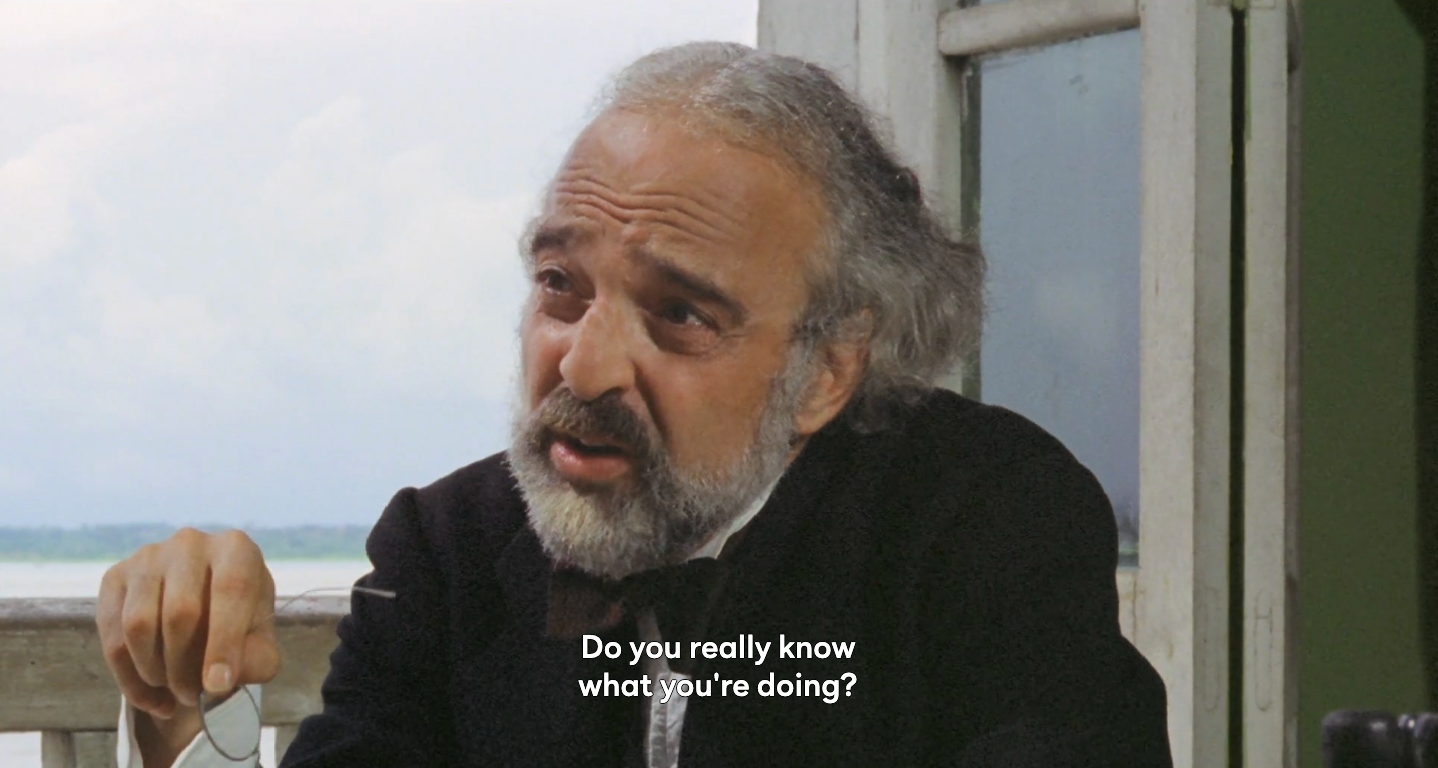
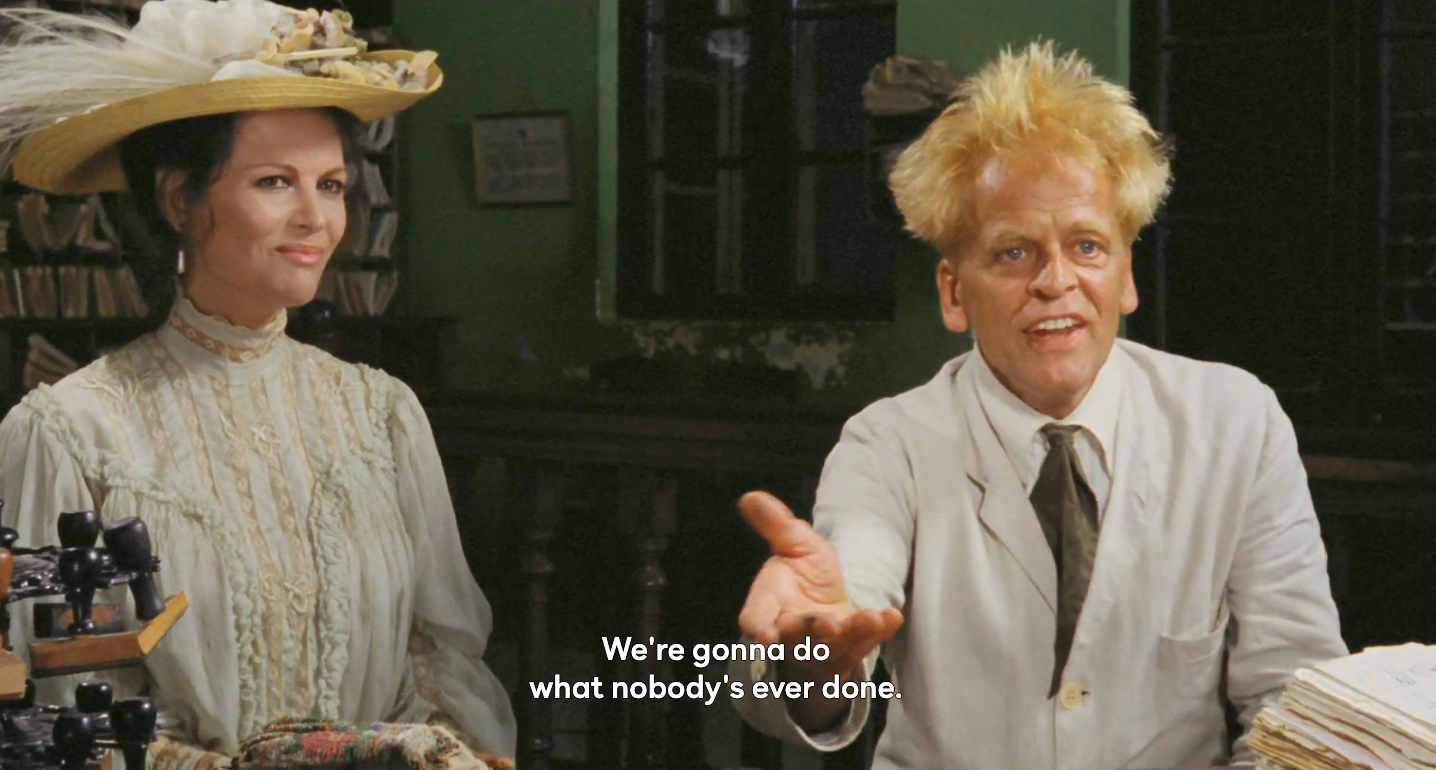
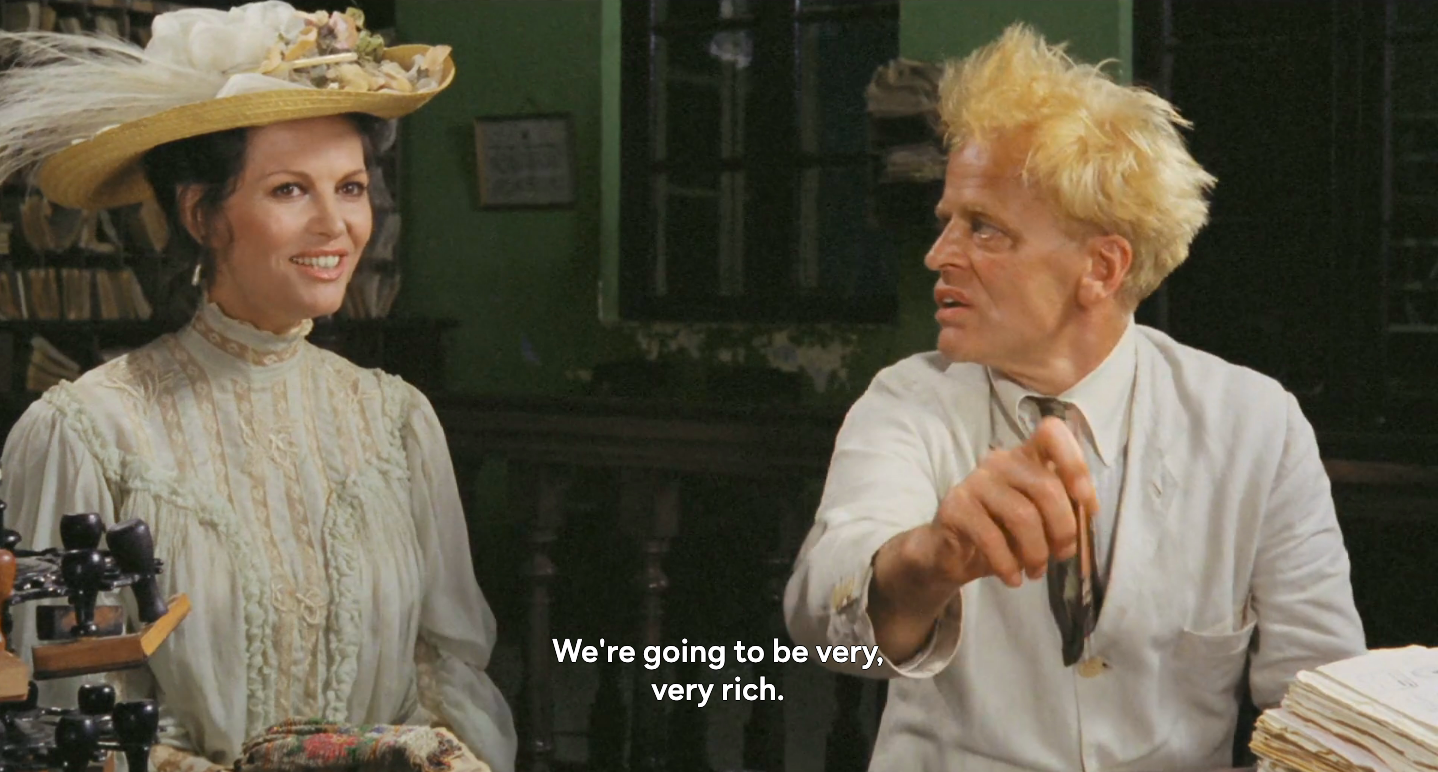
Inexplicably, Werner Herzog, the crazy German director, was put on Earth for one reason: to use cinema to capture the absurdity of western colonialism in South America. Herzog understands the ego, self-delusion, and self-obsessiveness required to be this ghoulish of a human being. He understands the total lack of empathy in which they saw indigenous people. He understands how god, glory, and gold are poison for humanity. And he knows how to explore how to show these diseases unique to humanity. Fitzcarraldo is one of the great epics of all time.
 The Reel World