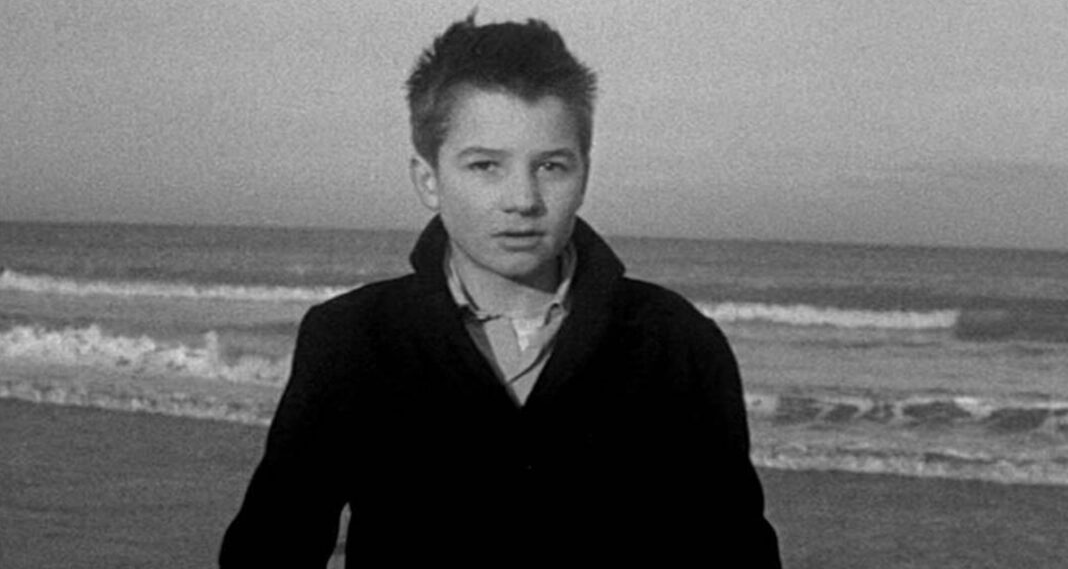
François Truffaut is one of the most iconic filmmakers. This is how I rank his Antoine Doinel film series.
5. Love on the Run [1979]
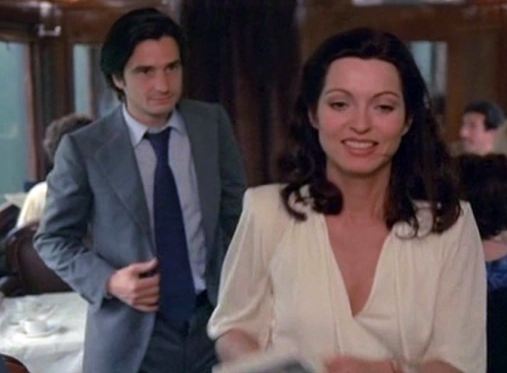
This was Truffaut’s fifth and final film in the Antoine Doinel series.
A decade after the fourth film and two decades after the first film, Truffaut one last time checked in on Antoine Doinel. It is by a significant margin the weakest film in the series.
This is for two key reasons. First, I guess because of the time period, Truffaut felt compelled to splice in countless clips of the earlier films I guess because someone thought they would not remember what happened in them? The whole movie is about Antoine and others reflecting on Antoine’s life, but they went way overboard. It felt like a sitcom clip show episode at some points.
Secondly, this film features the characters spelling out directly things about Antoine and the other characters that the audiences were expected to infer and figure out on their own during the course of the first four films. That is just artistically cowardly. Those are serious undermining issues.
Beyond that though, this film effectively looks at Antoine’s development and lack of development one final time. He is more aware of the mistakes. But he has been writing books to take out his frustrations on his childhood, instead of stopping and trying to process his pain and his emotions. So, naturally, he’s been a menace to the women of his life. He is hoping to get things right this time as the film ends. It is not an entirely unearned ending, but the movie does not fully hit due to the previously stated issues.
4. The 400 Blows [1959]
This was Truffaut’s first film in the Antoine Doinel series.
François Truffaut’s directorial debut film is as iconic as it gets. Films this infamous can have a larger-than-life quality that can almost make them difficult if not impossible to assess or analyze. This is such a classic coming-of-age story; I am not sure if it has anything profound to say, but it tells a familiar story as well as anyone else has done. Antoine Doinel is a young boy who struggles to color inside the lines. He seems to have an instinct to just rebel against whatever he is told to do. It becomes clear though he is really having trouble to find motivation to succeed within the system as it is designed. This a tale as old as time and as relevant as anything. There is not much that can be done but to give children empathy, patience, structure, consistency, and a sense of independence. Doinel essentially gets none of these things, and he is set up to continuously fail as a result.
3. Stolen Kisses [1968]
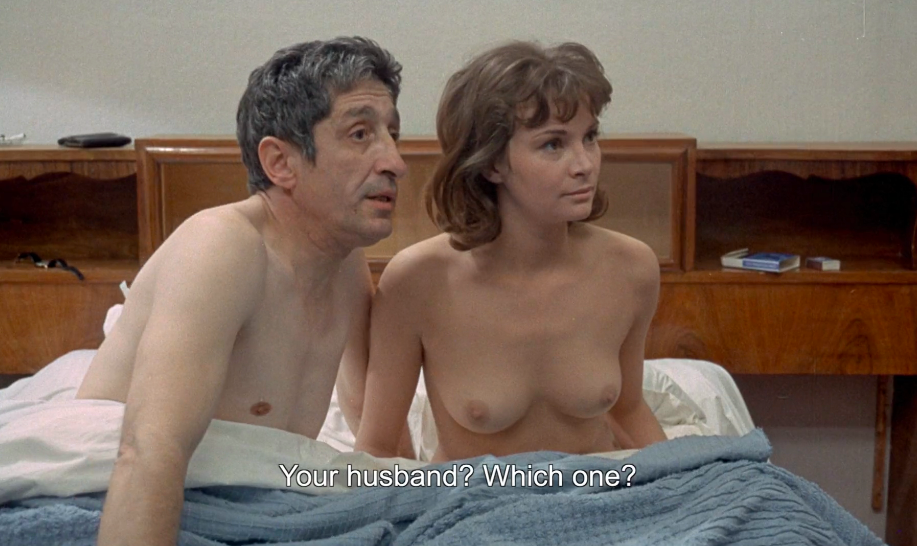
This was Truffaut’s third film in the Antoine Doinel series.
Six years since we last saw Antoine in his late teens, we now spend time with him again in his early twenties. The independence he craved from such a young age has made him truly independent but in a way that is not conducive for building a life in the modern world. He is professionally suffering the consequences for not being a rule follower. He has no direction and no prospects. He has also not really learning to better operate in relationships in a meaningful way.
The key scene to unlocking this film is a throwaway scene that would not have much meaning if you did not watch the short film, Antoine and Colette, set between The 400 Blows and Stolen Kisses. Instead of trying to build anything for himself, Antoine once just rather myopically pursued Colette in his youth. Antoine is now stuck in this version of perpetual adolescence. Colette meanwhile has built a life for herself with a husband and child. The young family seem happy based on this brief scene.
Antoine has the opportunity to seemingly settle down and build a life with a woman who is actually interested in him – Christine. She is cautious about Antoine but open to the idea. Antoine is not ready for any of this of course – he just wants what he cannot have and fill the hole in his heart. That’s why he starts chasing a married woman, Fabienne. Why would an older woman like Fabienne be drawn to a young male with no prospects? Is that unhappy marriage for Fabienne with her financially successful husband the future for Colette and her husband? Do we just trade one kind of unhappiness for another? Is there nothing better? Antoine himself seems to give up and actually proposes to Christine by the end of the film dooming them to this future of unhappy marriages.
2. Antoine and Colette [1962]
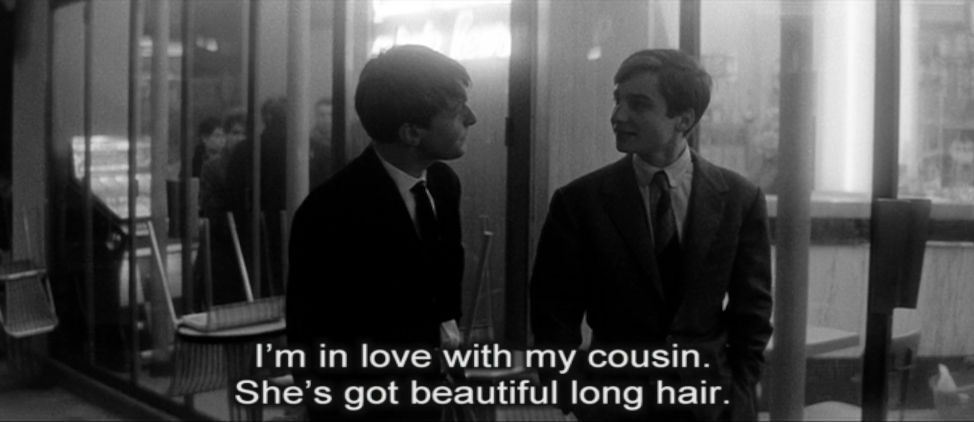
This was Truffaut’s second film in the Antoine Doinel series. It was a thirty-minute short. Antoine is now 17 years old. He is living on his own and working a job. He has the independence he long craved. He is crushing hard on Colette. He has no sense of how to be a person though that respects the independence of others. Colette makes clear that she is not interested in the same way, but he rejects that. He tries to woo her by kissing up to her parents (showing a complete lack of understanding teenage girls right there). He even psychotically moves in ACROSS THE STREET from Colette and her parents. This film reveals how emotionally stunted Antoine has become. It is perfectly understandable given his youth, but it is no less unhelpful for him and the people in his orbit now. He cannot see the pleasure of friendship with a woman he has a lot in common with. He has a right to want what he wants, but it is such a mistake of youth to not recognize the beauty of friendships with people. And it is already causing him problems.
1. Bed and Board [1970]
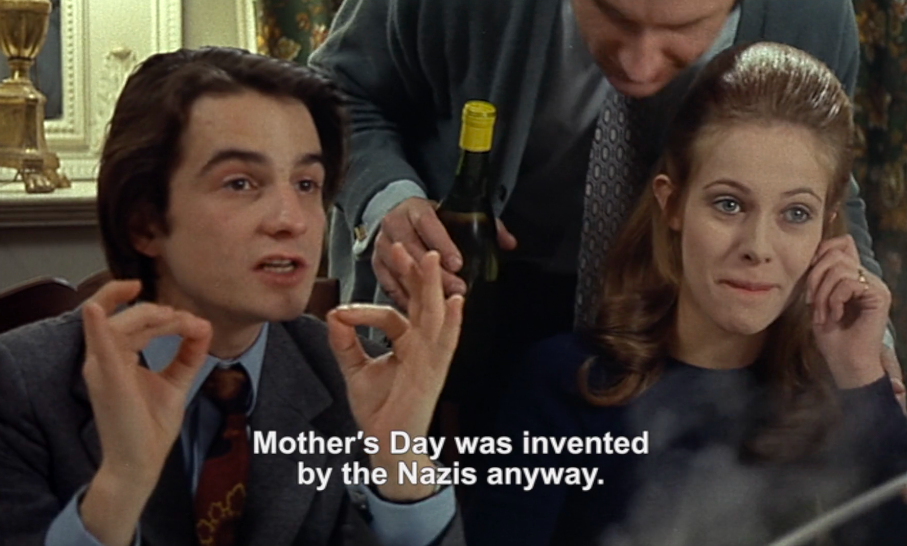
“I’ll make him be what I never could – a great writer.”
This was Truffaut’s fourth film in the Antoine Doinel series.
Christine and Antoine have built a life. He has settled down. They have a child. He has essentially ended up in the same place as the characters like Colette, Fabienne, and countless others in the world but without the stability of a solid career.
His settled life is all a house of cards though because Antoine never healed the inner child that craves validation. As such, Antoine rather predictably has an affair. The women, Kyoko, is someone he met through work. He and Kyoko have nothing in common. He deluded himself it was anything but shallow validation. He was exoticizing her. The affair predictably fizzles, and now what does he ave to show for it?
Antoine is simply repeating the toxic dynamics that he grew up in despite rebelling against it. Is there a path to happiness if following the rules and disobeying the rules both do not work?
 The Reel World