 Herzog Articles
Ranking the Werner Herzog Documentaries
Ranking the Werner Herzog Fiction Films
Review of Werner Herzog’s The Twilight World
Ranking the Nosferatu Films
Still Need to Watch: The Flying Doctors of East Africa, Handicapped Future, The Great Ecstasy of Woodcarver Steiner, How Much Wood Would a Woodchuck Chuck, La Soufrière, Huie’s Sermon, God’s Angry Man, The Dark Glow of the Mountains, Herdsmen of the Sun, Echoes from a Sombre Empire, Jag Mandir, Bells from the Deep, The Transformation of the World into Music, Gesualdo: Death for Five Voices, Wheel of Time, The White Diamond, Encounters at the End of the World, Into the Abyss, On Death Row, From One Second to the Next, Into the Inferno, Meeting Gorbachev, Fireball: Visitors from Darker Worlds, The Fire Within: A Requiem for Katia and Maurice Krafft
Werner Herzog is one of the greatest filmmakers who has ever stepped behind the camera. I am merely at the beginning of my journey of exploring and studying his documentaries so far, but I am going to share my early findings on what I consider to be his best and most essential work.
12. Ballad of the Little Soldier [1984]
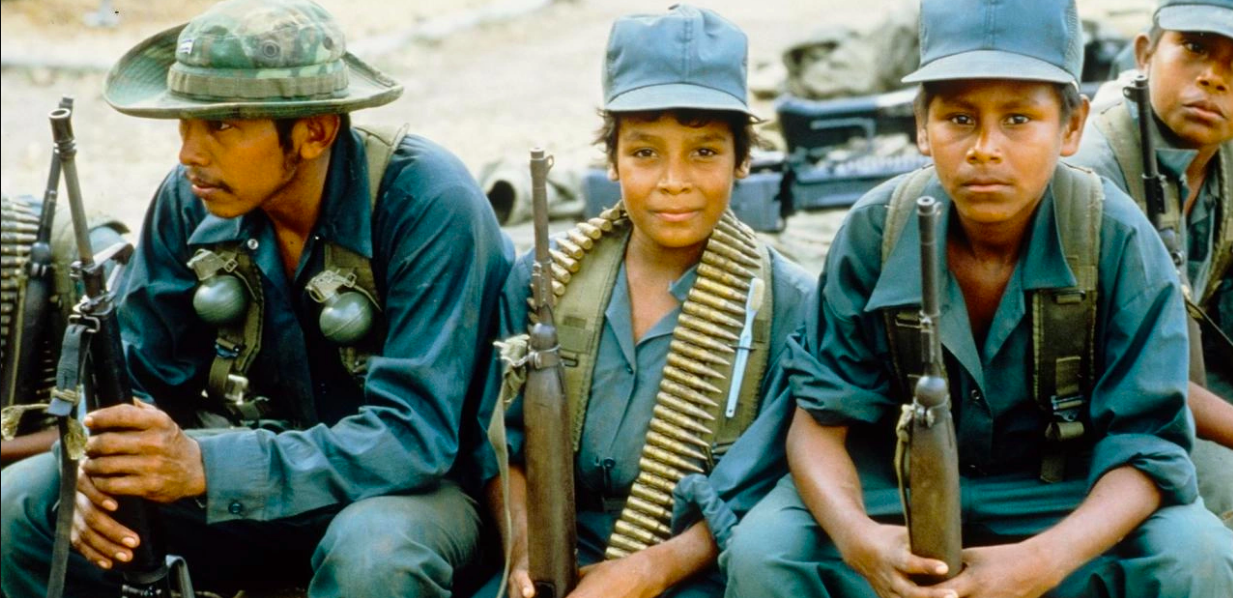 Little Soldier shows Herzog’s strengths and weaknesses as a documentarian. He has a beautiful way of showing love to his subjects. He has tremendous empathy for his subjects and the struggles/plights they are experience. He is however not interested in contextualizing the conflicts that are being shown on screen. The conflict between the Miskito tribe and the Sandinistas was tragic. The reasons that led them to these conflicts are tragic. Herzog is much more interested in the former than in the latter, and those choices in “where to cut” can leave his documentaries lacking.
11. Grizzly Man [2006]

Early in the film, Herzog interviews an indigenous person who is a bear museum curator or something and the guy was like “it’s sad he died but like for seven thousand years we have understood there’s a line between bear and human that we respect and they respect and if anything he may have done more damage to the bears making them think humans might not be dangerous” and then Herzog kinda blows it off in the name of showing lots of love for his subject (as Herzog is wont to do).
The second half of the film is much more interesting and less loving. It felt as if Herzog needed to take time to express admiration and a certain sense of love for his subject before he was willing to have his film challenge the subject in any way. Overall though, I was kind of shocked to find this film so underwhelming given how infamous it became. I guess it should not be a surprised that one of the few Herzog films to be so immediately accepted by the masses was one of his less well-done.
10. Fata Morgana [1971]

One of those movies that you just want to play and let it wash over you. It was absolutely fascinating and beautiful to look at. It was not a fully successful execution but that does not mean it was not a worthy attempt. More movies should just be pretty to look at and have Leonard Cohen playing throughout. This is what is known as the McCabe & Mrs. Miller Theory of Cinema.
9. Lo and Behold, Reveries of the Connected World [2016]
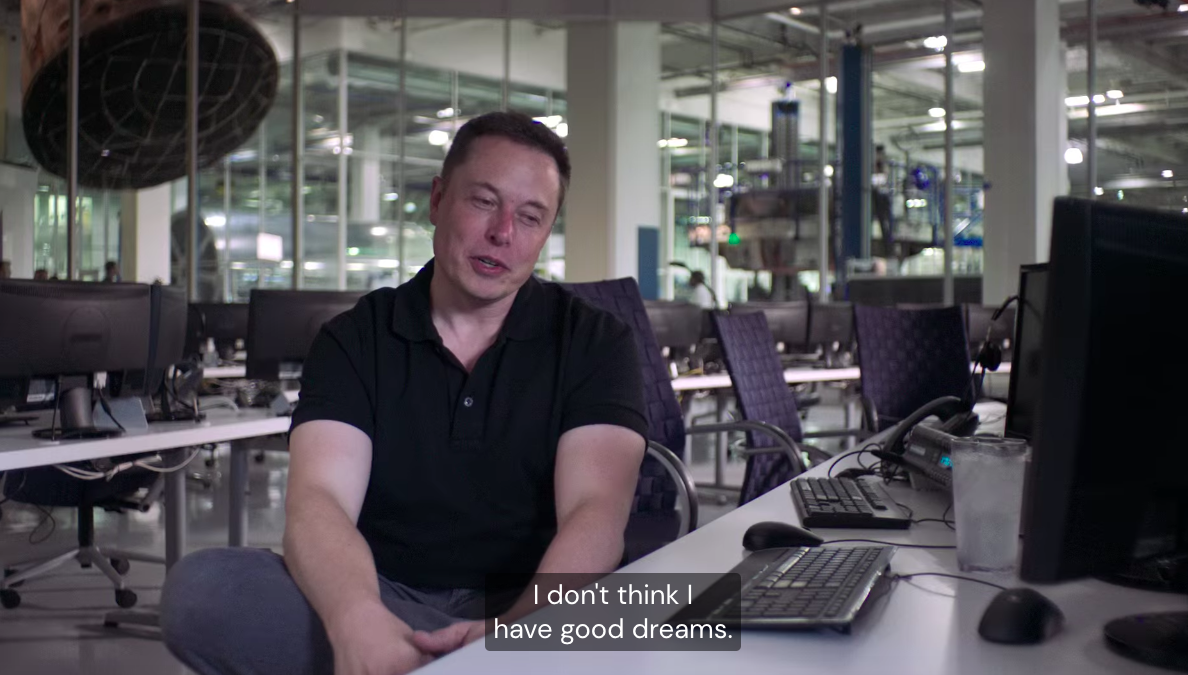
The duality of Herzog is that earlier in the film he kisses Elon Musk’s ass a bit and asks for a one-way ticket to Mars, and then a few minutes later he murders him on camera via pure editing violence. The documentary asks a lot of questions that it does not pretend to have answers to, you (not just literally) hear Herzog’s voice throughout, and there is some solid unintentional comedy throughout. Call it a thumbs up.
8. Theater of Thought [2022]

Theater of Thought was just Herzog cooking and vibing. It was an exercise in pure curiosity and into showcasing Herzog’s larger than life personality. The film explores the current state and potential future understanding of the research in how our brains work. While most of Herzog’s documentaries feature Herzog’s loving focus on a single subject, this felt more like a sincere insight into how Herzog’s mind works. Or more specifically, it was an insight into what directions Herzog’s mind goes. What causes him to ask the questions he does? You see how thinks outside the box and how it keeps everyone who appears in the film on their toes.
7. Nomad: In the Footsteps of Bruce Chatwin [2019]
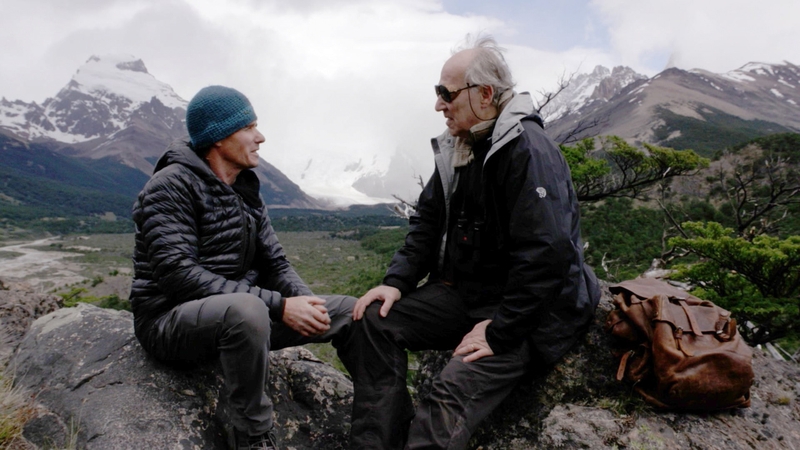
One of the things that I really dig about watching a Herzog documentary is that even when he is dealing with a theoretically generic concept for a story, it never feels generically executed. For all intents and purposes, this is of course of biography. But instead of being a made-for-tv special that gives you the cliffnotes on Bruce Chatwin’s life, you instead get something much more meaningful. You get a feeling about Chatwin. You get a taste of his essence. And thus, you get a taste of humanity and a connection to another human being on a level a more generic film could not possibly hope to accomplish.
6. Land of Silence and Darkness [1971]
 The idea of being both blind and deaf is frankly the stuff of nightmares, but it is the everyday reality for a portion of the world. With there being no way to truly capture what it is like, Herzog instead follows his main subject and periphery characters around and lets his camera do the work of connecting the audience to them. The film challenges us to empathize with their struggles without pitying them. It is a challenge that is, to be perfectly honest, one I was not always up for. To pity anything is cruel, but to merely pity a fellow person of the world is simply inhumane. Herzog does not do the work for us but instead gives us the opportunity to listen and think about the subjects are saying and doing.
5. Happy People: A Year in the Taiga [2010]
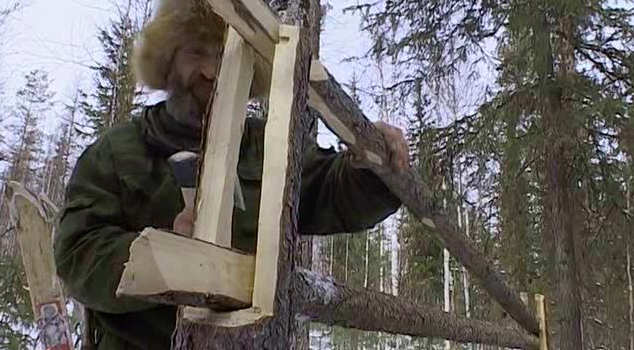 The title of this film turned out to be incredibly misleading. Not because the people who live their lives and make their livings deep in the wilderness of Siberia are happy or not happy, but simply because that does not really seem to be the point of the story at all. Herzog if nothing else seems to have a fascination with those who live as far away from modern society as possible, but the title seemed to potentially imply that Herzog was going a step further with fondness. If anything, the title seems much more about Herzog than the actual story. Anyway, enough about the fucking title. The movie itself is quite good and for the reasons that most Herzog movies are quite good. He is uniquely talented at dropping into a world he is not a part of or does not belong to and managing to tell a story that seems to authentically capture a tiny piece of the community’s existence and life itself.
4. Little Dieter Needs to Fly [1997]
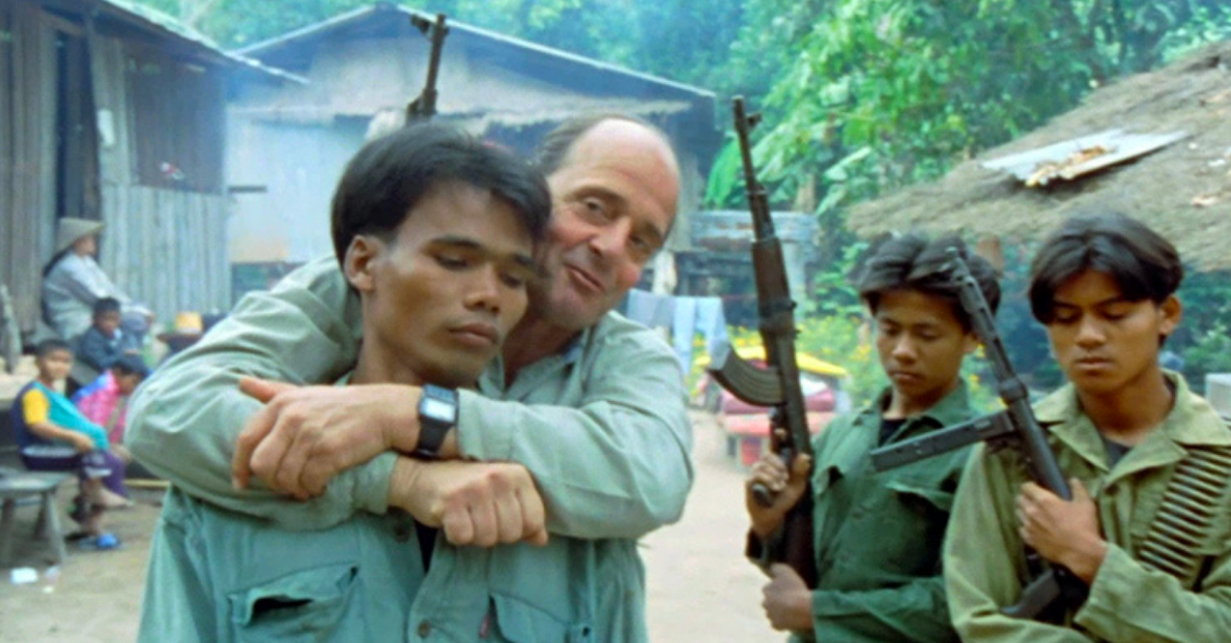
The story of Dieter Dengler is representative of the great tragedy of human civilization. This guy was born in Nazi Germany. By the time he is growing up, he wants to learn how to fly. A noble passion! Due to post-war conditions, it’s not an attainable goal. He ends up in the United States. The path to become a pilot means joining the military. Which at this point in his life means becoming a pilot in the Vietnam War. He becomes a prisoner of war. The Viet Cong asked him to sign a letter criticizing the United States invasion. He refuses to do it. When discussing that refusal in this film, this is what he says. He tells the story of his hometown in Germany and how in his hometown only one person did not vote for Hitler: his grandfather. His grandfather was being harassed by the state and the community afterwards, and he was convinced he was going to die. But he held strong. Dieter then explains that his grandather’s resistance to the Nazis is what allowed him – this immigrant fighting for the United States Empire invading Vietnam – to summon the desire to not criticize the United States Empire. Is there any hope for a better world? It does not seem possible. Herzog through his trademark style of an in-depth empathetic look at his subject is able to extract this core paradox about humanity. It is much better than the feature film version he made a decade later, Rescue Dawn.
3. Cave of Forgotten Dreams [2010]
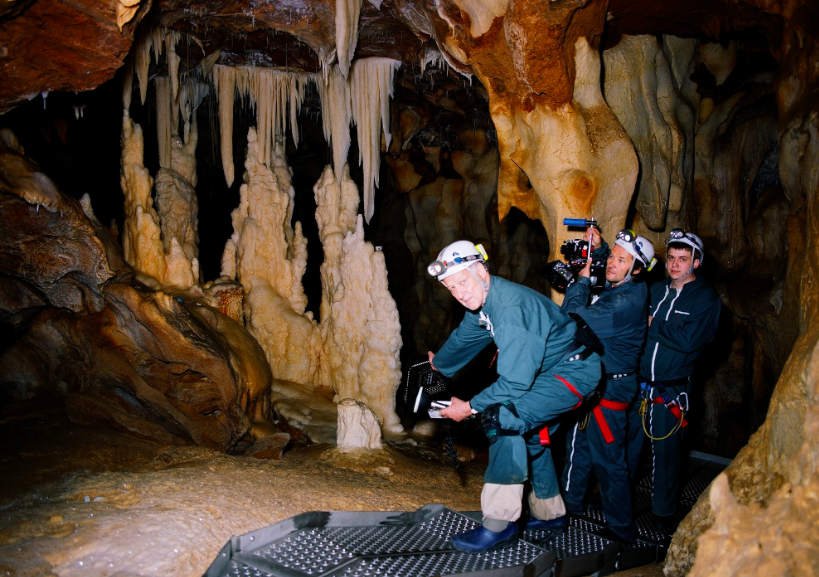
Werner Herzog’s joyful curiosity is at its peak here. He got to examine one of the most sincerely joyful human creations ever: Paleolithic era art. Homo sapiens making gorgeous art 30,000 years ago. It’s hard to conceive of, but it is just so affirming of the human experience. Life is beautiful. Humans are beautiful. How do we stop a handful of them from trying to divide and destroy us?
2. Lessons of Darkness [1992]

Using almost zero narration and interviews, Werner Herzog managed to capture the hellscape that is the aftermath of war and why countries go to it (money). It is concise, devastating, and to the point.
1. My Best Fiend [1999]

Simply put, this is one of the most compelling movies ever made. Herzog documenting his relationship with Klaus Kinski functions as a beautiful exploration of human relationships and the collaborative process required to make great cinema. Kinski seems to be one of those artistic geniuses who embodied the idea of the need to maintain multiple seemingly contradictory and paradoxical truths to accept a full person for all they are. The good and bad in them. Kinski seemingly tortured Herzog in so many ways, but Herzog understands on some level they were essential for each other. Herzog in many ways uses this film to explore that further: to show how and why they were necessary for each other. It is just so goddamn beautiful.
 The Reel World