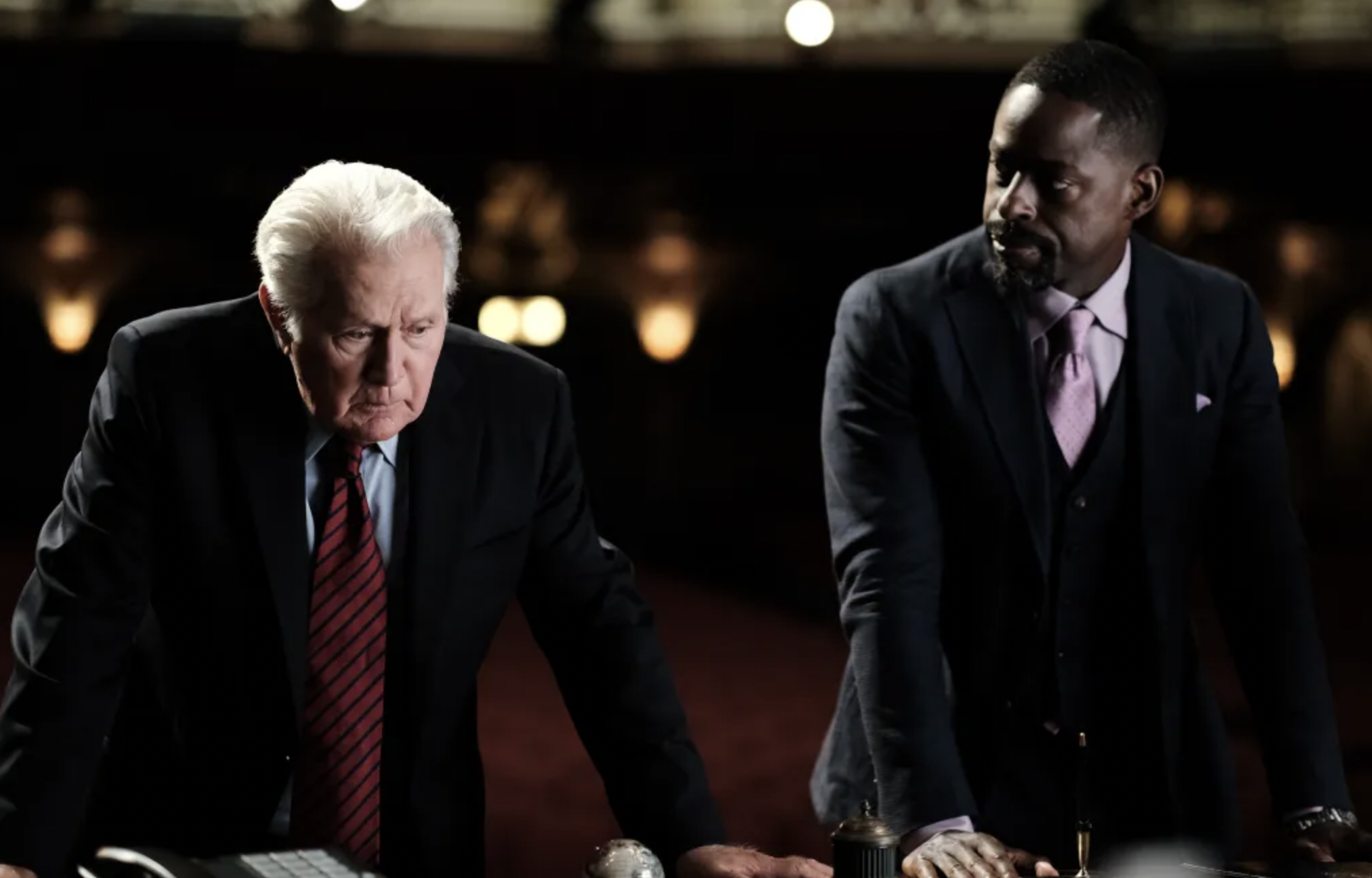
The West Wing is one of the most infamous dramas in television history. Actual people in politics saw it as inspirational to be a do-nothing liberal. Liberals outside of politics used it as comfort food. And Aaron Sorkin used it (for four seasons) to work out his issues with women in public. There is something for everyone.
The show is a tremendous cultural artifact. It captures how pre-9/11 there was possibly a genuine off-ramp for how the country could operate in the world but that there was an insidious white male supremacy strand in the country that needed to be addressed. But that both of those ideas fell by the wayside due to Islamaphobia and our open World Police status. Despite this status as a cultural artifact, the show is so much of an unintentional reflection of this country. And this country sucks. So this show sucks (except when it doesn’t).
7. Season 5: Gas-Leak
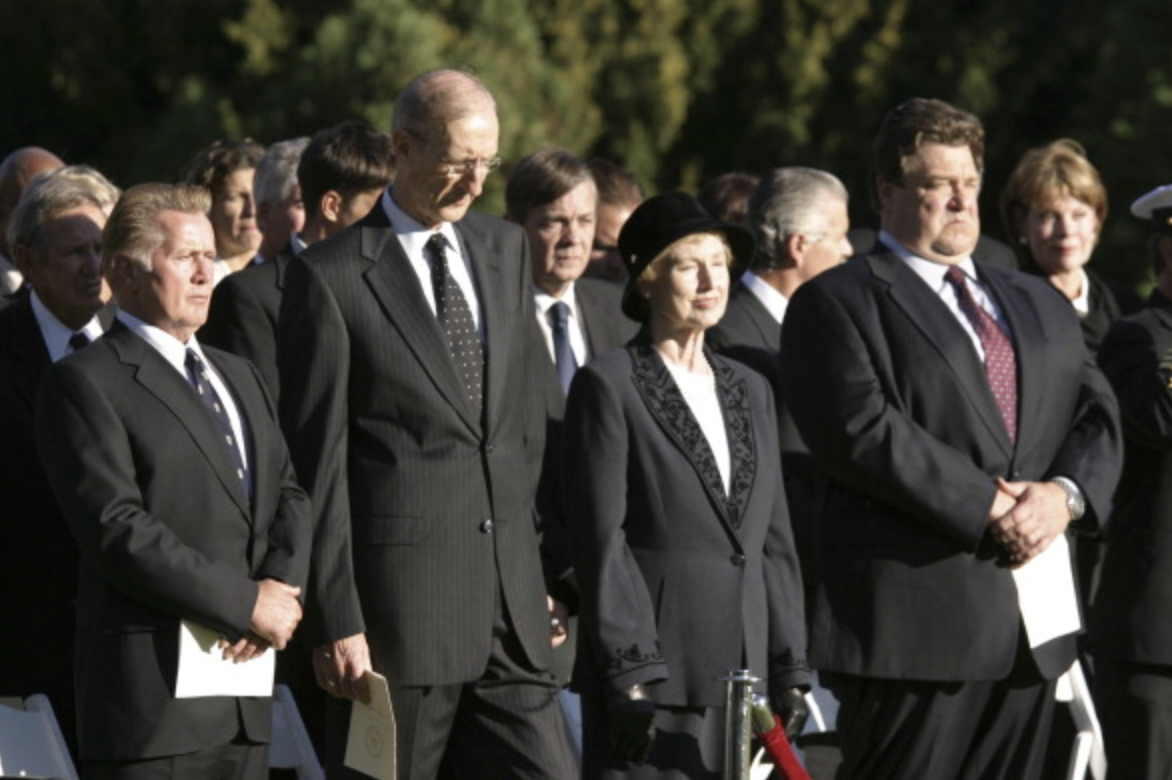
John Wells took over as the showrunner in season 5. Aaron Sorkin (hilariously) left the show in a narrative corner that was virtually impossible to gracefully write themselves out of – all the while Wells had to develop his own voice which should not stray too far away from what the show had established. This situation was impossible, and Wells did not do a good job at escaping Sorkin’s trap or establishing his own effective and impactful voice. Everything was just so clunky this season. There were some nice moments to be sure. The season was raising the alarm about Supreme Court octogenarians convinced of their own immortality. There was also the satisfying episode about nuclear activity in the middle east and all the characters were so Islamophobic they never once considered the possibility that it was Israel doing some shit. Those moments were few and far between though. This season was embarrassing for all involved – especially the audience.
6. Season 4: The Bartlett Doctrine – A Mess
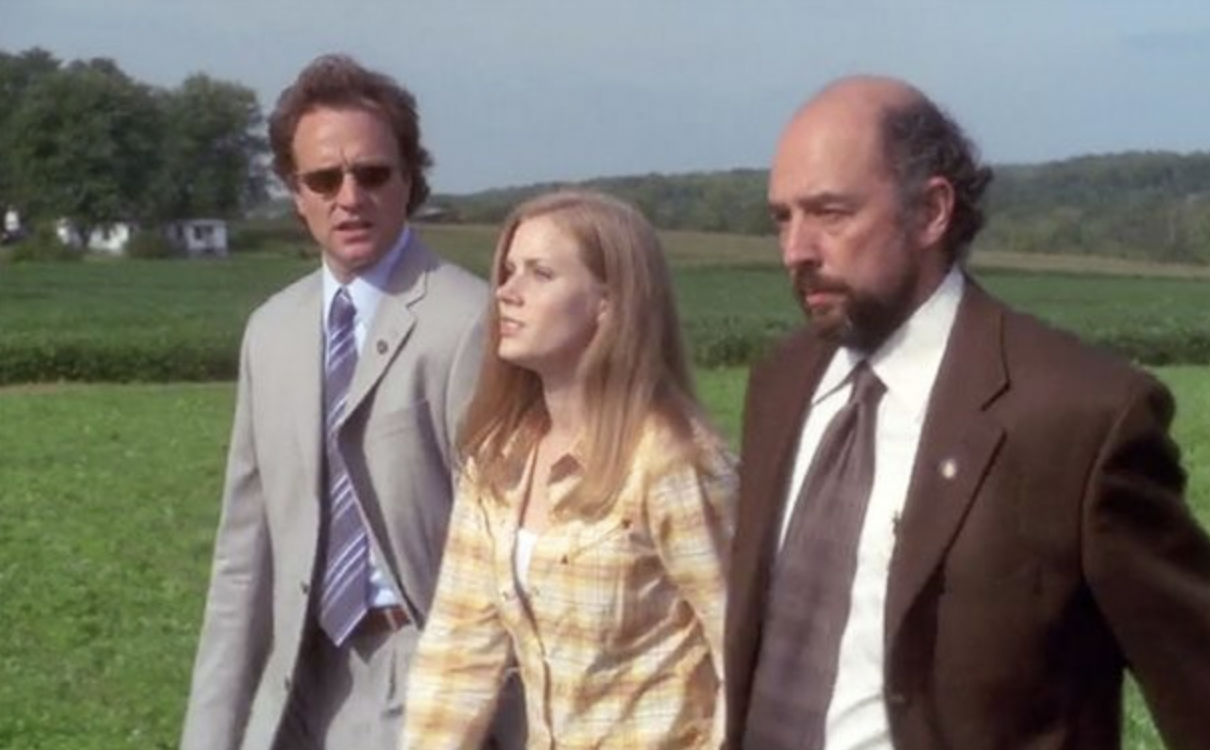
“I don’t know what winning looks like. What does it look like? Is it… I mean, is it honestly the U.S. flag flying over Mecca? Is that what’s gonna straighten this out? And, if that’s the case, why are we postponing that? What are we hoping is gonna happen in the meantime?”
There were several messy stories in this season, and the politics of the show only got more shameful.
The show seemingly short-circuited in response to the need to write out Rob Lowe from the show over a contract dispute. Aaron Sorkin wrote as undignified and unsatisfying as an end as possible for Lowe. His character became a sacrificial lamb in a run-off in an un-winnable congressional race. He looked like a fool, his last scene came before the results of his race came in, and there is no confirmation of either what happened in that race or what he did afterwards. He just did not appear for until the show wrapped up three seasons later.
And yes, it’s an election year and Bartlett was running for reelection. For some reason, they decided to make the reelection a non-story for all intents and purposes. Bartlett won without any drama, and they just moved on. No idea what happened there. It then led to his character having a clear mandate where he decided to institute The Bartlett Doctrine. What’s this doctrine you might ask? Bartlett is turning the United States into the World Police. But in a good way. This is so dumb and condescending and completely ahistorical in every way in terms of what the impact of the United States has been on the rest of the world. This country sucks. This season sucks. This show sucks.
(It was admittedly funny that Sorkin wrote the show into an impossible corner at the end knowing he would not be the person in charge of getting the show out of it.)
5. Season 2: “You really have to ask what’s the point of being a superpower anymore?”
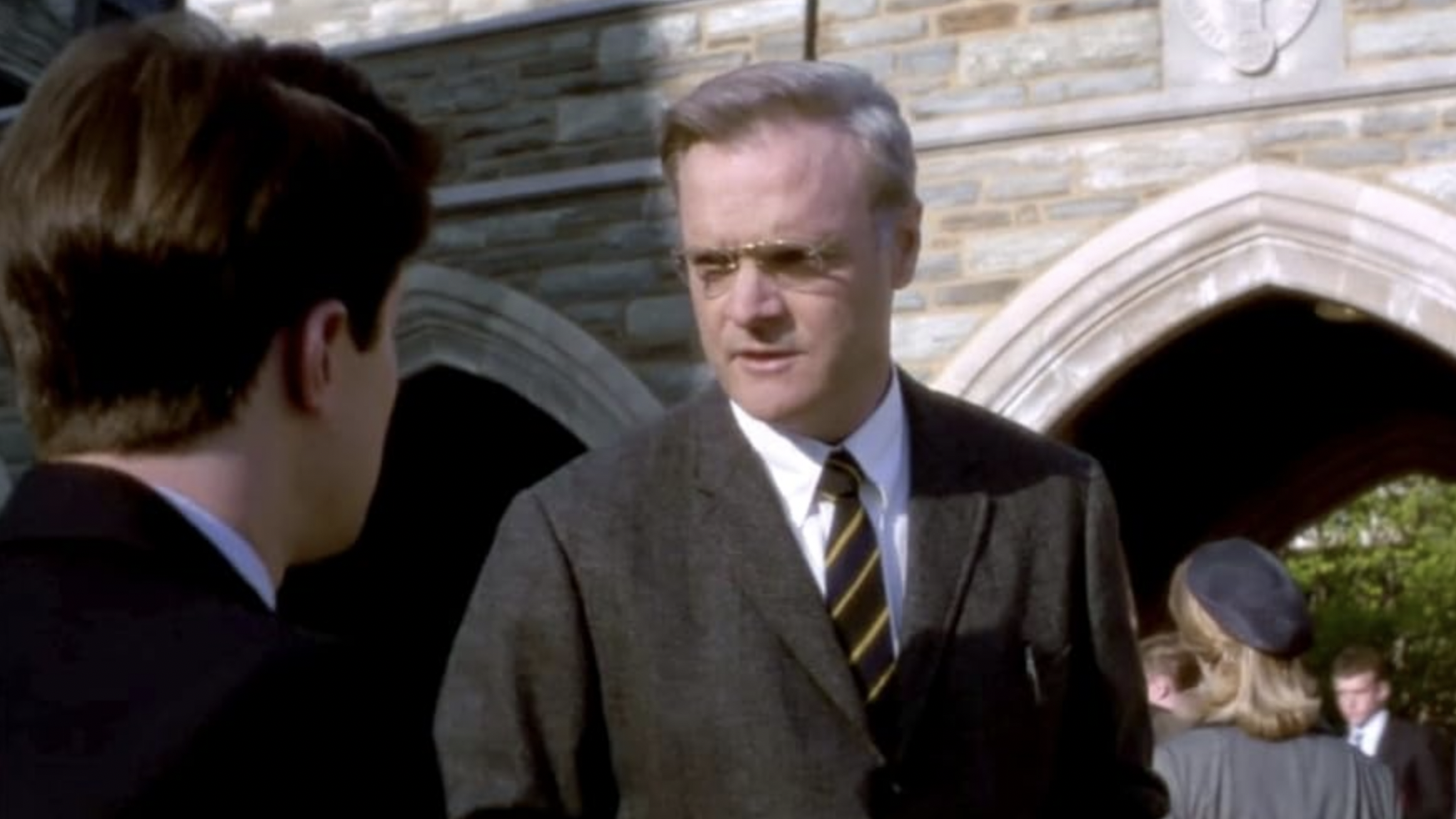
This season was made and released in late 2000 and early 2001. That is significant because that is when the 2000 election happened, and George W. Bush headed a coup to become President. Something about this turn of events seemingly deeply impacted Aaron Sorkin and for some reason made him completely reject the central thesis of season one.
Gone was the call to action to have Democrats act with some balls – instead, those same characters all apparently got lobotomized and decided “We need to become Republicans” if we want to win. It is a total thematic failure of a season, and it becomes a narrative failure as well as the characters get stuck in neutral. They no longer have a sense of purpose beyond to just maintain the status quo. They fall into the classic Democrat trap of becoming less publicly inspiring in the face of electoral setbacks. This thematic and narrative choice is cowardly. And boring.
The season has its strong moments though. Nina Siemaszko’s work as Ellie in her titular episode was excellent. Oliver Platt almost single-handedly salvages the season as the new White House Council who has to deal with the impending MS crisis. But those bright spots are not enough to overcome the sophomore slump this iconic show immediately fell into.
4. Season 3: 9/11
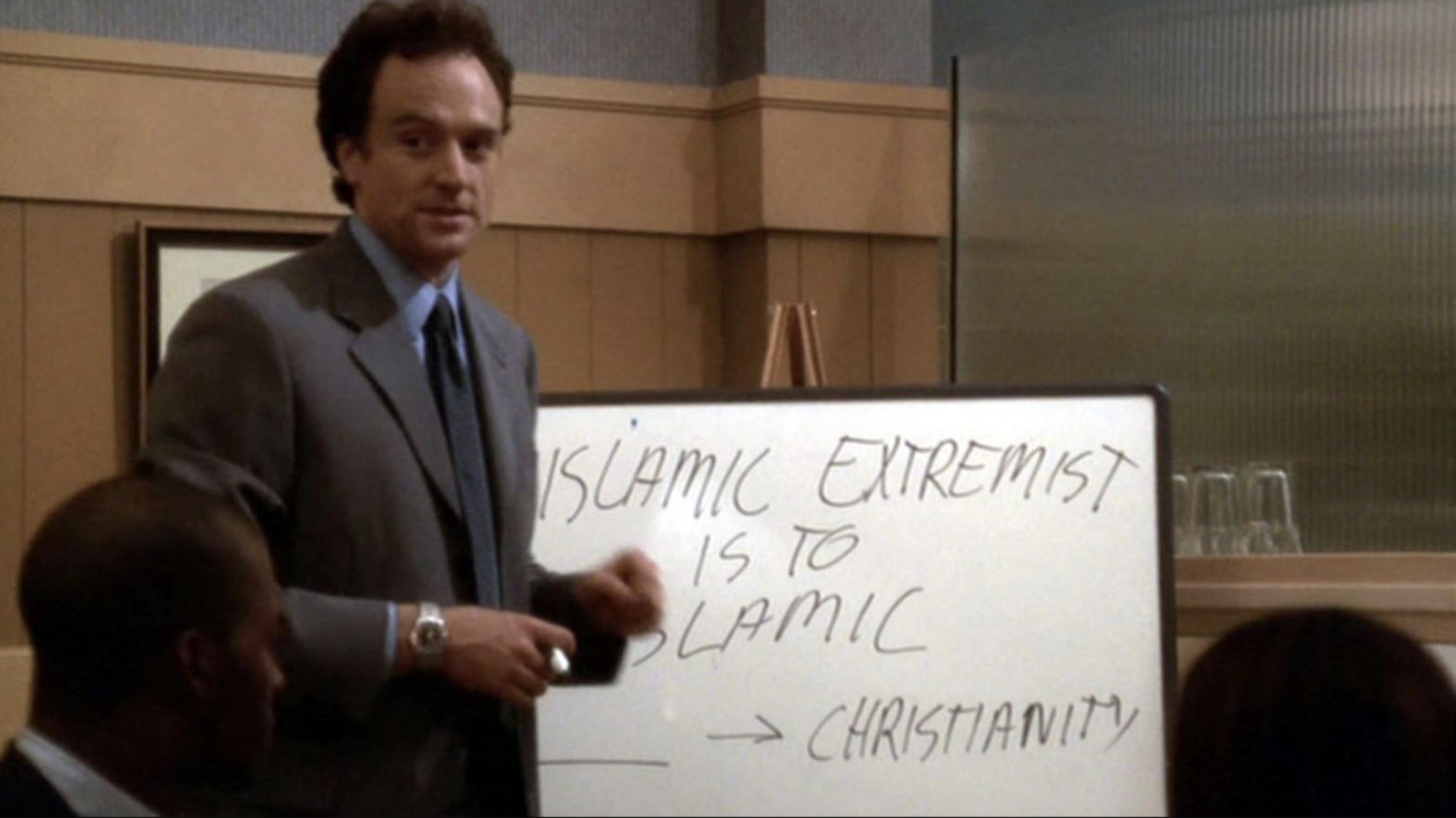
If season 2 was most notably about Aaron Sorkin being broken by George W. Bush stealing a POTUS election, season 3 was most notable about Aaron Sorkin being broken by 9/11. The show just gets unforgivably racist in regards to Muslims and middle eastern countries, and the show does so much “national security” storylines that are so condescending. I could talk about some other stuff from this season (and there are some excellent moments), but it eventually got to a point where it felt like nothing else mattered.
A couple of odd notes about this season:
In 2020, Aaron Sorkin and the cast got together to promote voting by recreating the episode, “Hartsfield Landing,” as a filmed stage play. Sterling K. Brown played the John Spencer (RIP) role (Brown was horrific but forgivable). I was really fascinated by all of the old television shows trying to COVID episodes in 2020. And this was the most elaborate and ambitious.
Season 3 also started with the only non-canon episode of the show. Sorkin made an episode in response to 9/11. The events of the episode were never referenced again. The episode is most notable for while being insane and a proto-post-9/11 racist television episode. The episode also features token “do not be racist to all Muslims” rhetoric that the world still required at this time. The latter would not last for much longer in the country.
There is also a weird documentary episode where they talk to real White House workers and former presidents.
3. Season 6: Lifeline
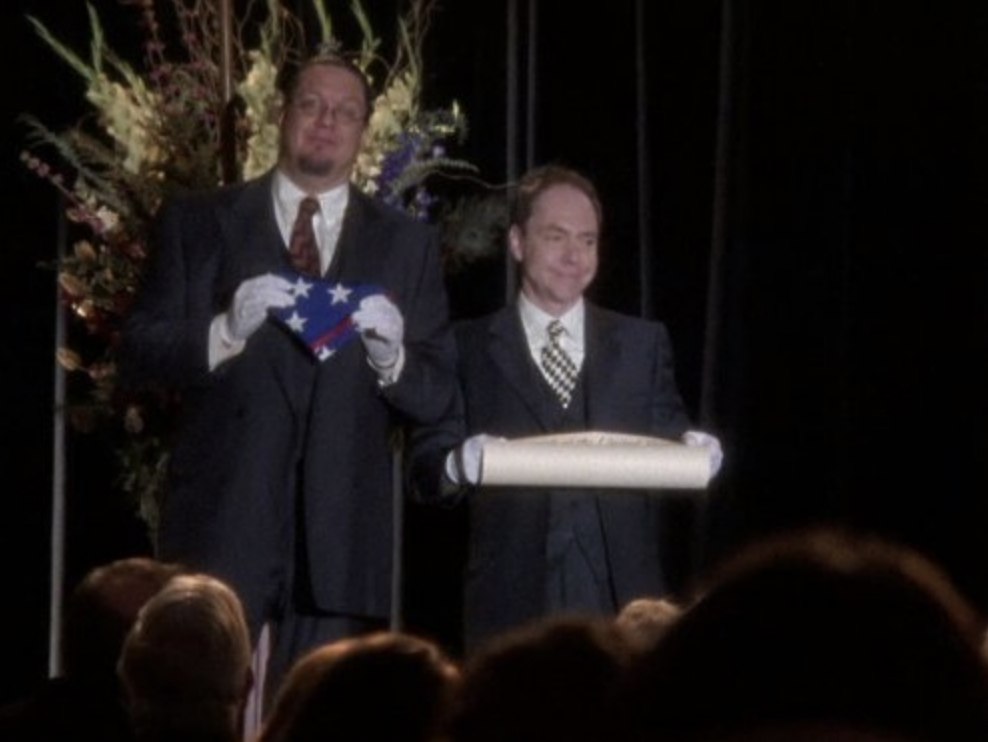
Season 6 gets off to a horrific start that makes you feel like the show is completely dead in the water. Between trying to solve Israel and Palestine in ways that are both paternalistic towards Palestinians but also depressing when you consider how much further to the right the status quo has shifted since this season in real life. Then there is the cartoon manner in which Leo had a heart attack. It was like he was having an exorcism and then sat in the woods for twelve hours before anyone found him. Lunacy.
But somehow the show rebounded. The biggest key to the show bouncing back was starting the Democratic presidential primary in earnest. If the show phoned in the Bartlett reelection, they wisely well all-in on the elections in the final two seasons of the show. It was an injection of adrenaline for a dying show. Jimmy Smits and Alan Alda were electric. Tim Matheson coming back was a stroke of genius. Ed O’Neill and Gary Cole did their jobs well. It was great. (The second key aspect of the show’s turnaround was the return of the M.S. as a major story.)
You essentially never see a long-running show completely bottom out and embarrass itself for multiple seasons only to rebound at the end and get the magic back. But The West Wing managed to do just that.
2. Season 1: “The party’s over, folks.”
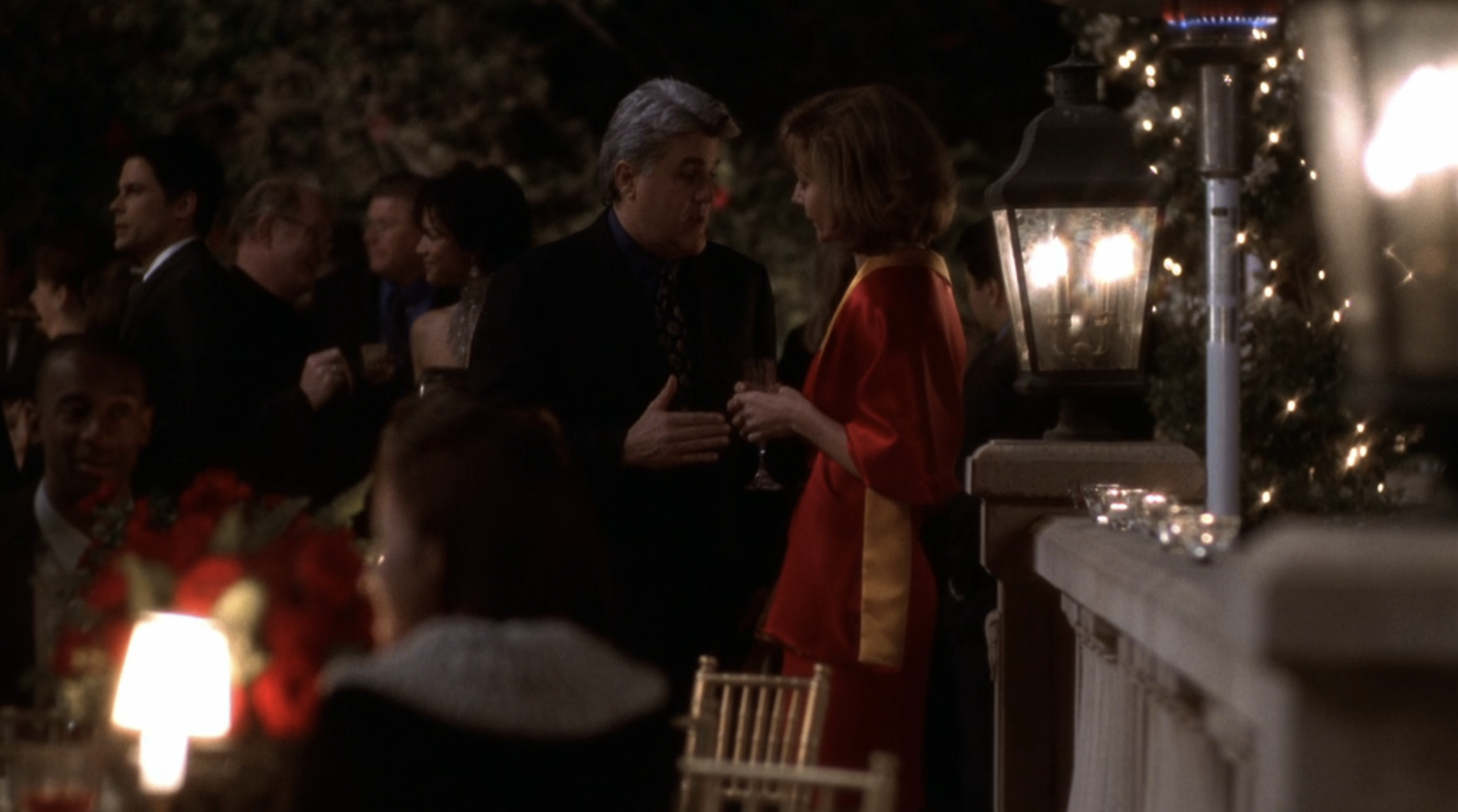 Season 1 is a brilliantly crafted season of television that is utterly fascinating to watch on a number of levels. I am going to start with the two lenses that have discussed in depth in regards to Sorkin: the writing about women and Black people. There is this incredible tension in this season where Sorkin is simultaneously interrogating his own writing and pointing out the sexism of the characters…but then proceeds to do some of the most condescending writing possible anyway. That somehow pales in comparison to how condescending the writing of Black characters is in the show though and the way Sorkin tries to preemptively argue with the critics over the decision to have the only main Black cast member to be the bag man of President. Truly deranged stuff.
The next lens is the position of the Democratic Party. Much has been written about how this show is a fantasy or inspirational show for Democratic Party operatives. Even more has been said to mock those who responded that way to the show in the ensuing years. But I will point out – not necessarily in this show’s defense – that the central political thesis of this first season is that Stick-In-The-Mud/limp dick shit will make the Democratic Party irrelevant in the minds of the voters, and voters rather see the Democratic Party act like they have some balls because their ideas are better. Somehow thinking like this makes you an outsider in today’s Democratic Party.
Finally, it is utterly impossible to not recognize how much of a pre-9/11 text this is. There are so many small moments and moments in passing in this season where you see a show that is in tension with the United States being an empire. There is some tacit acknowledgement that the number one job of the President is empire maintenance. It is at times begrudging, and there are moments that reveal that there are questions about this. It stems from the classic viewpoint that the CIA was once making Bad Choices and is now making Good Choices and stuff like that. Nothing is going to meaningfully come from this, but it is interesting all the same.
1. Season 7: What’s next?
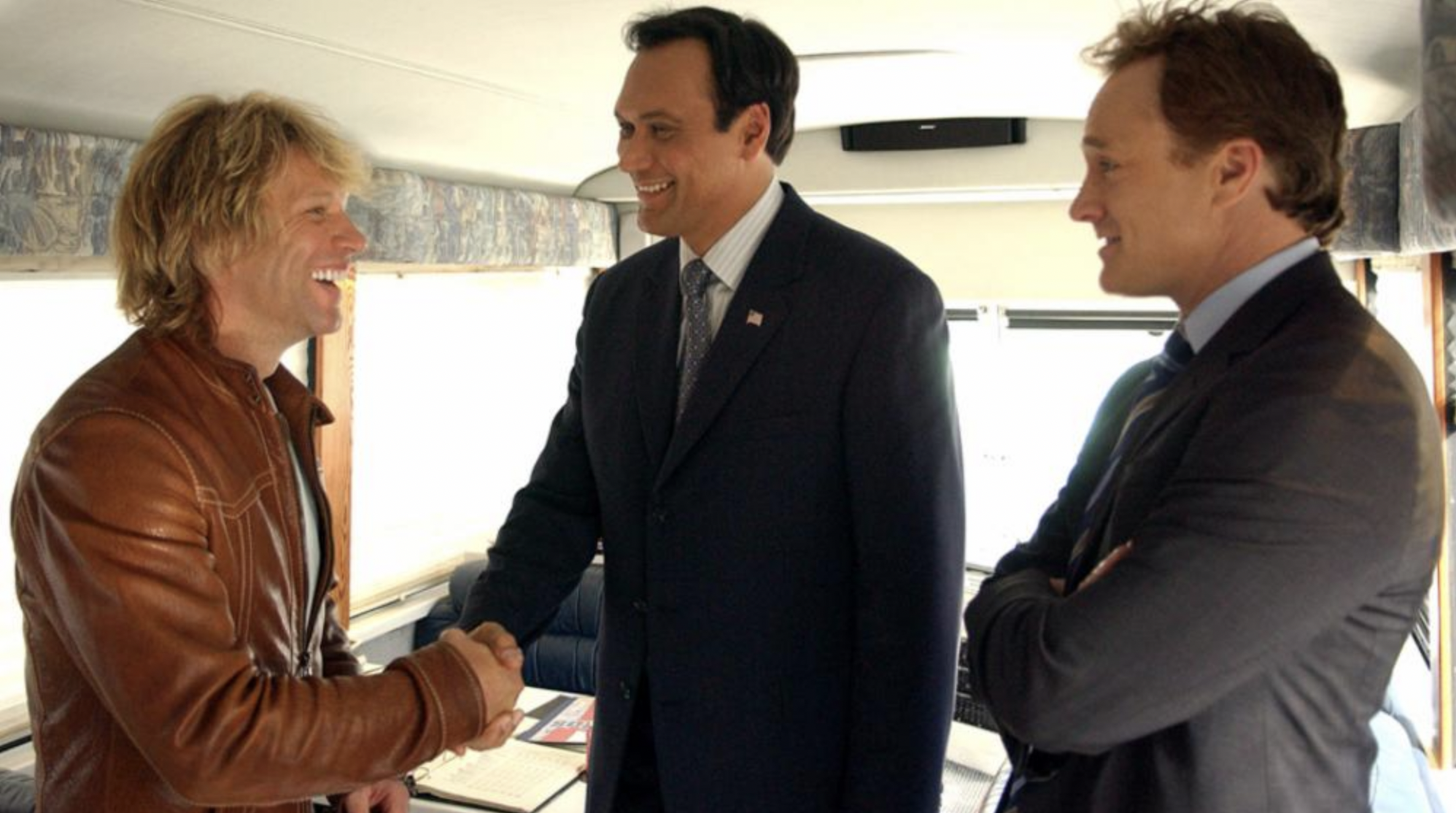
Unapologetically, the final season of The West Wing is my favorite season of the show. The show finally settled into what it should have been doing all along: pedal-to-the-metal election shit and a White House trying to navigate multiple crises at once (and the inevitable intersection of those two things). Before Aaron Sorkin left, the show (even when it was great) was so much less fun than this season. Jimmy Smits and Alan Alda were just electric in their roles, and it was as compelling as anything the show ever did. The endgame gave a sense of urgency to the other characters as well. If television is not going to be art, it should be fun. This was by far the most fun season.
 The Reel World