Still Need to Watch: Namibia: The Struggle for Liberation (if you have access to this film in any way, please let me know! mcthomas216@gmail.com)
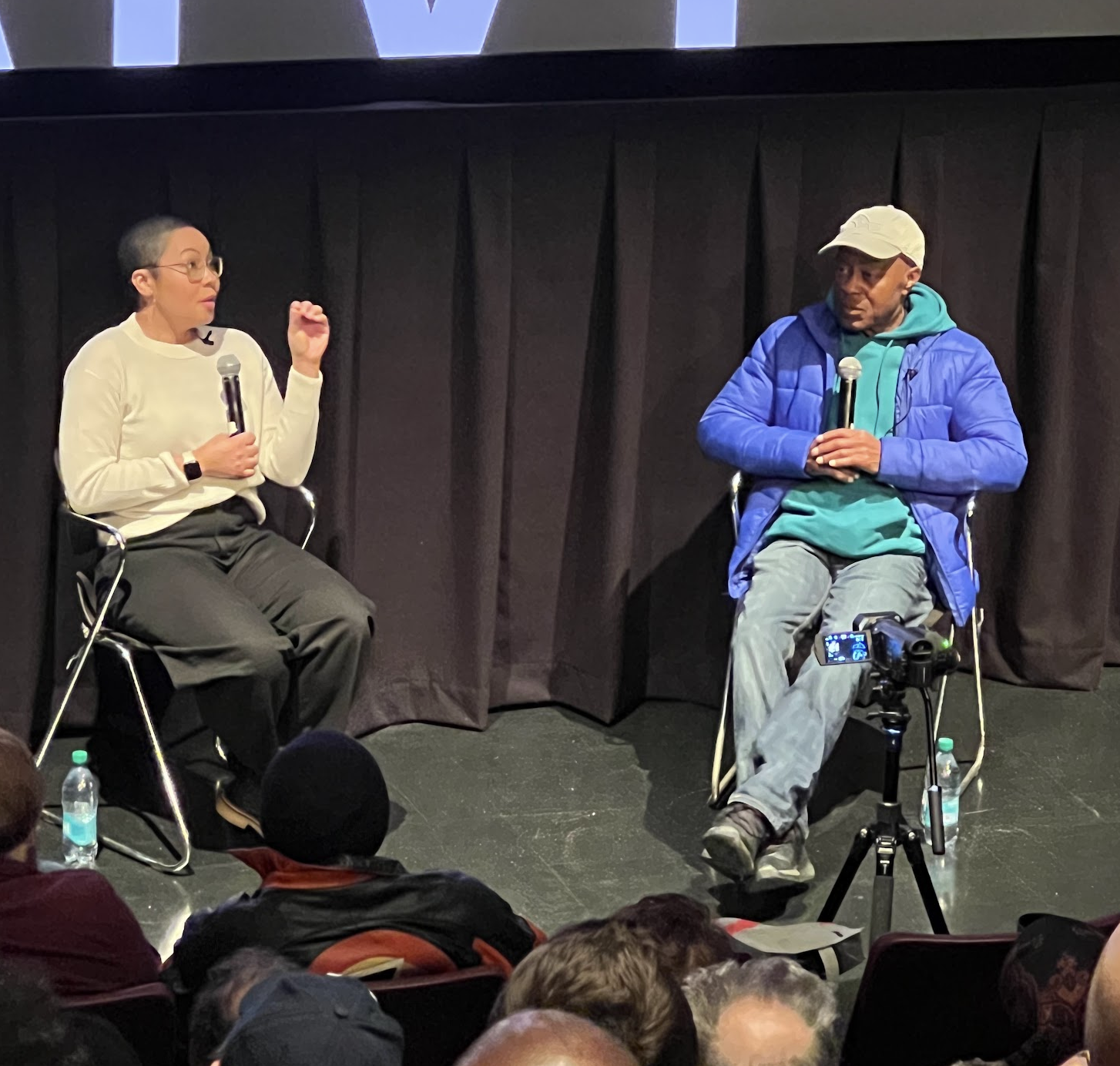
Charles Burnett is one of the greatest American directors ever. It is a crime that he has not received funding to make whatever films he wants as often as he wants. You owe it to yourself to watch his films if you have not already.
6. The Glass Shield [1994]
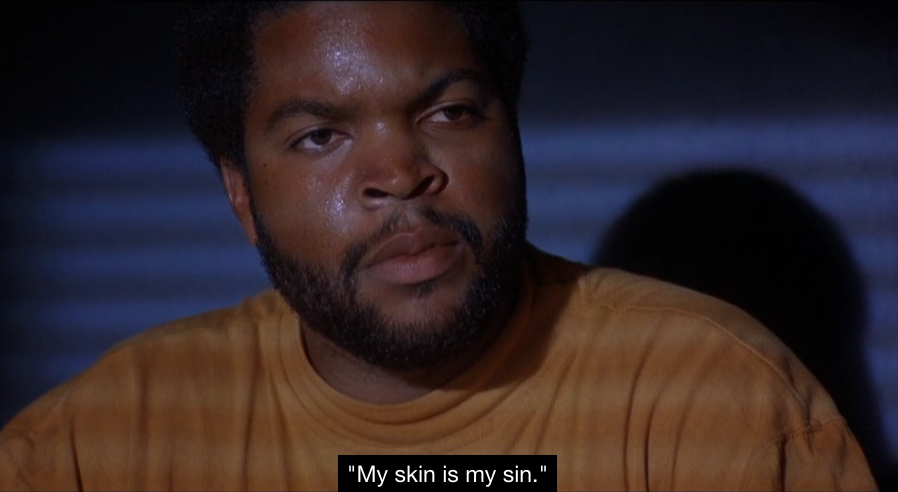
This is a very fine protest novel film that explores a really important concept: you cannot fix policing. You cannot put a Black face on policing to make it a positive for for humanity. It is a system designed to oppress. That is all it can ever be.
5. My Brother’s Wedding [1983]
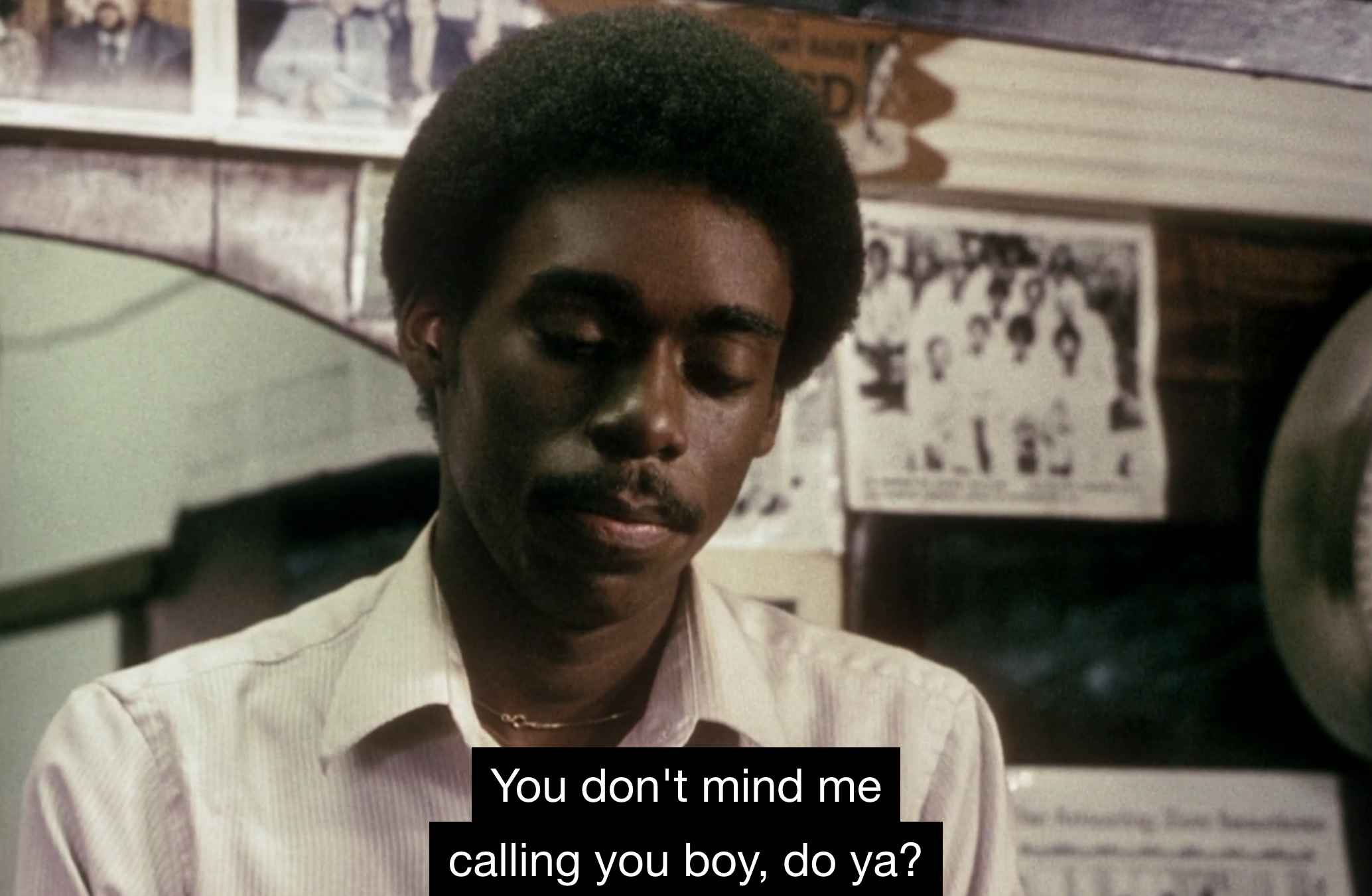
Charles Burnett’s second film is devastating. Burnett specialized in his ability to demonstrate how the institutions of the United States set up Black people to fail in uniquely tragic ways. This film shows how few paths Black people are allowed to take in this land. The main character has “no direction” in life. His brother is marrying a rich Black woman. One of his best friends is coming back from prison. There are no economic opportunities for the vast majority of Black people. You can sell out and join the system that put Black people into these layers of oppression. Or you can try to take shortcuts that will more than likely place you into the New Jim Crow system. I am not sure how any Black person resists Afropessimism – all the evidence that our eyes can see supports that framework.
4. Killer of Sheep [1978]
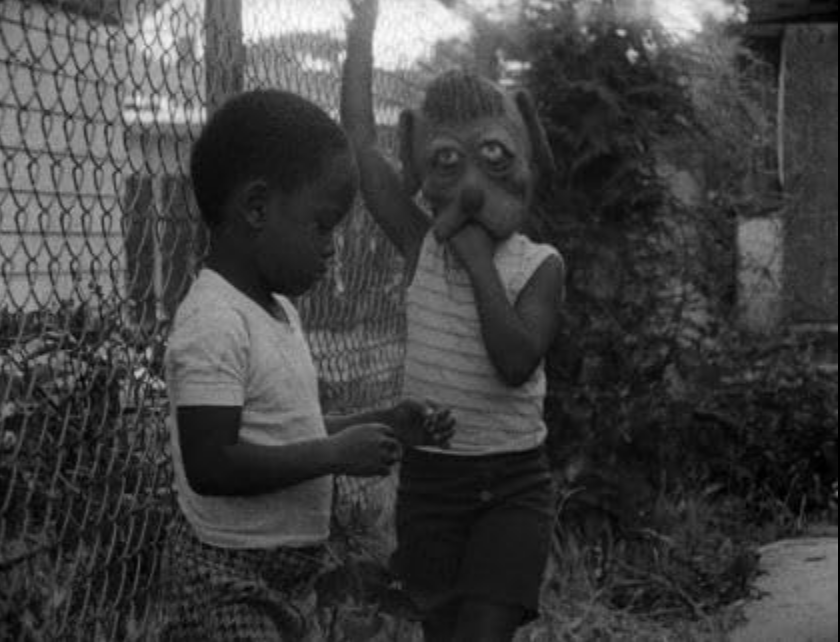 Some films carry a reputation that seems virtually impossible to live up to in so many ways. What can you ever say about the confidence behind and in front of the camera here by such a young Burnett. This is a man who, based on the results, had the clearest sense of what he wanted to show you and how he wanted to show it. This country has set up black people for failure in countless ways for quite literally four hundred plus years. There is no evidence around that suggests that it can get meaningfully better – and that must be maddening.
3. The Annihilation of Fish [1999]
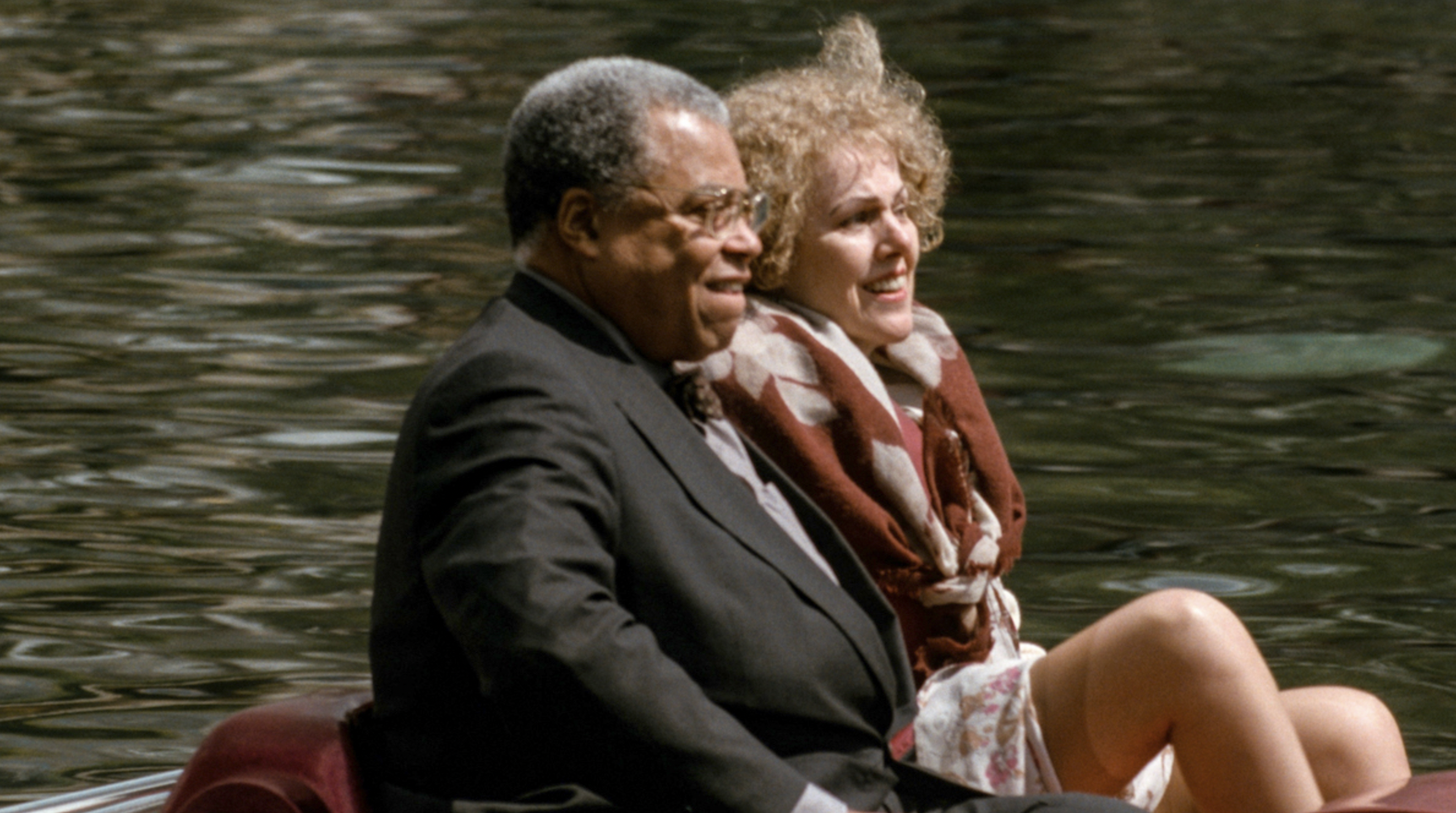
Originally set to be released in 1999 but then lost for over 25 years, Charles Burnett’s one straight-up comedy (and a rare film he did not write himself), finally has been been unearthed and restored. It is an insane film in the best way possible. It is also a film in which the margin of error for success is impossibly small. And yet leave it to Charles Burnett, James Earl Jones, Lynn Redgrave, and Margot Kidder to pull it off.
The basic premise of the film is that two incredibly lost souls (Jones & Redgrave) – who have no one in their lives – find each other at the very end of their time on this planet and build a connection and relationship. The way in which the film characterizes the two leads is utterly fascinating though.
James Earl Jones at first seems like a punchline as a human being as he spends most of his time literally wrestling an invisible demon that he insists is real and just in general often comes across as an absurd fool. It feels reminiscent to the stereotypical “coon” racist caricature in so many ways.
Lynn Redgrave essentially plays a heightened version of the worst white woman you could ever meet. Sucks up all the oxygen in every room she is in and is terrified of James Earl Jones – ostensibly the sweetest man ever – because he’s a black man.
And what Burnett et co. do though is basically peel back the layers of these characters over and over throughout the film so that both of them become more of a human being and less of just an idea. You come to understand why each of them is the way that they are and their connection feels sweet and less trite. An excellent film.
2. To Sleep With Anger [1990]
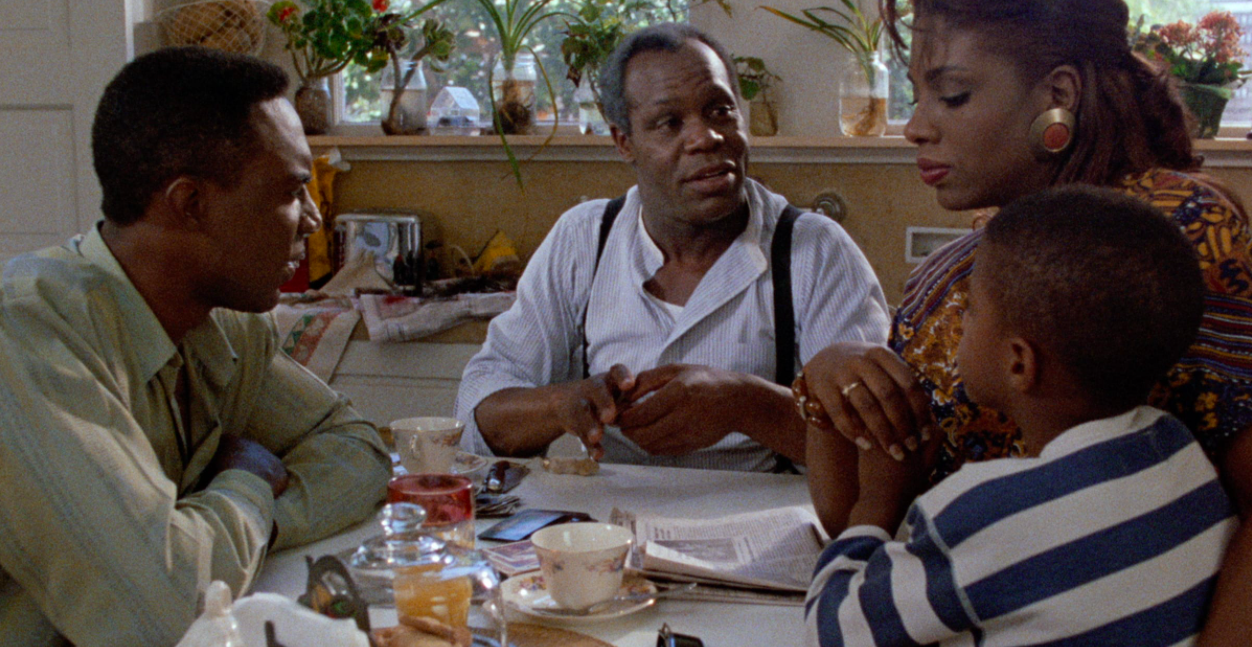
When I watched this film for the first time, I was essentially complete unaware of Burnett and the L.A. Rebellion. That is to say, there are places you can go for better and more insightful analysis of Burnett’s work and this film in particular. To me, the film felt as if the Great Migration was looming over everything. Gideon and Suzie’s family escaped the south and have built a life in a Los Angeles suburb. Danny Glover’s Harry was someone who never left the south and whose sudden appearance seems to disrupt the stable status quo that existed for Gideon and Suzie’s family. That would be reductive though to leave it like that, because in reality if Harry presence did anything it was reveal the fissures present in the family. Which brings us back to the Great Migration. Traveling to the north may have seemed like escaping hell for a potential heaven but that of course was not the truth. The north was just as racist as the south but in different ways. This film is the kind of work that only a genius could make.
1. Nat Turner: A Troublesome Property [2003]
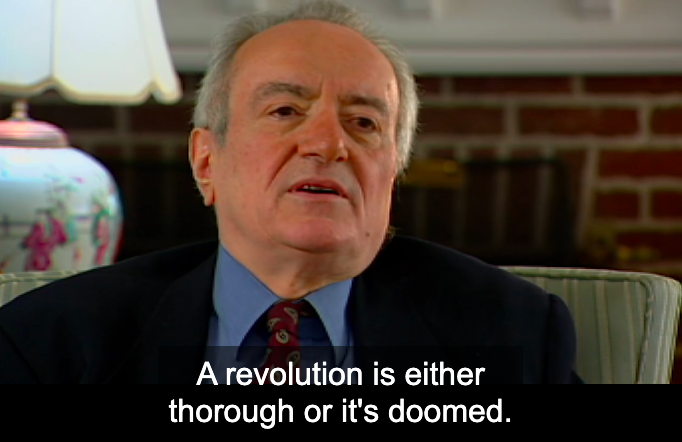
Charles Burnett chose the harder path. Instead of being about the history of Nat Turner, Burnett makes a film about the historiography of Nat Turner’s life. Burnett confronts head on that we simply do not know much for real about Nat Turner – he is instead a vessel for people to push what they want or need him to be. From the moment he was captured, Nat Turner’s story was in the hands of others and first popularly told from a white perspective. We then see how over 150 years later, we still see how the establishment white historian class still cannot reconcile why a slave would kill slavers. We also see in this film how much Nat Turner means to Black people in this film. We see historians and other speaks make the direct connection of Nat Turner to Malcolm X and the Black Panther Party. Charles Burnett at the end goes on camera and explains the need for closure on Nat Turner and how he is aiming to capture all the various interpretations of Nat Turner. But he and his producer acknowledge how then this film they are making are its own interpretation. The film indirectly ends in a place where the audience is forced to sit with and confront the fact that we can never really have full closure on the story of Nat Turner because we will not really know. The film then directly ends on the note that as Americans, we really need to settle on how we feel about what he did. Are you a revolutionary or are you not?
 The Reel World