It took me a long time to finally watch The Shield in full. A decade-plus ago I had dipped my toe in the waters but did not get in. I heard all the praise from all the credible sources. I knew I had to get to it. And I finally did this year. I am delighted to report that the show is as good as people say.
7. Season 2: Chips Down
The transition from season 1 to season 2 saw these cynical characters pushed into corners – and season 2 has them show who they really are. There is virtually no one here who is shown to be living up to their own ideal self-image. These are selfish people in a system that rewards protecting yourself and not the people. This is a system that protects itself and not the people. In other ways though, the show felt like it was spinning its wheels and did not have a concrete vision for everything they wanted to do with the show. They had found money at the beginning with Danny Pino’s Armadillo Quintero big bad. It was a fantastic characterization and a proper opponent for Vic Mackey. But then the show wrote him off with a wet fart after writing themselves into a corner. This felt like a true missed opportunity.
6. Season 6: Everything Comes to an End
 The penultimate season of The Shield is an abbreviated ten-episode season that is centered primarily around the fallout of Shane’s decision at the end of season 5 to preemptively kill Lem. Killing off Lem felt like an endgame signal, and I was a tad surprised to see it happen with two full seasons left to go. Naturally then, season 6 actually feels more like the first half of the show’s final arc.
There is a sense that there is a countdown on until our main characters meet their doom. While Vic has wriggled free yet again when the walls seem to be closing in, there is an undeniable sense that he will soon be out of tricks. His desperate plan by the end of this shortened season is chase corruption up the ladder – this plan is clearly too big for him. And Vic’s escape, Shane’s stay of execution, and Acevedo’s latest brush with a career-ending-scandal may have been delayed, but you can tell they will not be denied much longer.
This season is also interesting in different ways. The supporting characters all feel sidelined in various ways with everyone seemingly getting a token appearance if not a storyline/arc. Even CCH Pounder feels off to the sides despite finally being in charge of The Barn. The show also skipped a lot of steps with the plot in ways that felt jarring compared to previous seasons. These are not bad changes, but they did feel notable enough to warrant a mention.
5. Season 3: The rape season
 If season 2 was about the show pushing the characters to their limits, the show this season decided to push itself to its limits of good taste. This was a season just absolutely dominated by stories of rape. I frankly do not think I have seen any show so preoccupied by rape for such a sustained period of time. The most notable was very obviously about Acevedo getting raped about halfway through the season. Overall, this season was close to the quality of season 2 but probably gets a bump for not just feeling like so much of a retread of season 1. However, there is a limit, and this came very close to going into the Sons of Anarchy zone which is a zone you never want to be in.
4. Season 5: The Forest Whitaker Kenny Johnson Season
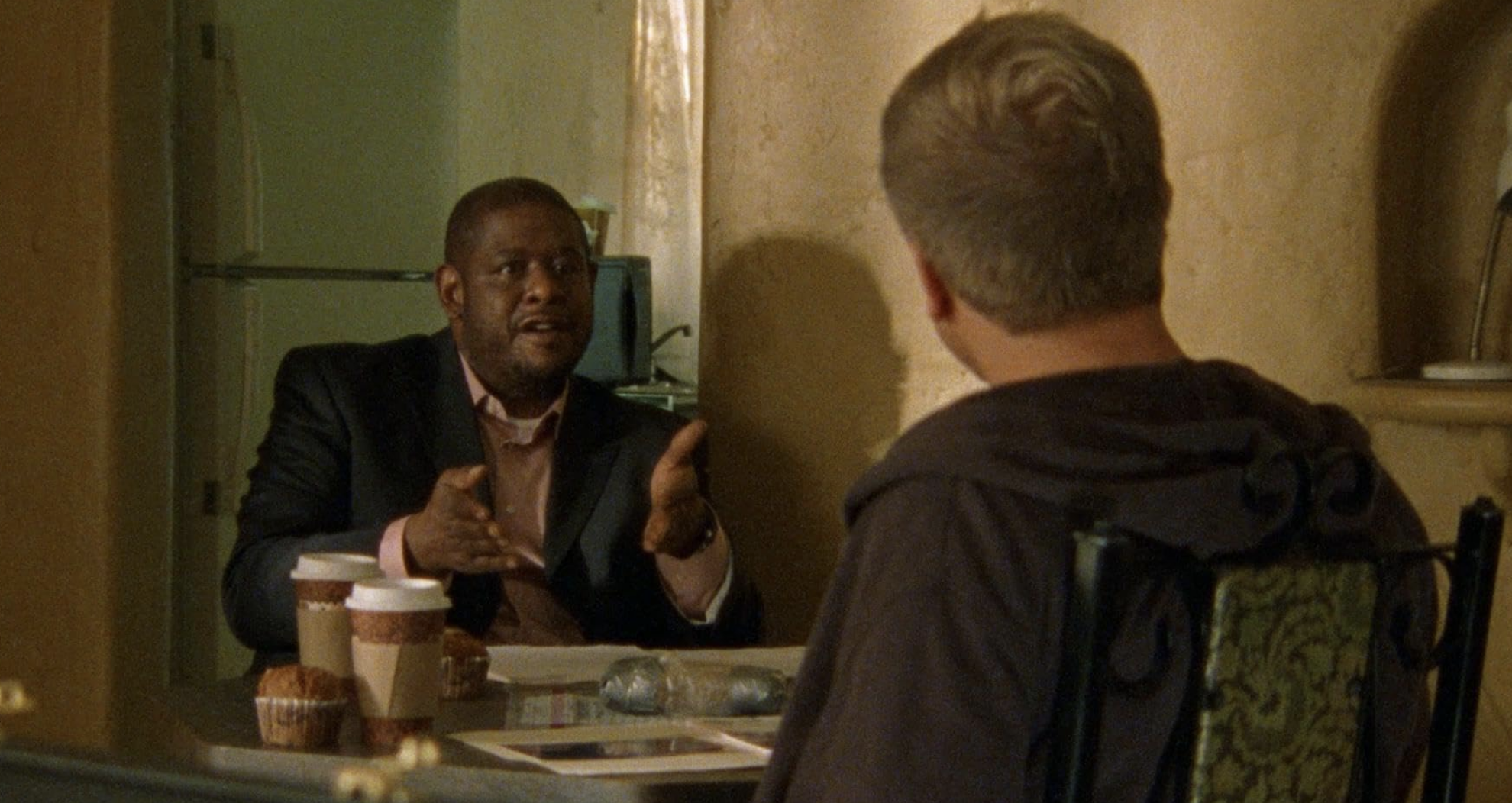
After having so much success with bringing in Glenn Close as a ringer in season 4, it was natural to all over again with a fresh face. Enter Forest Whitaker in one of his most insane performances. His IDA character going after Vic and the strike team is probably the Most Kurt Sutter character that there has ever been.
The show was falling into two narrative traps by this point. First, there was the sense that the show kept writing themselves into corners but finding ways to revert back to the status quo. Second, they were making the antagonists to the horrid cop characters so cartoonish-ly evil. Both options felt like artificial methods of extending the show and delaying a natural conclusion. The latter issue was still at play here, but the former issue was resolved by making this scene all about building to the death of Kenny Johnson’s character. He did such a great job in his five seasons on the show. He was by far the most empathetic character, as you realized he is kind of intellectually dumb but emotionally smart. It has led him down this road he cannot get out of, and he just wants it all to be over. His death at the hands of Walton Goggins is the perfect moment to pull together so many threads. Whitaker’s derangement, Benito Martinez’s selfishness, and all the sins of the strike team come to a head here. And it is the biggest moment yet so far in the show.
3. Season 7: “How did this all happen?”
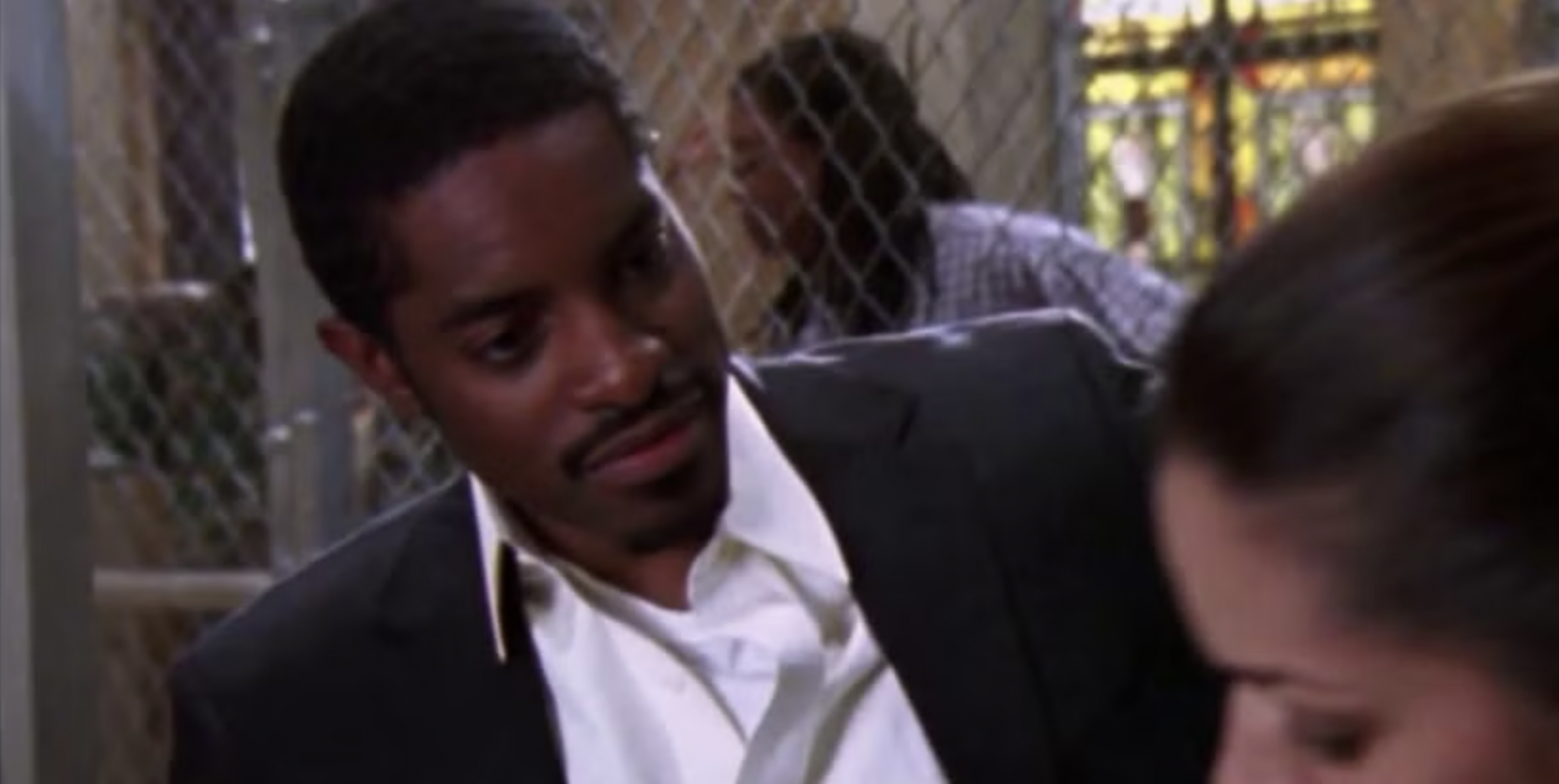
The final two seasons of The Shield feel so distinct from the rest of the show in a truly fascinating way. They essentially function as a two-part serialized end-game. The fallout from the murder of Lem pushed the show into the corner that they could not back out from in any way. The one downside of this scenario was The Shield (and its bastard son, Sons of Anarchy) really tried to delay payoffs as much as humanly possible.
It made thematic sense with The Shield to construct the show in this way because the central premise of the show was Vic Mackey doubling down over and over again. The show was simultaneously doubling down over and over again that these continuous delays would lead to a worthy conclusion. The show’s finale was a huge bet, and the show won big.
I could break down the whole season – but honestly, I instead just want to take a moment and join in with everyone else and say that the show’s series finale is one of the most satisfying episodes of television that I have ever seen. Whatever you imagined was going to happen at the end was blown away by what the show came up with. Vic Mackey has always seen himself as a hero, and his inability to recognize that he is a cowardly villain cost him and his friends and his family everything. Every emotional, thematic, and narrative beat the show played in that finale felt like pure genius in a manner that you rarely see in television. Visually, television is always inherently going to feel small in scope, but the show managed to hit highs in this final episode that felt like the stuff of cinema. That is nearly impossible to accomplish in this art form but they pulled it off in a shockingly organic manner. What an end to a fantastic show.
2. Season 4: The Glenn Close and Anthony Anderson Season
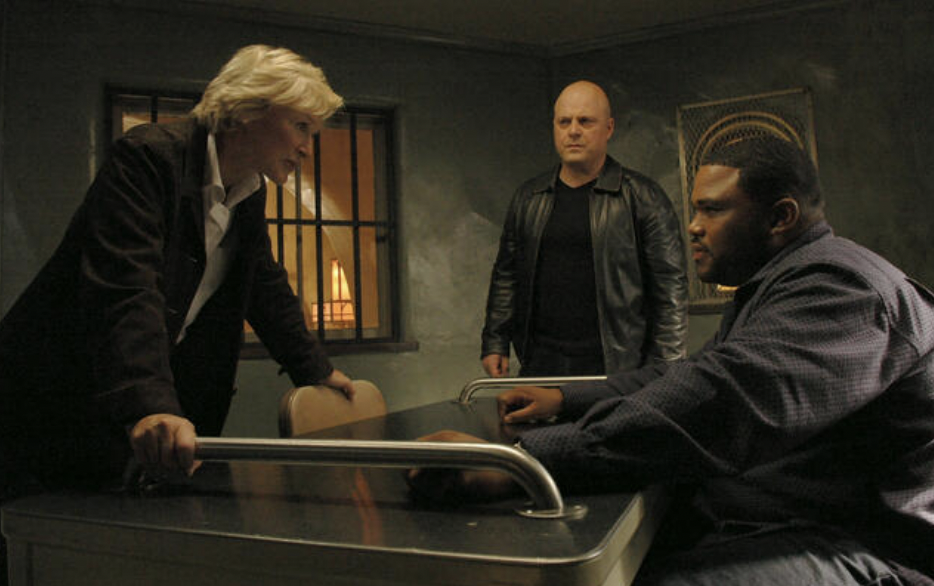
It’s hard to believe, but movie stars used to not ever pop up on television. And if they did, that meant they failed as movie stars. Glenn Close (and to a lesser extent, Anthony Anderson) was a film actor! Why was she on television?? (Steve Buscemi on The Sopranos the previous year also feels relevant to this discussion). Now, MAYBE they would do a special guest star appearance. Something that would be wrapped up in said-episode. Close and Anderson feel like that in this season but for a whole season. They are ringers brought in to make the characters feel more significant. Close is Vic Mackey’s new boss. Anthony Anderson is the new drug lord the cops are targeting. They do a good job with Close to make it seem like her character is three-dimensional. She is a different kind of dumb cop. In a critical scene for understanding the POV of the show, when Close takes over she gives a rousing speech to the cops in the Barn. She explains all the societal problems disproportionately impacting the impoverished communities of color that these cops have power over and that how the cops cannot do anything to fix the problems. But they are going to go out there every day and do police work! Then everyone cheers, and no one notices how stupid they all look and sound. Close’s genius plan is asset forfeiture aka pillaging the community they have power over. Contrast that with Anthony Anderson doing Fred Hampton as a drug dealer. That is less inspired thematically but compelling and different enough for the show. Incredible season.
- Season 1: “I’m a different kind of cop.”
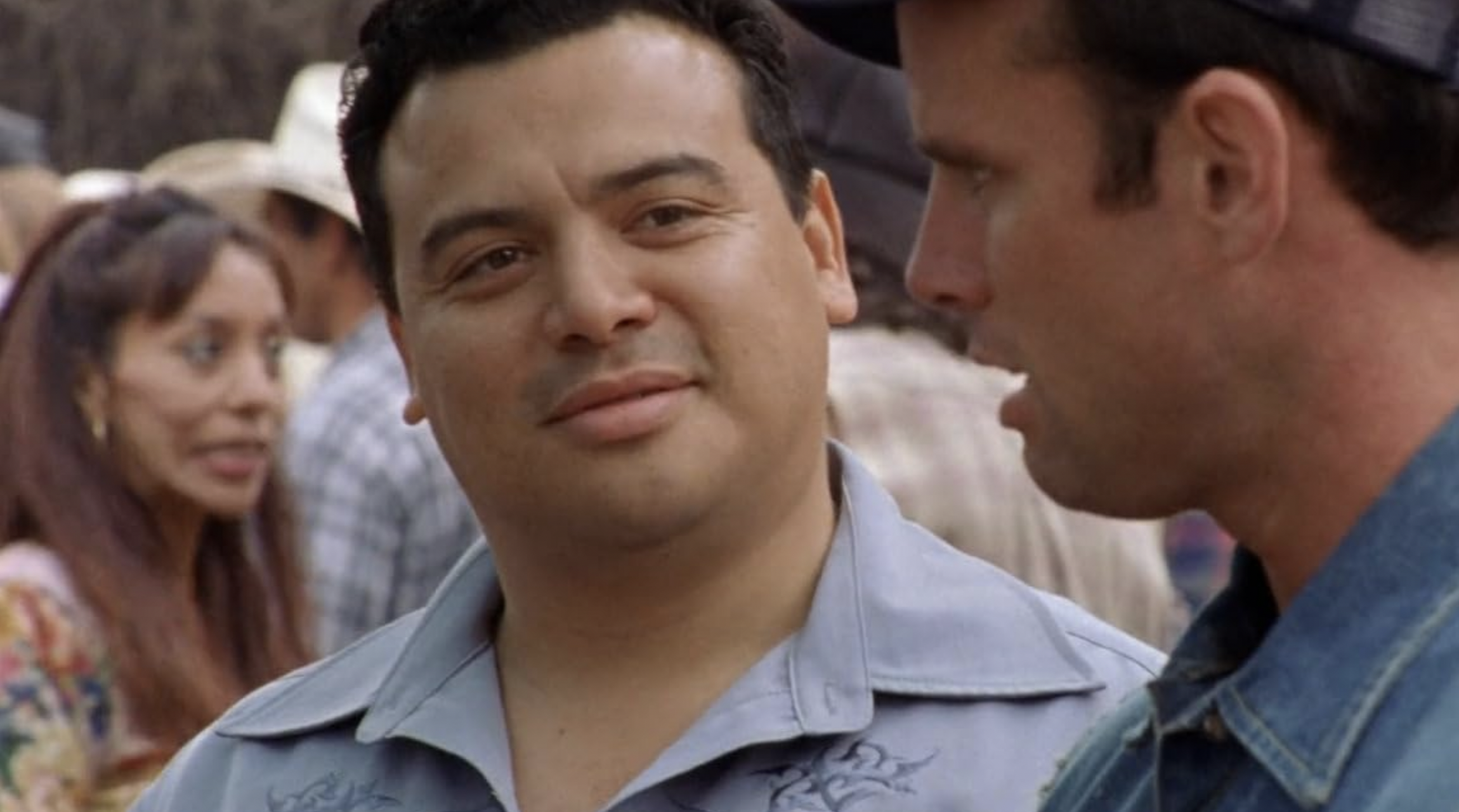
Season One works so great because of just how pitch perfect the Vic Mackey characterization is. Unlike so many other modern anti-heroes, not only is Vic able to convince himself he is a good person, we have been surrounded by a media landscape that assures us that what Vic and everything he does on this show and in real life actually keeps us safe. It gives the show an additional layer to work with here where they do not have to work as hard to make him “likable” because society has been telling everyone for over a century that Vic Mackey is likable. Beyond that, every other character is pretty much perfectly done to create a clear-eyed view of how absolutely horrific and destructive our punishment bureaucracy is to the world. All these cops are so deeply cynical in a variety of ways and contributing nothing and making none of us safer. And they are so convinced they are the world’s biggest heroes. Remarkable season of television.
 The Reel World