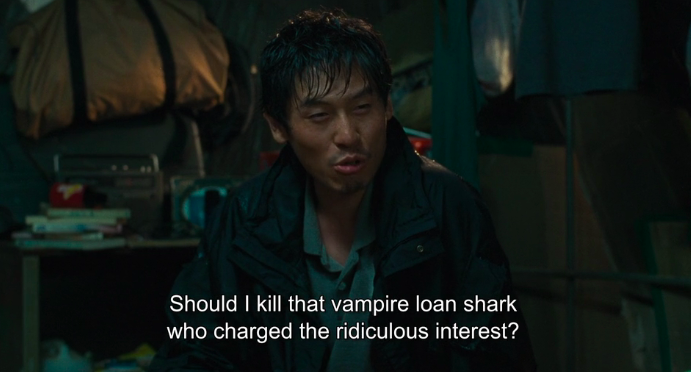
 I am very late to the Lee Chang-dong party, but I am grateful I finally got there. He is a very beautiful filmmaker.
6. Oasis [2002]
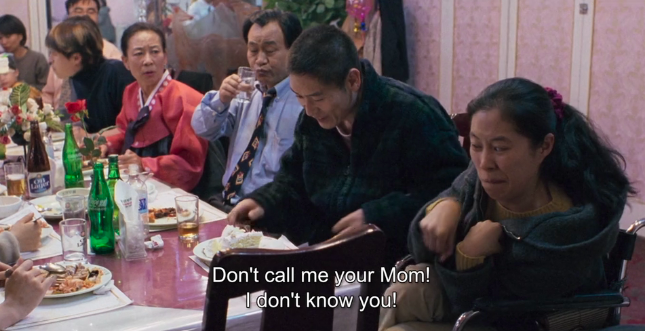
There are kernels of interesting ideas here about how the disabled community is so often ignored, discarded, and just generally dehumanized and mistreated. However, this is a failed protest novel if I ever saw one.
5. Peppermint Candy [1999]
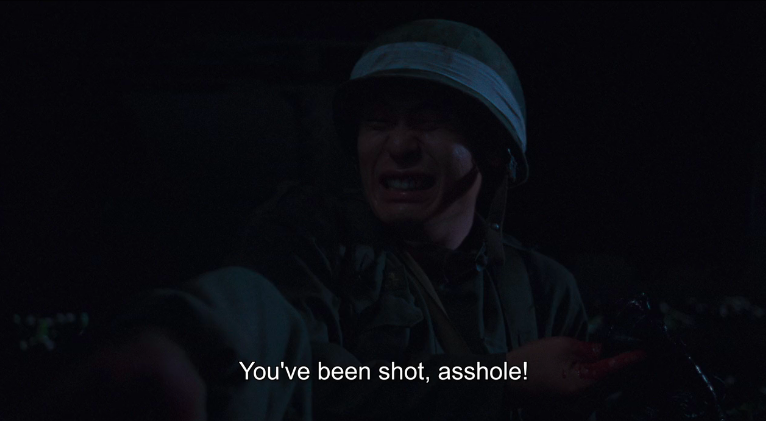
The film starts off with a suicidal man who appears to have finally done it and then his life story is told in reverse chronological order. The key aspect of this opening scene is that he party-crashes a reunion of a group of friends he has not seen in decades. These are people he has lost all contact with, and most of them do not respond at all when he appears to be getting ready to commit suicide. The man is at the end of his rope in part because he has no people. He has not nurtured the relationships in his life. He has taken people for granted. The story being told in reverse chronological order makes this feel like a slow-motion train wreck. It is just devastating.
The story began at the end of his life with a group of people gathering that shows how distant from everyone he has become. The film then ended twenty years earlier at the same site where the film began when he was at a picnic with those same people; he had so much promise. This could have been his life. He instead of fell victim to greed and self-involvement and the shortcuts of patriarchal capitalism.
4. Poetry [2010]
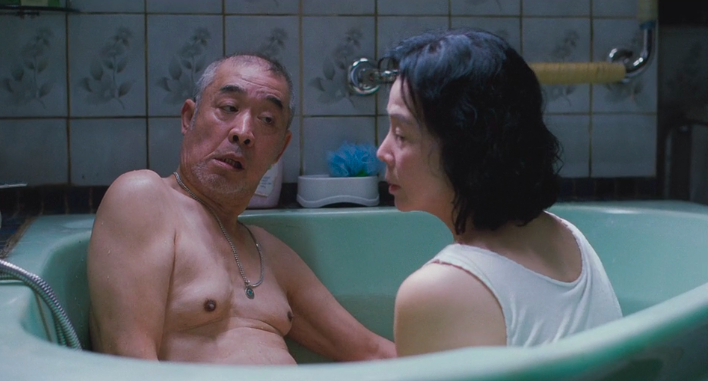
Poetry is such a moving film. The film is centered around a grandmother who is simultaneously just trying to make ends meet, as she raises her grandson by herself. So much of the film is about what happens in a society that does not prioritize the care for its citizens. What happens when the people are just left to fend for themselves and letting the chips fall where they may? In a patriarchal society, that often leads to great spiritual damage to the men and mortal damage for the women. Her grandson seems to have taken part in a gang rape of young girl. The girl kills herself physically, and the boys’ souls seem missing. There is nothing to suggest that anyone is serious about reckoning with what has happened and what it all means. There is a cold and calculating response from the parents of the other boys. This grandmother is adrift – and so she seeks to try to make meaning of life through poetry. To some, that may seem irrational. But in a world where life is taken for granted, what more powerful way to try to make sense of one’s own existence than to try to create art?
3. Green Fish [1997]
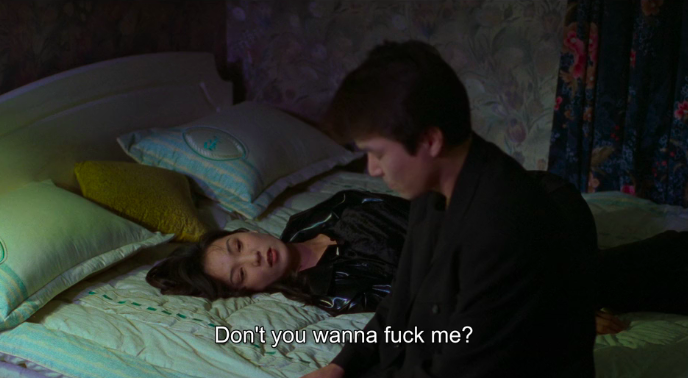
Lee Chang-dong’s first feature film was incredibly impressive. You get the feeling he already knew what his key themes in his work were gonna be from this first film, and he also clearly had a strong visual sense from the jump. You have a woman trapped in patriarchal capitalism looking for independence. You have men suffering under the boot of the same system but in a different way looking for direction and validation. These two paths often intersect and lead to so much pain. That pain is better captured in the actual acts of physical violence committed throughout; these scenes are brutal for how they show non-cinematic violence really is. It is awkward and uncomfortable and not at all sanitized.
2. Secret Sunshine [2007]
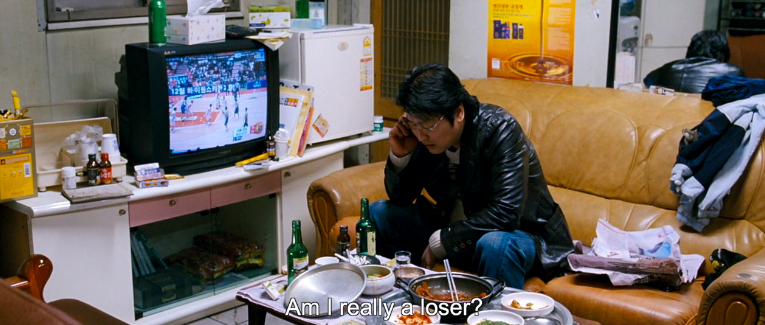
This film really came out of nowhere for me. The way it started made it seem like it would be a quiet and contemplative film about a widow dealing with the grief of her husband (and father of their child) by moving back to his beloved hometown. There were some quirky-ish local characters. The widow was trying to make a new life for herself and her son. Business as usual. Then her son is kidnapped and killed shortly thereafter. It becomes clear then that this film is much more an exploration of how much of life is built around exploitation. This is a society that exploits the vulnerable whenever possible. Men exploiting women. The religious exploiting the weak and traumatized. Scammers exploiting everyone. We have built a society where everyone must be on guard at all times. Or you’re next.
1. Burning [2018]
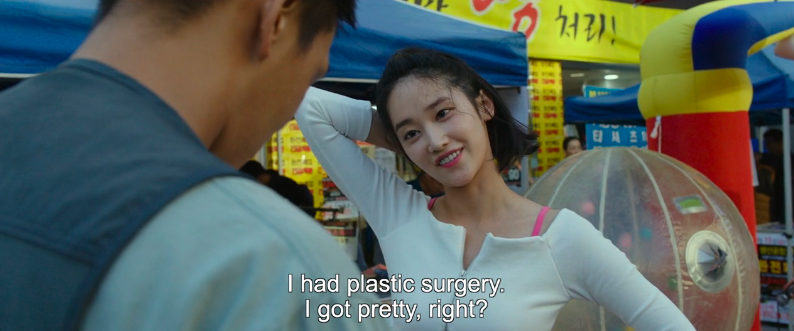 I came into this film completely blind with no real expectations of how much I would like it nor what it was really about. It was immediately jarring a few minutes to discover that the second main character was a **extremely reductive voice** manic pixie dream girl. That of course is a mostly dumb and useless label, but it was undeniable that is where my mind went. Just because that is where my brain started though does not mean I need to merely settle for that surface reflection. Because that character and all three main characters in fact were “manic” and “pixie” and whatever. Because really what we mean by that is all three characters are lost in the world, still figuring out who they are, and making seemingly random choices at given moments that can be perceived to be enchanting or frustrating to the eye of the beholder. And to our main character, Lee Jong-su, he sees Shin Hae-mi as a dream. What a more fully formed adult would recognize as chaos and needless drama in one’s life, he sees Hae-min as the one thing that would validate his existence. Because Jong-su is so insecure and prone to jealousy, he is susceptible to the all-too common situation of extrapolating moments into a distorted imagination that does not reflect reality in any way. And in that way, he is a walking time bomb. This is a very strong film and a great way to get introduced to Chang-dong.
 The Reel World