Still Need to Watch: The Wedding Party, Dionysus in ’69
Brian De Palma is one of the greatest directors ever. After years of dismissing him out of hand due to a bad early impression his films made on me, I have thankfully and finally re-visited him and seen the light. He has made some of the most sincerely fascinating and compelling films that I have ever seen.
28. Home Movies [1979]
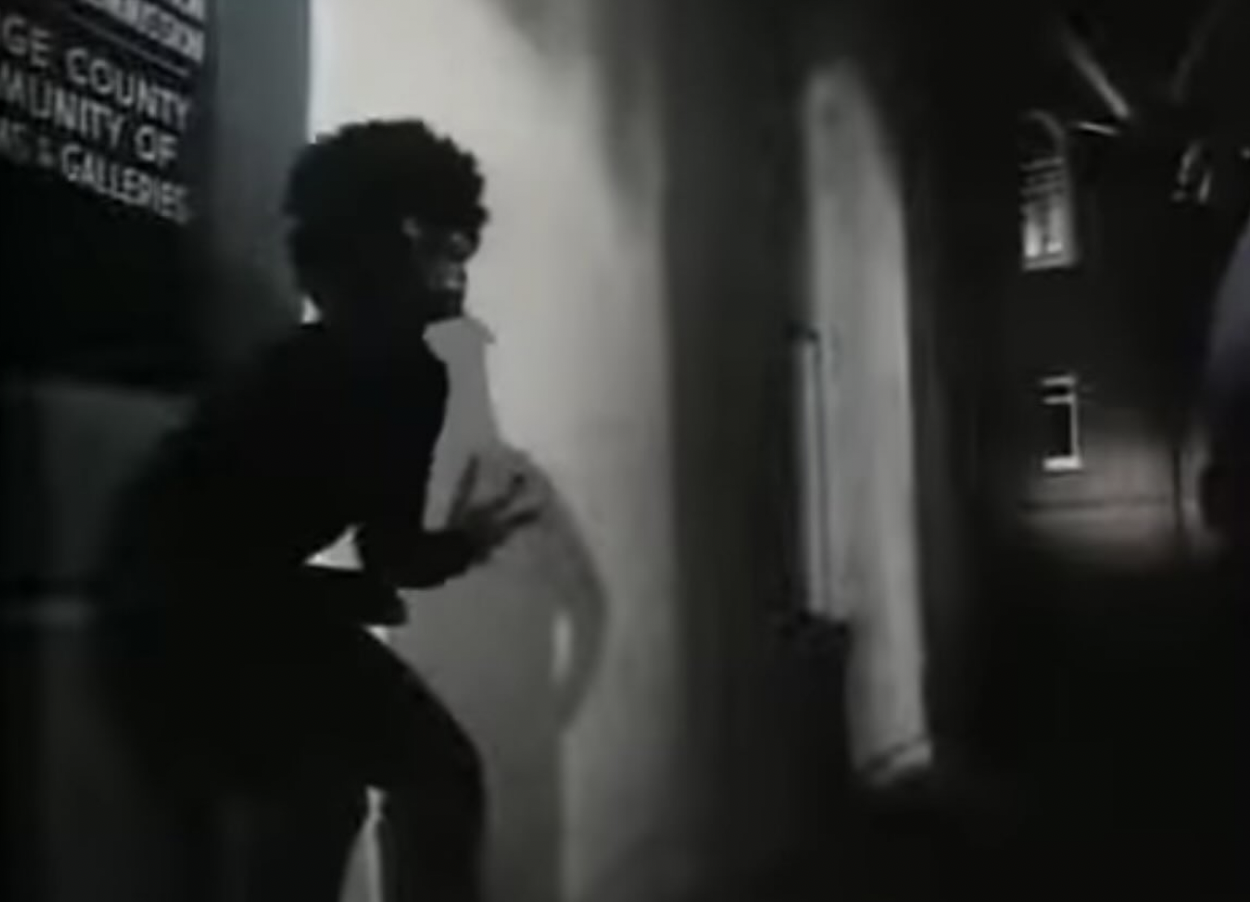 Professor Brian De Palma challenged his students to make a movie, and he oversaw the production. And wouldn’t you know it, but this film feels like a combination of terrible ideas from the minds of college students. De Palma’s autobiographical elements are the only things of real note here. Beyond that, this is very weak.
27. Wise Guys [1986]
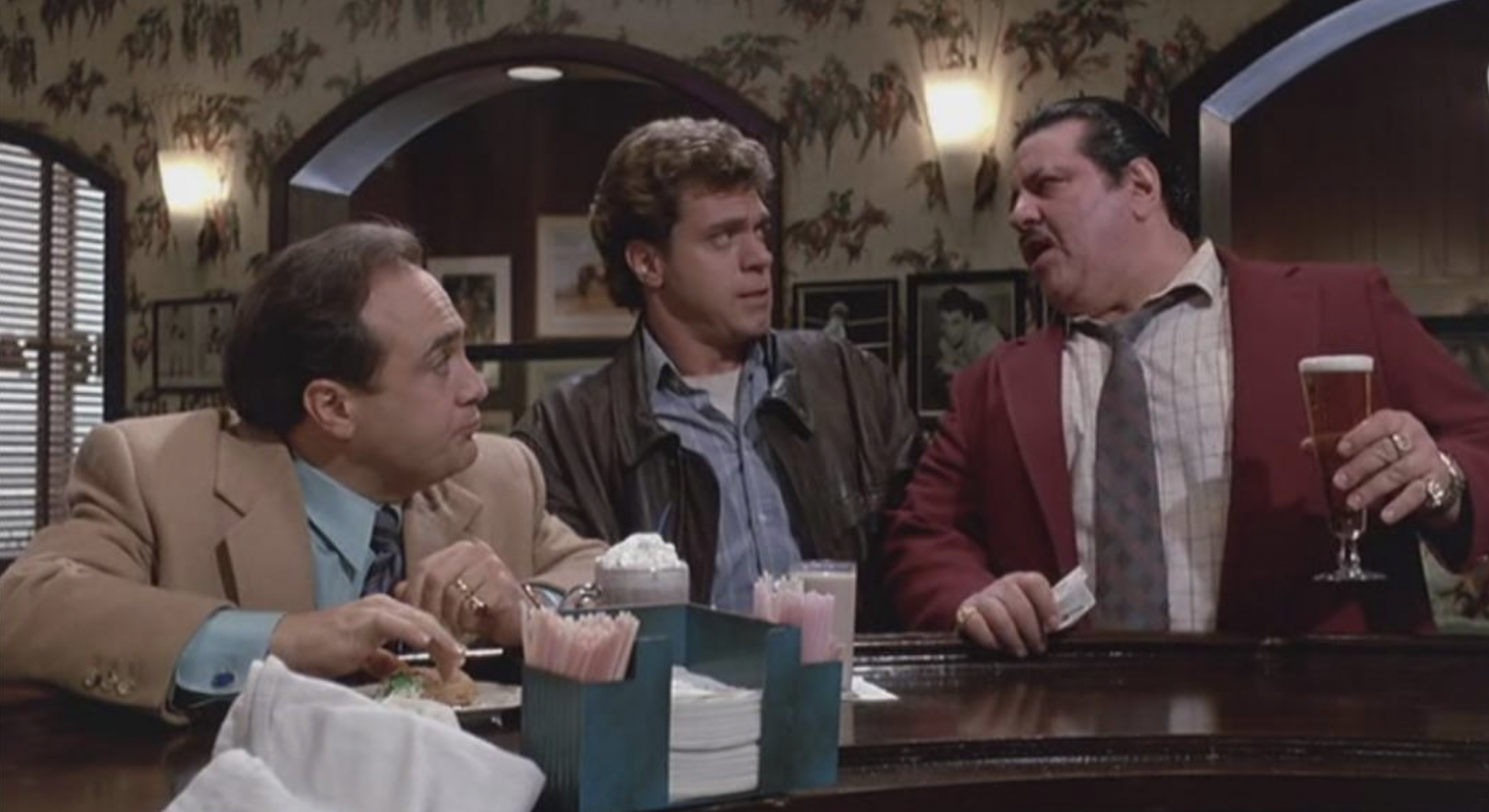
Spiritually, this film is worse than Home Movies. It comes close to feeling like an actual (bad) movie though. Yes, it mostly feels like a pilot for a sitcom that retrofitted into a bad movie. But it has a level of competence that puts it ahead of Home Movies which is truly embarrassing stuff. Why did De Palma make this lol.
26. Domino [2019]
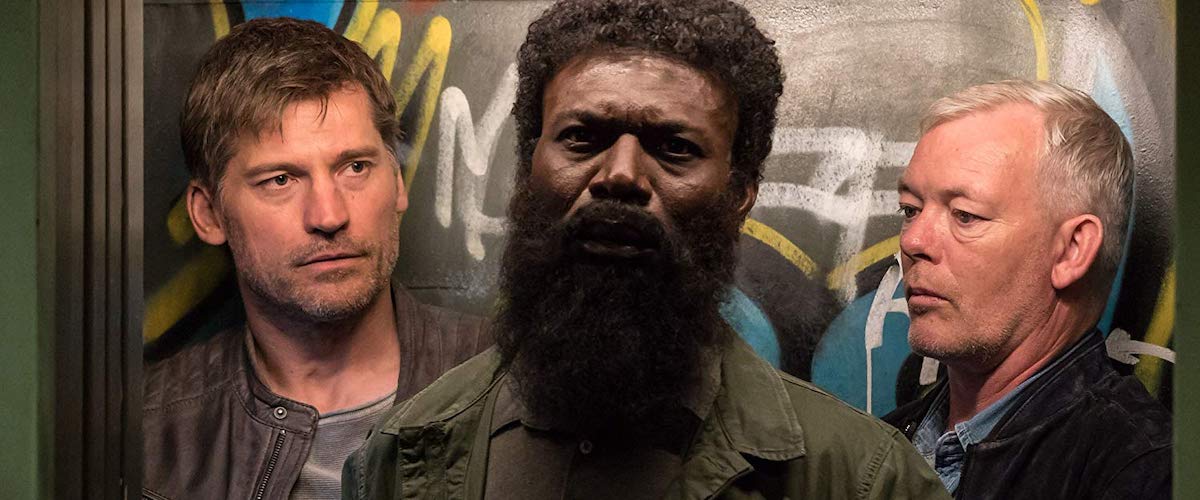
This movie is really not much. But there was an insanely fun and clever action setpiece early in the film. Jamie Lannister has the makings of a fine action lead if he can only find some better scripts.
25. Get to Know Your Rabbit [1972]
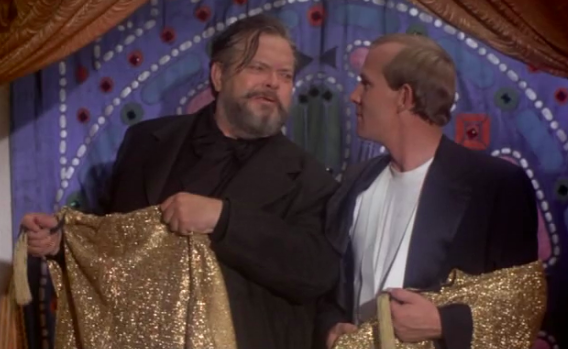
This failed film is a critical film to understanding De Palma. It was his first studio film. The studio took it away from him and re-edited it. It is a film that feels incoherent in some ways. It is a film about being an artist. It is a film about how you only have one life in this world, but the world is set up to commodify you. The film does not fully work. In fact, it barely partially works. But it is well worth your time for those reasons above and for the fact that it has late era Orson Welles puttering around.
24. Murder a la Mod [1968]
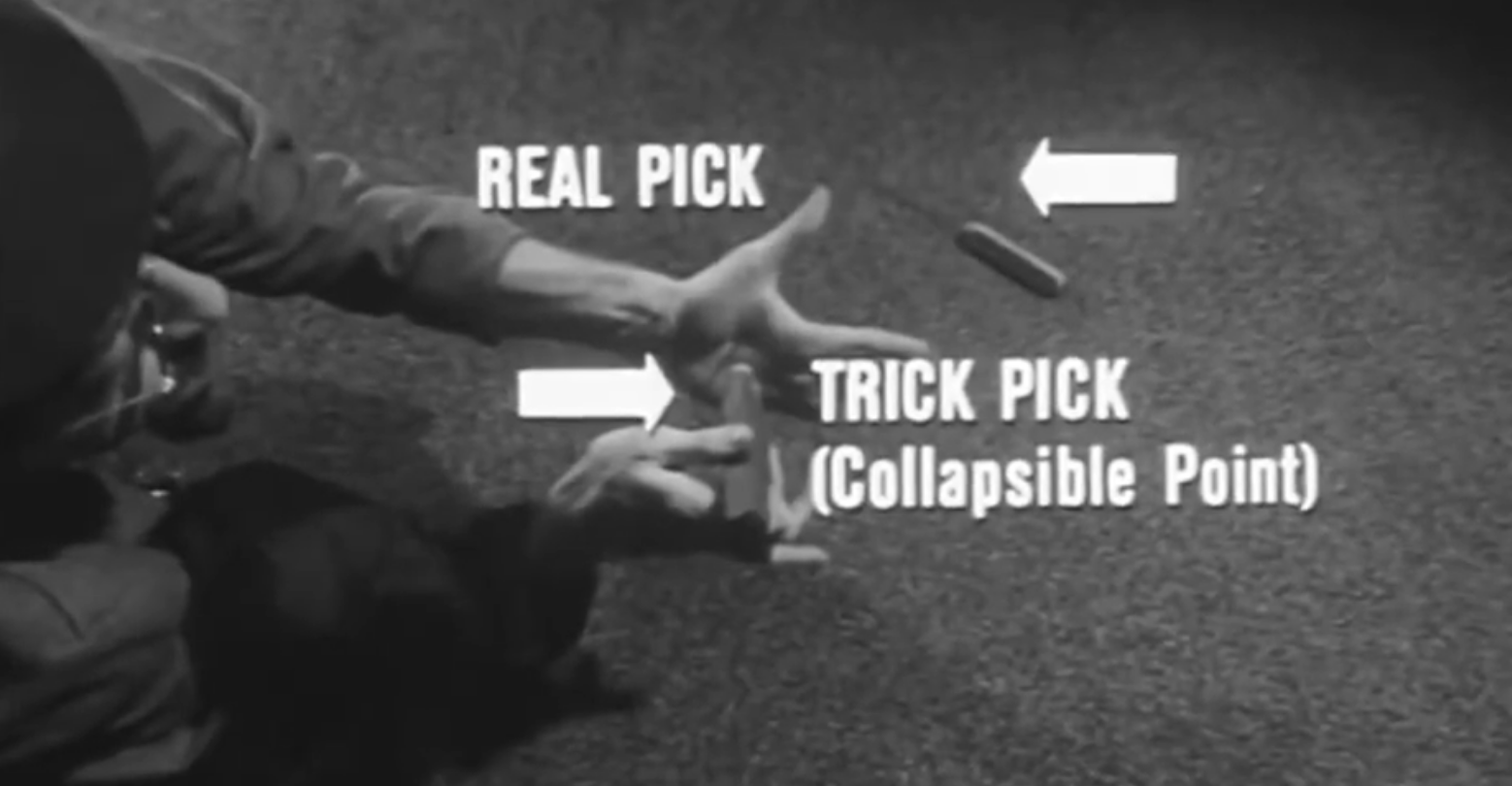
Murder a la Mod was De Palma’s first film, and it immediately shows how much promise he already had. You see so many of the aspects of De Palma’s films that would interest him forever. But the most impressive element of this film is how much De Palma already valued telling a story visually with the camera. This is worth seeking out if you’re a De Palma head.
23. The Untouchables [1987]
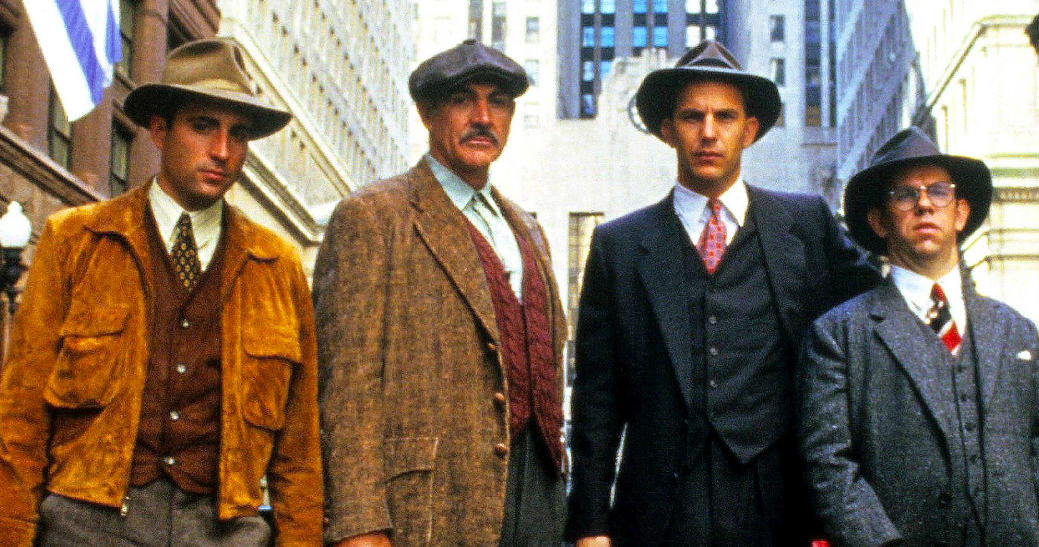
What the fuck is this film? As a teenager, it was one of the first De Palma films I had watched, and I was so unimpressed that it colored my perception of De Palma literally until my thirties when I finally gave him another chance (and finally learned he is one of the GOATs).
After going through De Palma’s catalog and falling in love with his style and sensibilities and POV, I decided it was once again time to check in on it. What did 15-20 years do to my opinion of this film? Not a goddamn thing.
Sean Connery delivers a performance similar to The Last Crusade in that you are reminded that he is one of the best big movie stars that has ever existed. Everything else about the movie just feels so goddamn weird and awkward.
On the surface, it seems like the problems lies in the fact that a David Mamet script (however much was kept) and De Palma are just a terrible match. De Palma bringing this incredibly sincere tone to this reactionary cops/robbers mafia movie is just non-stop jarring. The tension is more distracting than illuminating or compelling.
22. Obsession [1976]
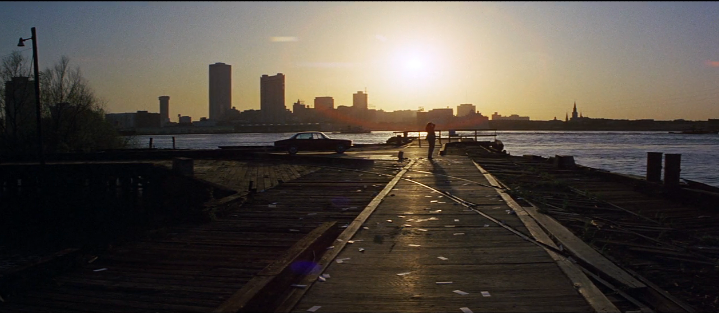
Brian de Palma and Paul Schrader joining forces to make the most Vertigo tribute of all the Vertigo homages de Palma has done…and it is completely underwhelming. Why did it not fully work? I am not really sure. The best I can explain it is that all the individual pieces were good but for whatever reason it did not come together. I cannot really identify any component I dislike. The whole just does not measure up to the sum of its parts.
21. The Bonfire of the Vanities [1990]
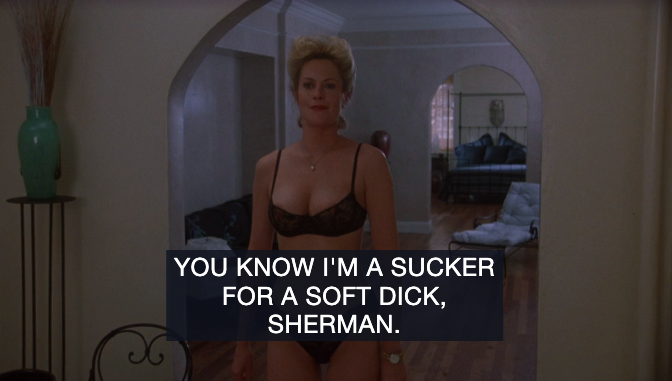
I get this was a disaster on a number of levels at the time, but this is an endlessly fascinating film. It reminds me of the occasional episode of The Sopranos that prominently features black characters. It is ultimately a white film/television show dropping into a space with black people and coming from an extremely cynical worldview. That is a rough combination and leads to zero margin for error. Needlessly to say, they uhhh did not hit the bullseye here. But that does not make it any less fascinating or compelling of a film. This is a film curious about the world and the hypocrisies and reductive narratives that guide so much of the world. That mere curiosity though does not erase the film’s own contradictory sincerity and cynicism that undermines much of the film’s thematic resonance.
20. Passion [2012]
 It is really cool when De Palma was possibly down and out he just went out and made a nasty erotic thriller again. It is missing that youthful spirit but still has the technical craftsmanship that you want and expect. There is a chance this will be the last good movie De Palma ever makes.
19. Mission to Mars [2000]
 Brian De Palma made a very sweet and sincere movie about grief, loss, and finding peace in life. This is a film about people doing their absolute best for humanity and each other and hoping to do some good. The film does not connect fully on their big dramatic moments, but there is an underlying tenderness and some gorgeous visuals that makes this film just incredibly pleasant to watch. I cannot believe this film got such a massive budget but all that matters is that it got made.
18. The Black Dahlia [2006]
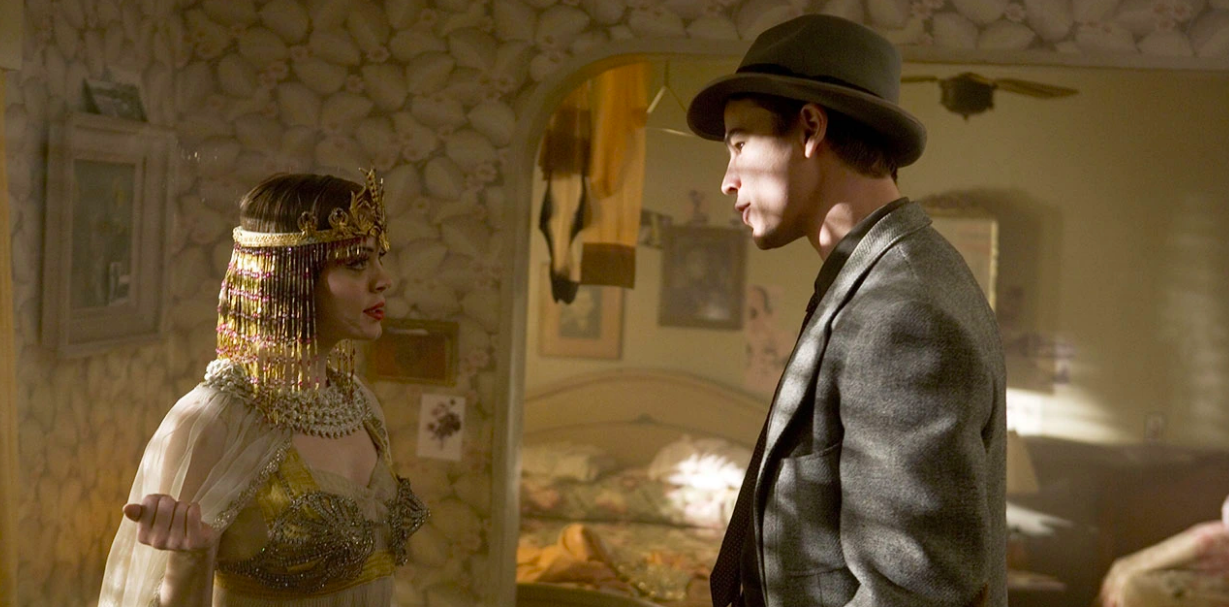
The Black Dahlia is De Palma’s last real big(-ish) budget film. It is not the homerun you would want given the tantalizing material. It has been tough for me to find a way to articulate why I found the film so underwhelming. That was until I figured out what I liked about the film. The film is not interested in making an air-tight mystery movie (like L.A. Confidential); it is more interested in exploring ideas.
Why do we care so much about the murders of white women? Why would we demand things get wrapped up neatly? What about Hollywood draws people to it like a moth to a flame? Both the participants in Hollywood and the people who cannot take their eyes off of it? As soon as you watch The Black Dahlia, you realize the film is not dumb enough to pretend to have answers to those questions but instead recognizes that those are questions worth asking.
17. Greetings [1968]
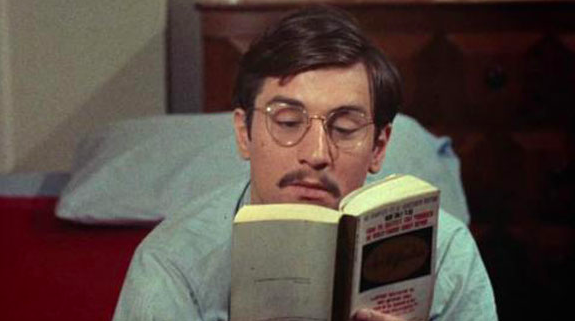
This very early film from De Palma feels like he was trying to explore or look at everything he would ever want to examine in a film and jammed all these ideas into 85 minutes. Between getting an early taste of De Palma’s themes and style and a very early De Niro performance, Greetings is endlessly fascinating. It also captures a moment in time where rebelling against The Man was not quite so socially acceptable and trendy. De Palma forever trying to stay ahead of the curve.
16. Casualties of War [1989]
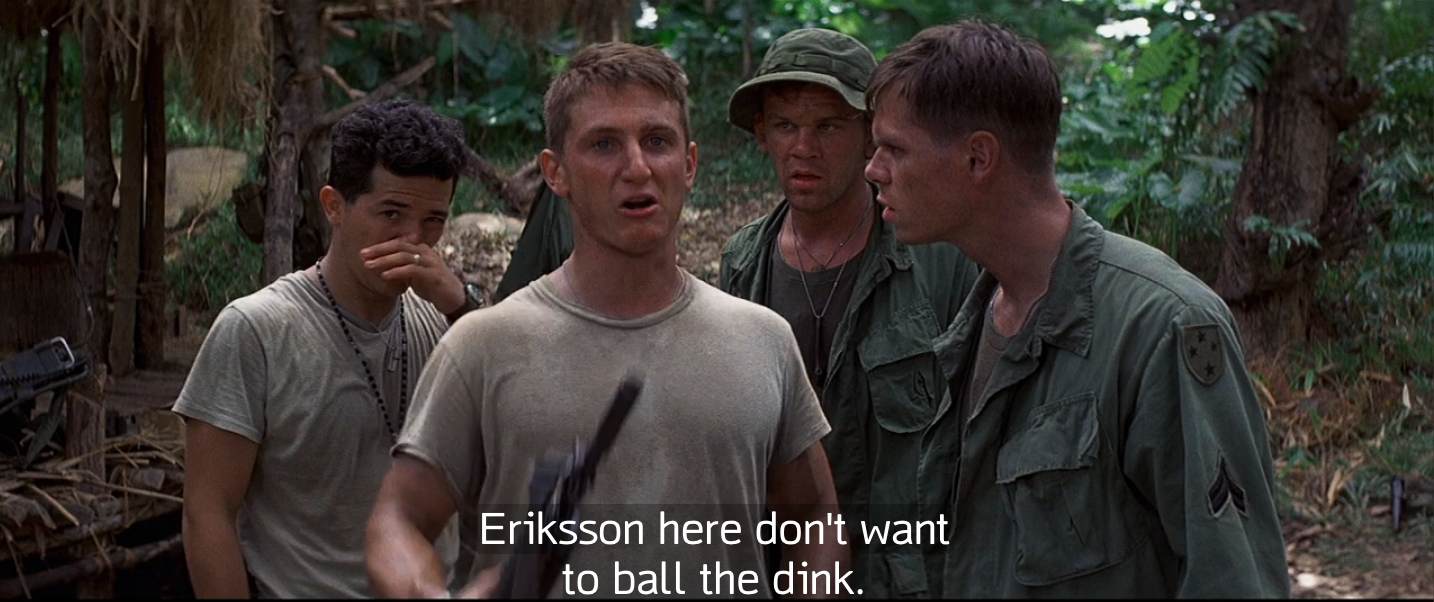
“What happened is the way things are so why try to buck the system?”
When you listen to Brian De Palma talk about the conditions of the world, you learn that he is not a clueless asshole and that he actually has an understanding of how fucked up the United States is (and plenty of his films dive into just that). And Casualties of War is clearly an explicit anti-war/anti-United States film. But is that enough?
The most interesting thing about the movie is that it is about the Vietnam War and he managed to make you go “Oh man, this is grim” as if everything about it was not grim enough. In some ways, it does make it the most spiritually truth film about the Vietnam War from Hollywood. There is no aesthetic or thematic joy to be found. I am not convinced that makes for great cinema, but it is undoubtedly an accomplishment.
Even the “happy ending” rings completely hallow. Sure, the rapists and murderers are punished but in that classic military way where the State is scapegoating them in a way to make it seem like it is just a few bad apples. There is nothing you can do. The world is hopeless.
15. Redacted [2007]
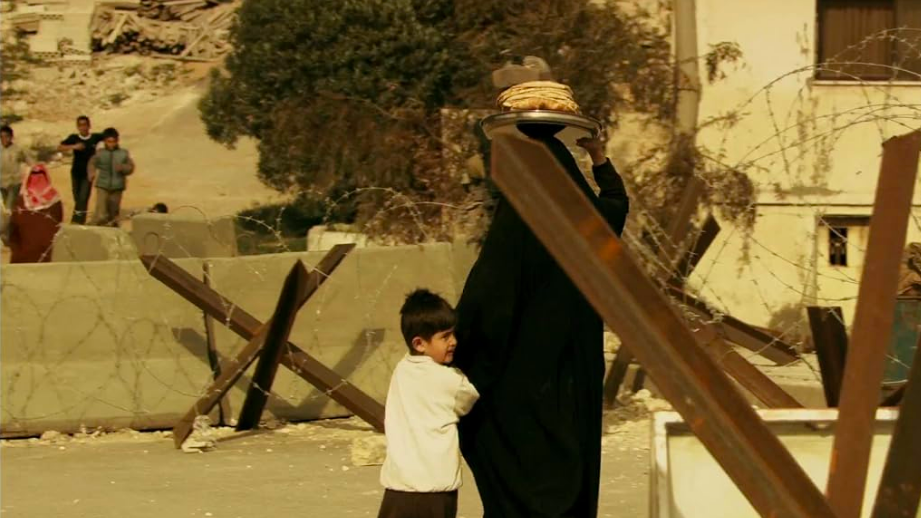
“I’m a fly on the wall…This is my free ticket to film school.”
There is no powerful or analysis of the second United States invasion of Iraq than “I Would Want To Drink Their Blood: God Will Punish Them.” This is the first film about this invasion that has ever truly and directly captured that idea. Much like the invasion of Vietnam, Brian De Palma made the most spiritually accurate movie about what the United States did.
14. The Fury [1978]
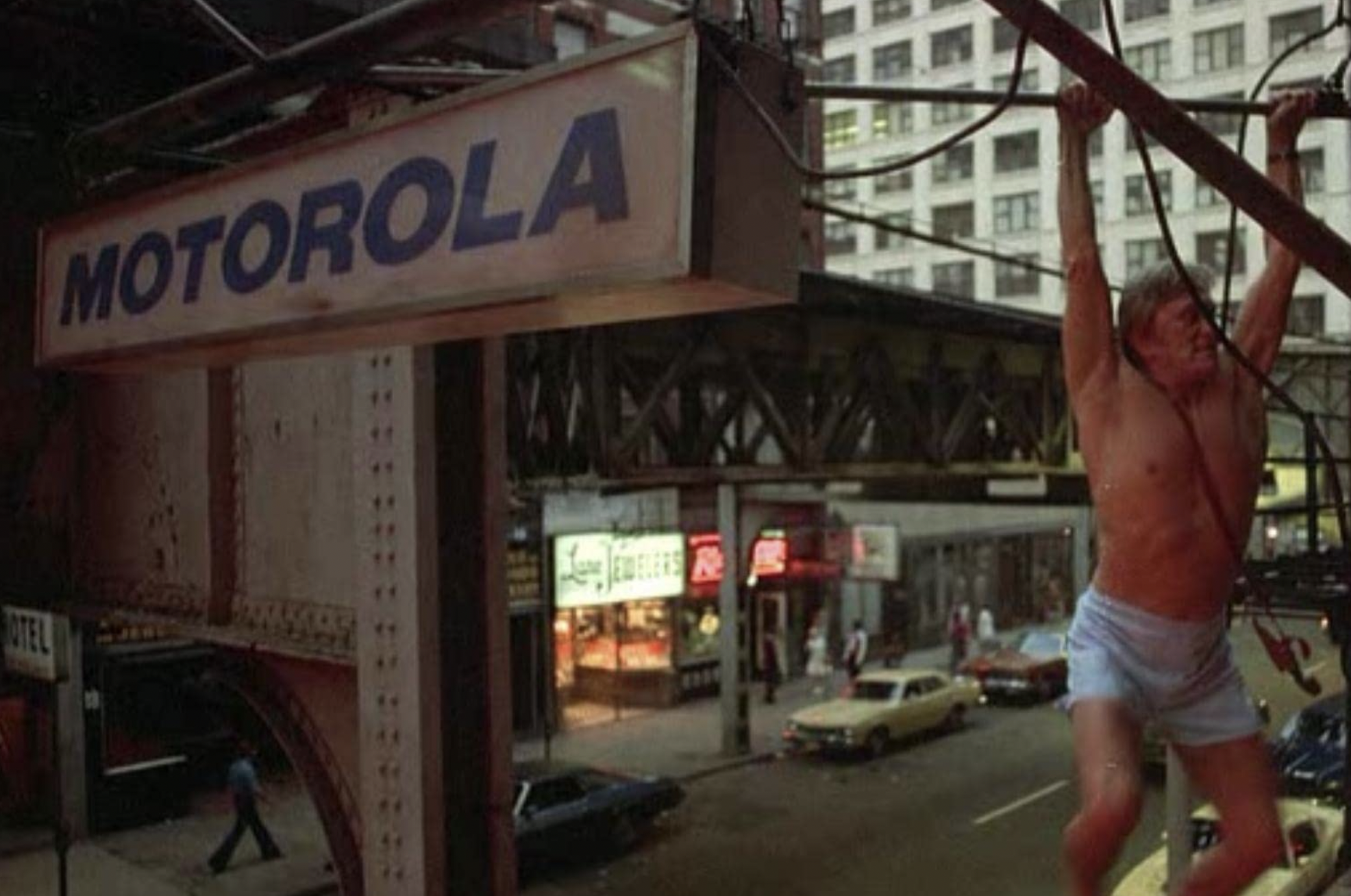
The biggest strength of this movie is also its biggest weakness. Kirk Douglas absolutely popped off the screen as a man on the run trying to save his son from government kidnappers. Unfortunately, much of the movie was not following him, and you just start to miss him and wonder why the movie is not primarily just about him with quick cutaways to the other stuff. The premise of the movie is kick-fucking-ass, and Cassavetes, Irving, Franz, and Durning all nail their roles but there is a great chase movie buried a little bit by everything else that is merely good. The ending is bat-shit crazy though in the best way possible and ends everything on such a high note.
13. Raising Cain [1992]
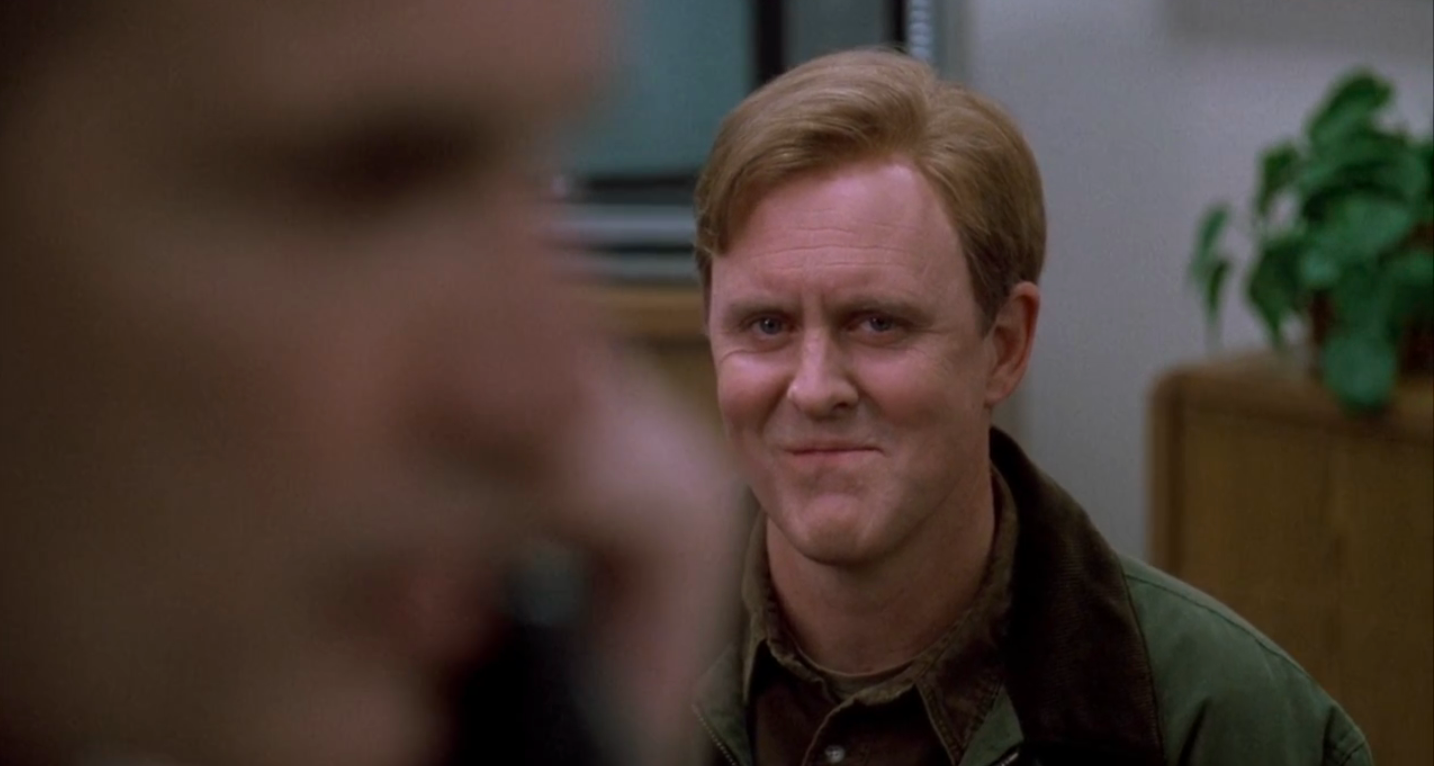
After the infamously (and mildly unfairly) maligned Bonfire of the Vanities, De Palma returned to his comfort zone with a nasty thriller. John Lithgow goes all in as the split personality mental patient who has a killer as one of his personalities. De Palma matches Lithgow’s energy with his camera movements throughout and final set piece. An unhinged film about an unhinged person that gets in and out in a tight 90.
12. Carrie [1976]
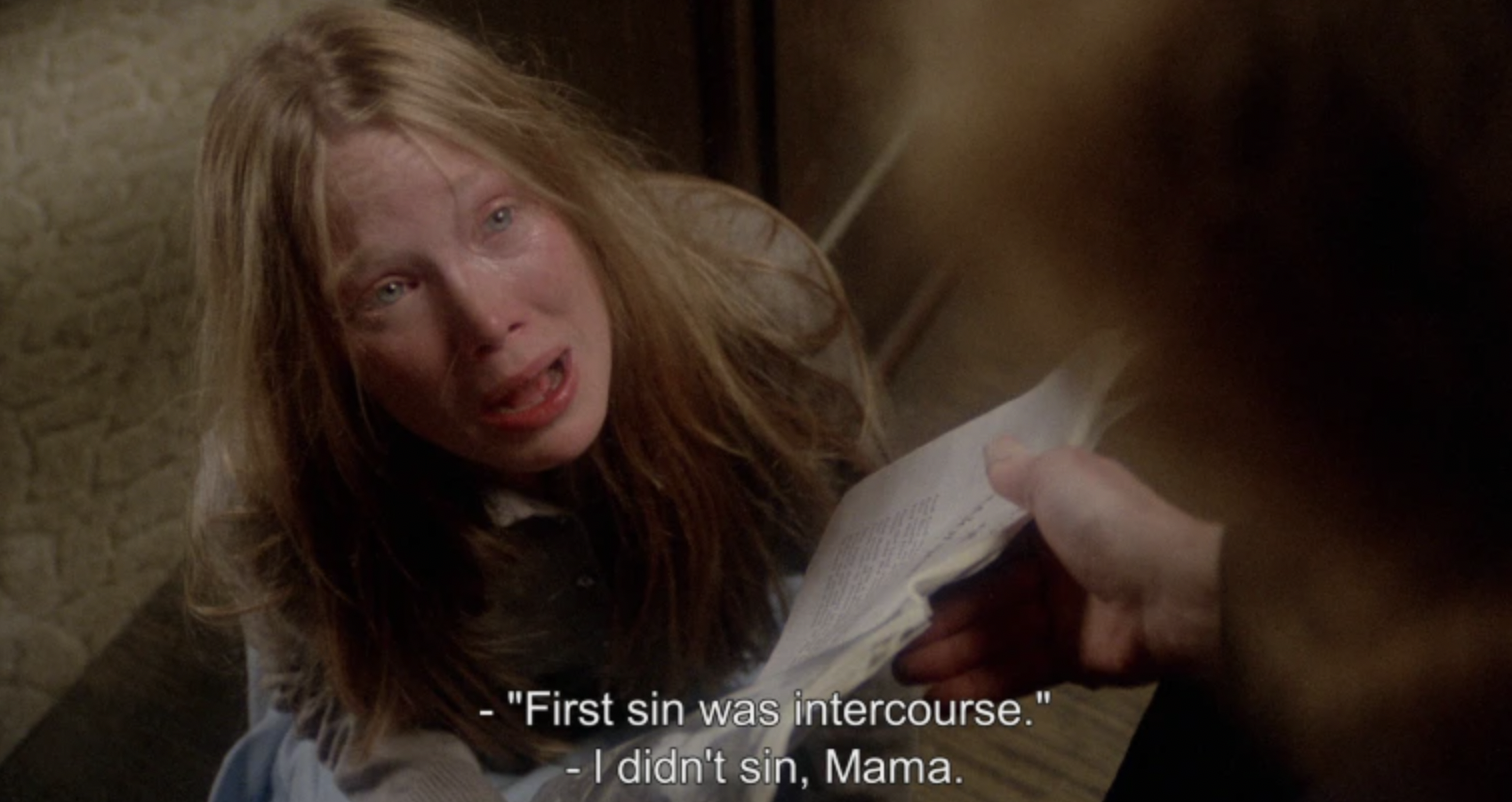
Being a teenage girl has always and continues to seem (I am a high school teacher by trade) to be one of the most isolating and terrifying things imaginable in the real world. Like what utter chaos to be simultaneously happening internally and externally! De Palma’s Carrie seems to empathetically capture the pure horror of it all. It is just a total utter mindfuck where you cannot tell if anyone is being sincere or if everyone is completely fucking with you at all times. It is just a goddamn nightmare from which there seems to be no escape and is more than likely to drive you absolutely bonkers. Great moviemaking here.
11. Femme Fatale [2002]
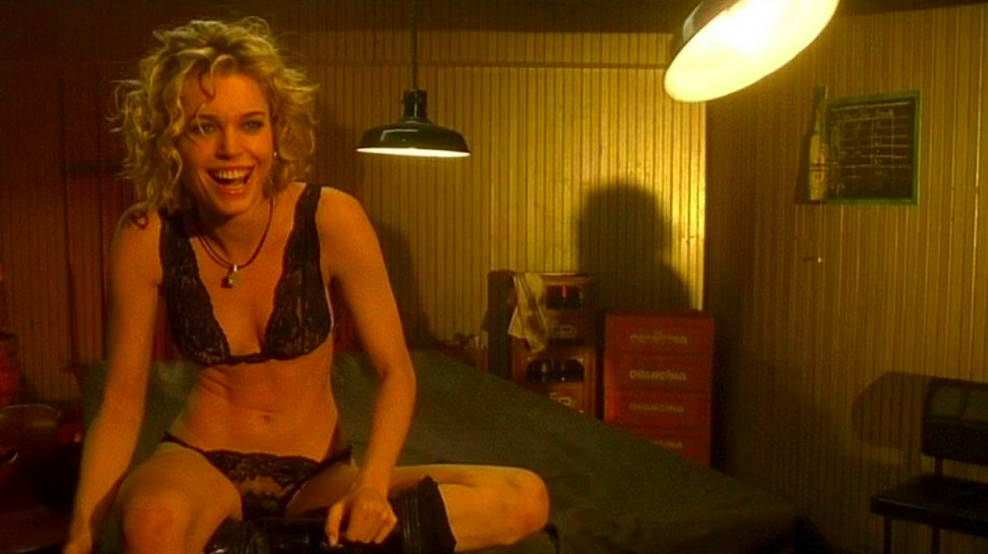
Femme Fatale feels like De Palma trying to make the erotic thriller that ends all erotic thrillers. Gratuitous sex and nudity. Double and triple crossings. Exploitative HLA (non-derogatory). A twist ending so over the top that it would make M. Night blush. A dopey male co-lead that manages to be so stupid that it defies belief. A femme fatale so self-involved in every moment of the film that it would have been an insult to call the film anything else. I mean the film actually starts with our femme fatale watching Double Indemnity. This was De Palma utilizing all of his skills in a a film noir/erotic thriller exercise to make us interrogate if there is any true value in attempting to do the right thing. Or are we all just saps for even thinking something better is possible?
10. Carlito’s Way [1993]
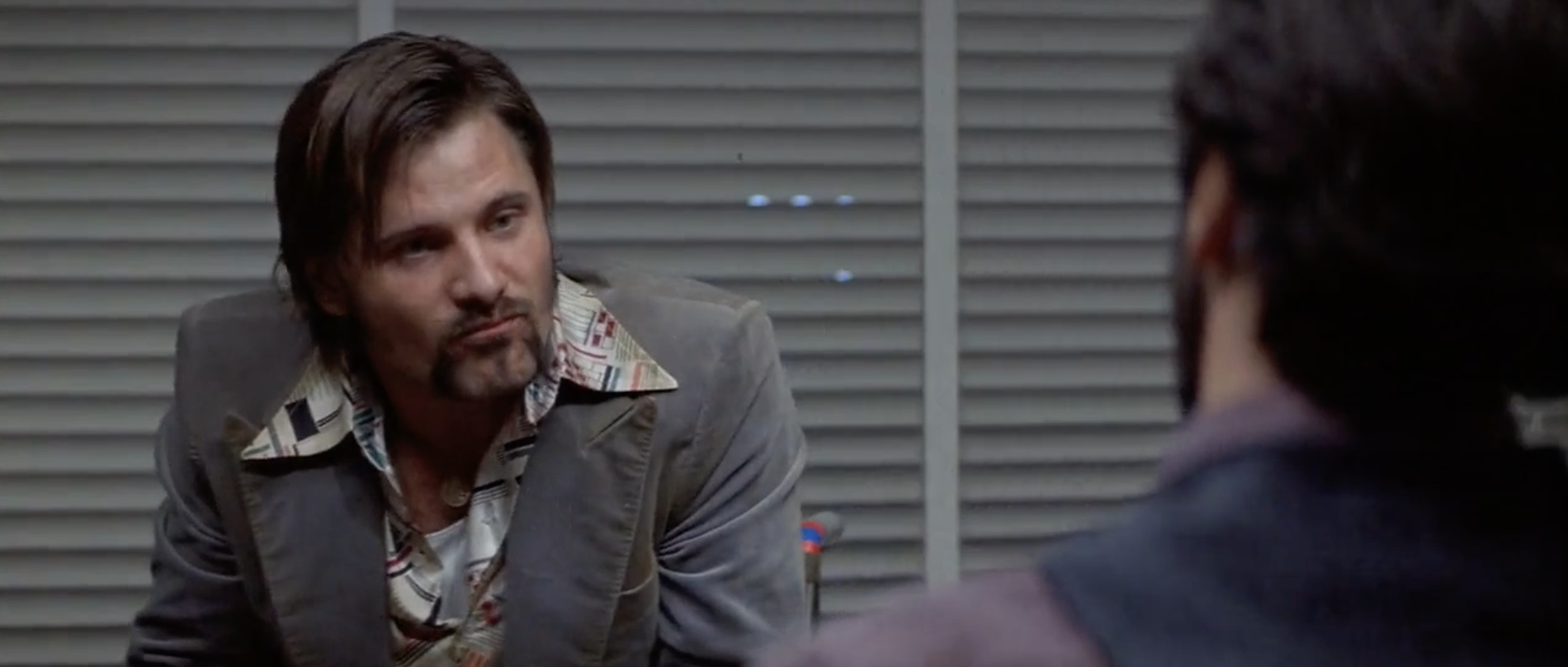
“I’m getting out. I’m gonna rent cars.”
Carlito’s Way truly took me off guard in so many ways and challenged my perceptions of how expectations impact my experience of watching movies. I remember trying to watch this in college (de Palma in general never took with me when I was younger), and I just could not get into it. I was expecting a “cool” “mob” movie or whatever with Al Pacino in the lead. I was expecting Sean Penn to be a nasty tough guy piece of work.
But the movie is very far away from that in the best possible way. This movie is really about destiny and how often people try their hardest to escape destiny.
Al Pacino and Sean Penn in particular are struggling with this idea. In this country (and in this world, I suppose) it can often feel like you are born to have a certain kind of life. Al Pacino doesn’t want to be a drug criminal. Sean Penn wants to be a tough guy. But Al Pacino keeps getting sucked back in, and Sean Penn cannot help but be a nebbish nerd who is only playing tough.
On top of the natural pleasurable conflicts that come from that dramatic situation, I really enjoyed this dynamic as a viewer and witness to the careers of Pacino and Penn. Pacino is such a tender performer who really playing bad does not come naturally for him. Any darkness inside him feels begrudging entirely. With Sean Penn, once you grow up you never really can look at him as a serious tough guy. He is so much more believable a dork who is trying to convince the world he is much more dangerous than he actually is in any way. A truly fascinating film, and the last sequence where the Italian mob hunts down Al Pacino on the subway and throughout Grand Central Station is one of the best things de Palma has ever done.
9. Scarface [1983]
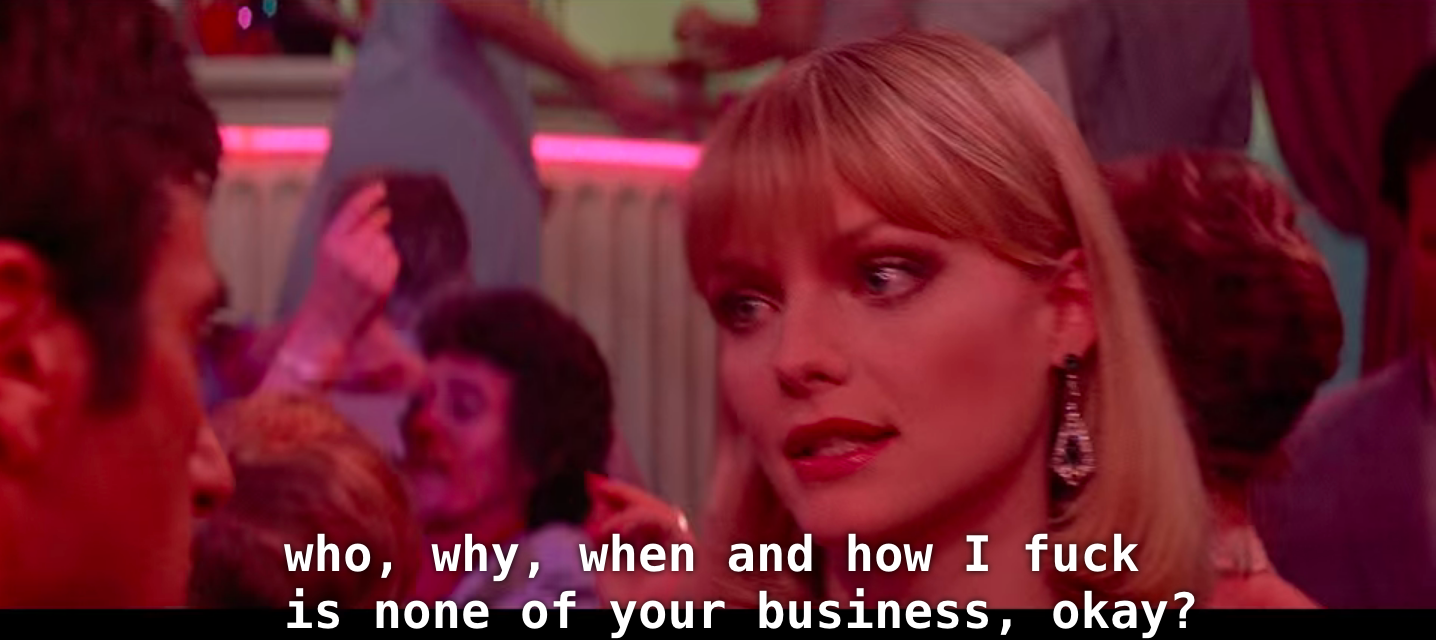
“In this country, you gotta make the money first. Then when you get the money, you get the power. Then when you get the power, then you get the women.”
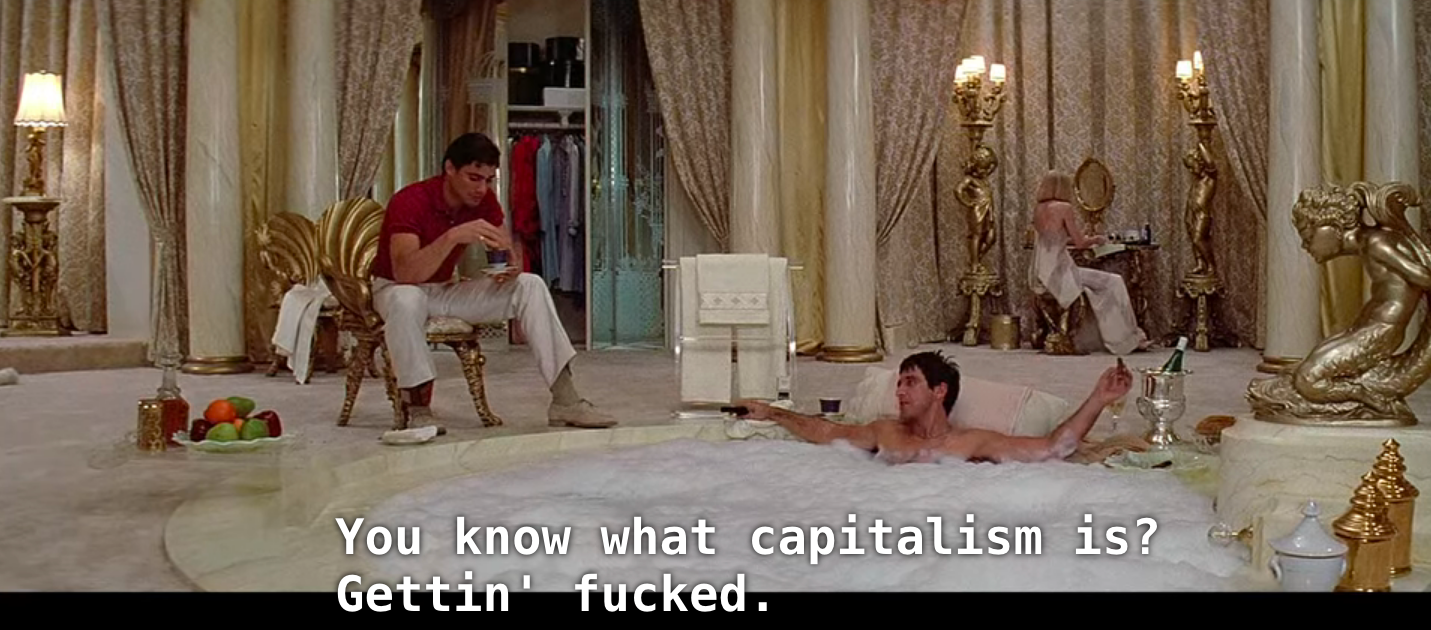
Scarface is a hilarious epic and very direct takedown of the American Dream. This film at times literally puts in big bright letters in the sky, “This is America.” And America is a horror show that values only money at the expense of everything else.
Tony Montana represents America and the West’s sins coming back to pay a hundred-fold. Tony can perhaps rise within the confines of the game that is American Capitalism, but this game ends in only one way for everyone.
De Palma crafts an almost impossibly entertaining film that embodies how form informs meaning. Excess is everywhere in Scarface, and excess is what makes this film never boring. The film always does more. More. More. More. Until it all comes inevitably crashing down at the end as capitalism Tony’s world collapses on itself.
8. Mission: Impossible [1996]
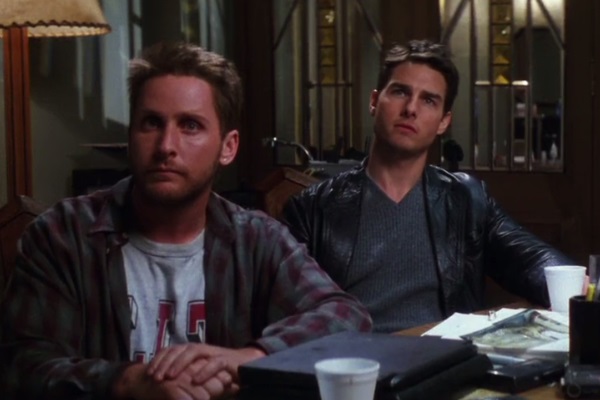
This film is so fucking weird and unsettling and fun and unlike anything that does or could get made today. There is just a pure feeling of awkwardness all throughout this one. That feeling of being uncomfortable greatly helps the movie though as it used to create so much tension and a true sense of danger for the characters. It also grounds the film in a sense of reality that makes the ridiculousness seem plausible. There was also just top notch casting, setpieces, and stunt coordinating to really make this feel like one of the most unique blockbusters ever.
7. Phantom of the Paradise [1974]
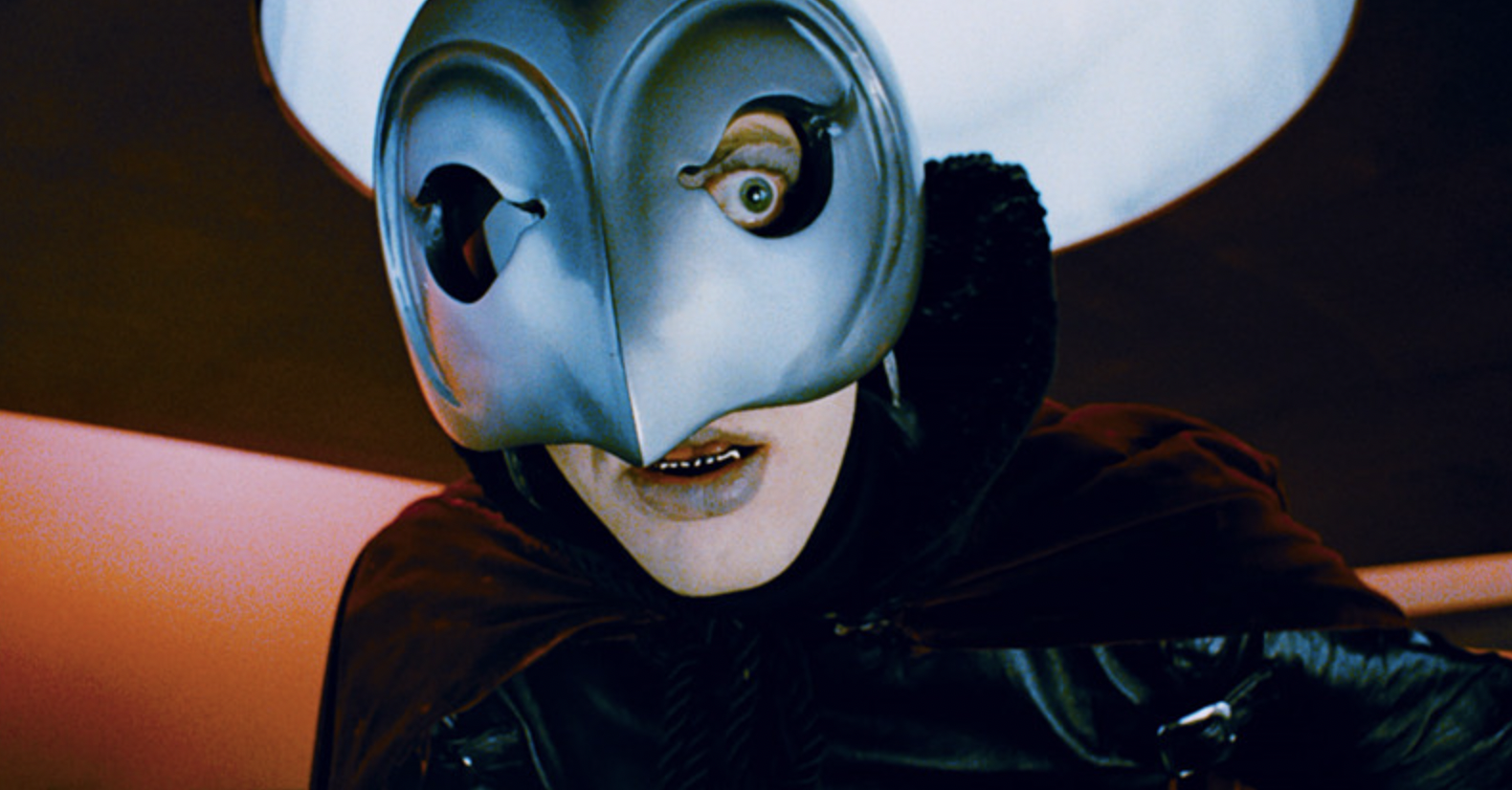
In general, I consider myself one of the luckiest and most blessed people who has ever gotten to live. I say that to say getting to watch this movie for the first time at 10pm on a Friday night in a back-alley movie theater in Paris, France is one of of the coolest feelings ever in my life. And it was just the perfect way to experience this film.
Phantom of the Paradise is all about what it is like to make art in the United States. How can you express yourself as an artistic in a cruel capitalist society? Can you afford to be sincere and genuine in this country? How do you put your soul and talent out there and not risk losing your goddamn mind. De Palma explores all these questions while delivering just a batshit good time in one of his very best films. I cannot overstate just how much this movie fucking rules.
6. Snake Eyes [1998]
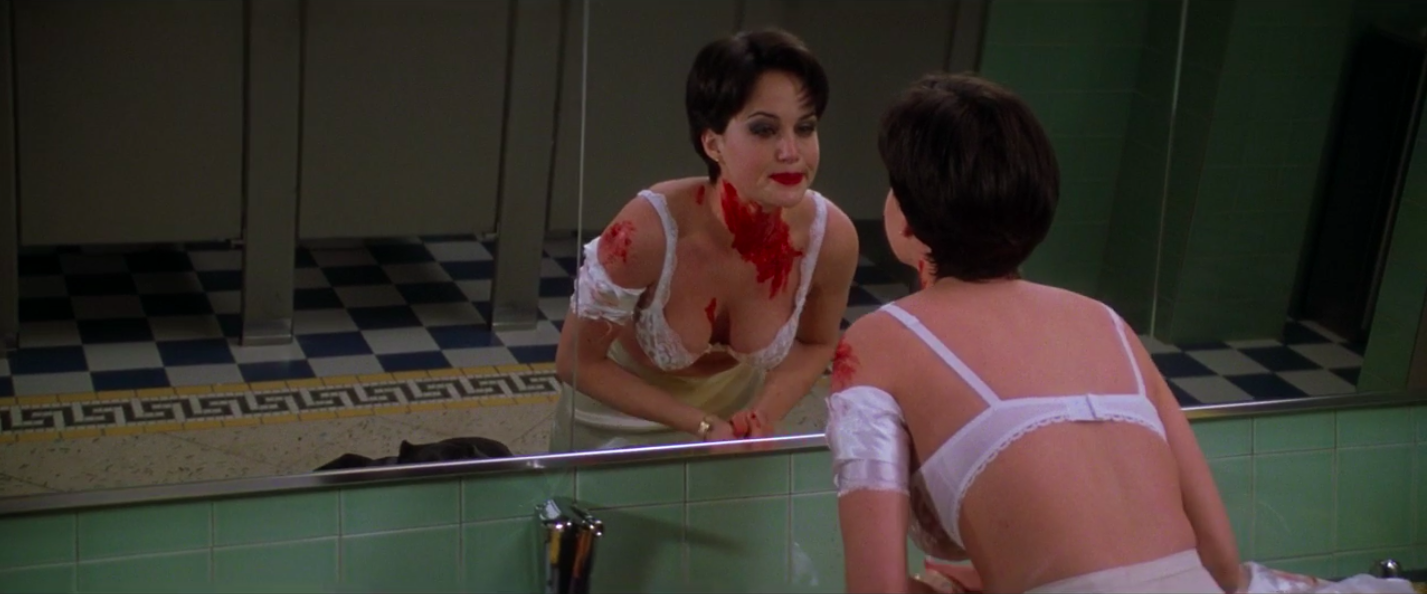
First of all, this film is fucking awesome. Let’s just get that objective fact out of the way. There are so many things you can focus about this film as pretty much everything about it is perfectly executed. I am going to focus on the very end of the film where there is a closing montage that wraps everything up. It seems like it’s going to be paint-by-numbers hero cop celebration shit, but then Nicolas Cage’s character gets Milkshake Ducked as the media turns on him very quickly after he saved the day. Made me laugh so hard. Thank you, Brian de Palma.
5. Dressed to Kill [1980]
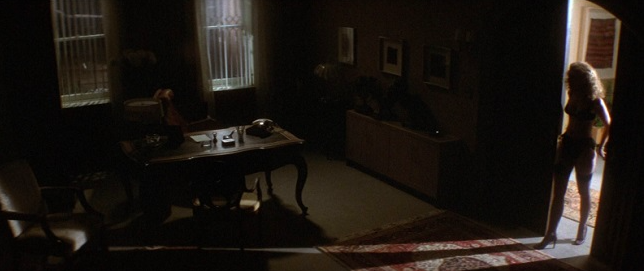
De Palma takes the thriller and forces you to look at the underbelly of what we have been watching for generations on the silver screen. We have seen highly sexualized deaths. “Promiscuous women” punished. Exploitative use of queer murderers. And it often gets sanitized with an air of false respectability. Here, more than anywhere else, de Palma confronts audiences with the truth of these films. He combines that with simply expert craftsmanship, a number of standout sequences, and excellent performances from the three main performers to put together one of his best films ever. A true master of cinema at work here.
4. Hi, Mom [1970]
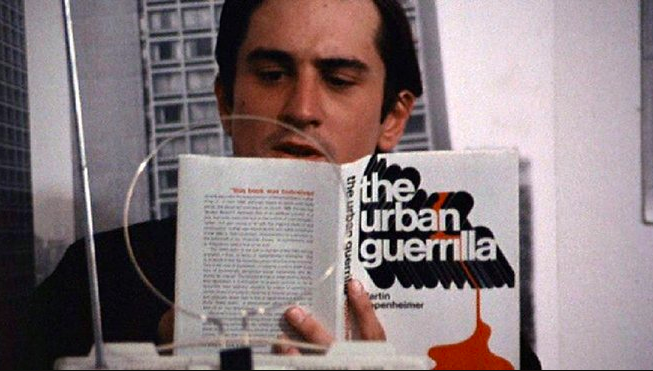
Okay, so there are so many things we could talk about this film obviously. But let’s be real. This movie should be known for the Be Black, Baby sequence first and foremost because it is one of the wildest things ever committed to film. It in no way feels like a De Palma sequence at all. It is messy. It flies close to the sun in regards to race in a way he never really did again. The moment when the white audience that was literally raped and robbed starts to rave to the cameras about how powerful the play they just “watched” was in an effort to appear to be Good White Liberals is one of the most eye-popping shocking moments I have ever seen on screen. This is the first De Palma film where you know he is a genius.
3. Blow Out [1981]

The thing about Blow Out that makes me so excited to watch it frame by frame over and over again is how it is successful in so many different things simultaneously. It is a tremendous showcase of De Palma as an expert craftsman, it’s an incredible showcase for Travolta, and within its own bubble, it was just an excellent suspense film.
The aspect of the film that I found most fascinating was how well the film was genuinely adapted from Blowup. A real issue with “remakes” is that they often feel pointless. They redo a film and manage to do nothing of interest with in any way. De Palma took an infamous film from 1960s England and truly made it feel like a film about 1980s United States in vital and essential ways.
Travolta is someone who learned the hard way that there is no hope for a better world. He learned that if you try to do anything to help, it is gonna blow up in your face. The people that run world are not interested in anything getting any better. So, Travolta had given up. He uses his immense skill at sound recording to make unsatisfying art. But by per chance, he becomes witness to what he comes to learn was a political assassination – clearly done by powerful people terrified of the change the candidate represented.
Here is Travolta’s chance. He can finally do something worth doing. He can once again attempt to shine a line on the corruption of the world. He can make the world a better place. Only no one ever believes him. More important, no one wants to believe him. No matter how much evidence there is, the people don’t want to see what is directly in front of them. And so, no one will ever know what truly happened.
The killer may be the dead, but it is not even a half victory. Another innocent person died in the process. The corruption and conspiracies that dictate the conditions are lives remain shielded from the public’s eyes. And Travolta is left to return to the same, soul-crushing job making hack art. There is possibly no film that better captures what it meant to be in the United States in the 1980s.
2. Body Double [1984]
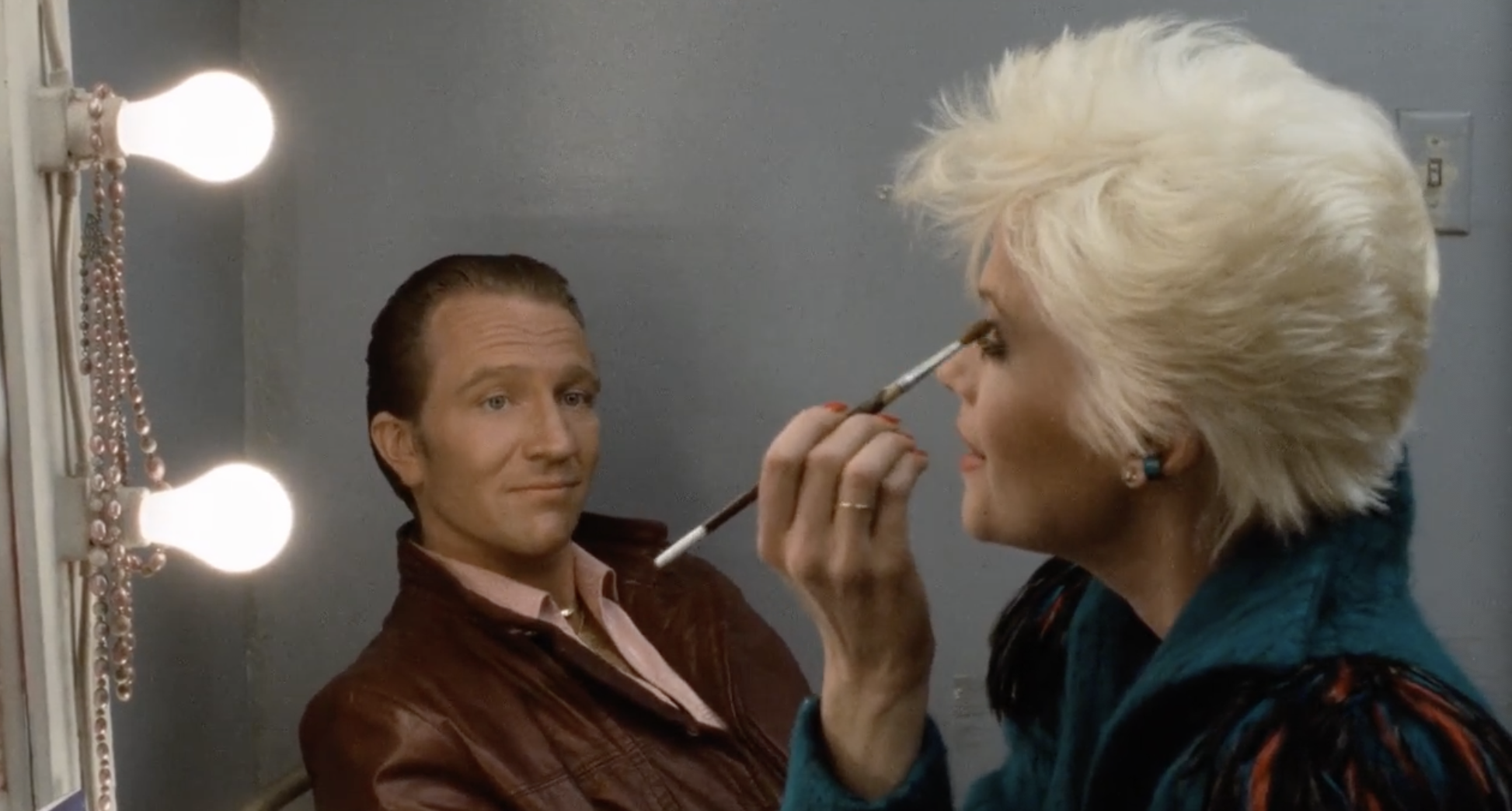
The brilliance of this film lies in the casting and characterization of our leading man. Craig Wasson’s Jake Scully is one of the most bland protagonists in the history of great films. Wasson does not pop off the screen. Wasson does not grab your attention. His character is a dope. He seemingly has no interests. He is a failure as an artist by every measure. He has been cucked. At his lowest moment, he has no friends besides a bartender who doesn’t like him and needs a complete stranger (who seems equally pathetic) to take pity on him.
Many films will try to start a film off by showing the protagonist as being down on their luck. But most films really have to try to convince you of it and almost any traditional has to try to really sell it to make you believe this. This dude. This Craig Wasson. He embodies being a loser.
I mean this is how the film starts. He is a body double for some trashing horror film. He is sent home (and later fired) for being unable to just lie there in a coffin for coverage shots. He then goes home with this dopey look on his face and sees his girlfriend straddling some hunk and getting off big time. Then a few scenes later he complains to his new friend that he has never made a woman cum before and given her true pleasure. Right on the heels on the last two scenes, it cane be safely concluded that this Jake Scully is so pathetic that this motherfucker cannot even JUST LIE THERE.
This is all so important because this high-wire act of a film only works if you buy into the idea of Jake Scully being such a desperate, needy, and (yes) innocent rube. De Palma Da God.
1. Sisters [1971]
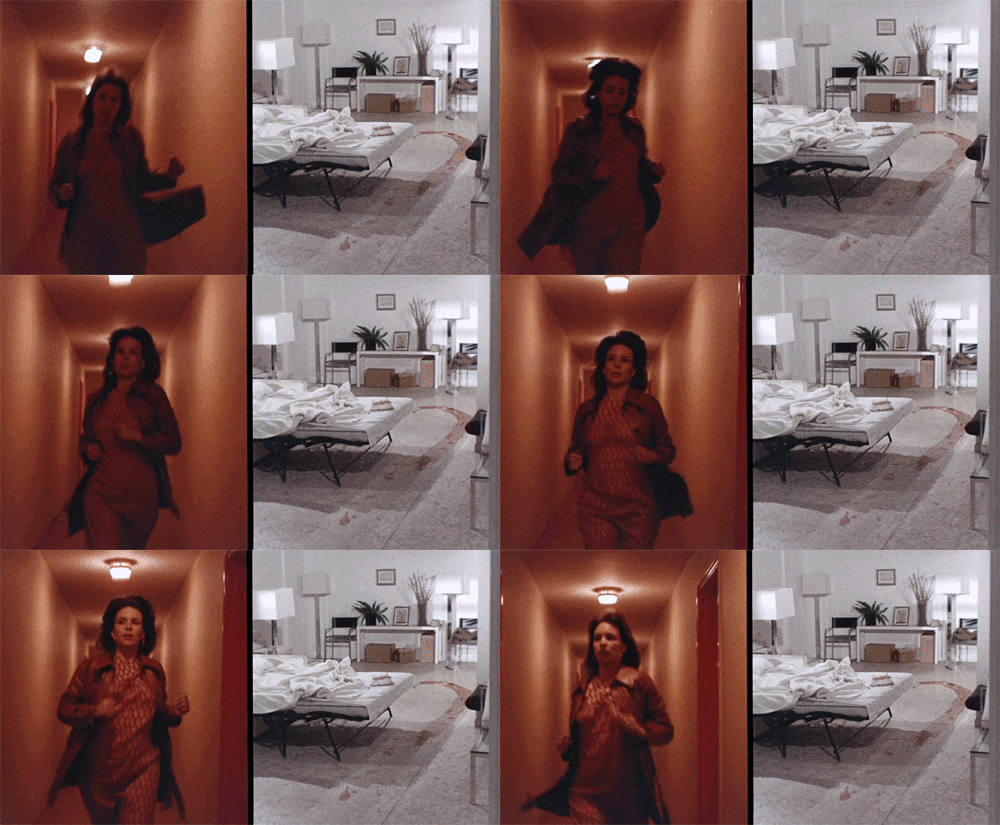 De Palma De God. This film is fucking batshit insane. It feels like the kind of thing only a young person can pull off due to a lack of inhibitions. The best part about the film is that is borrows the brilliant Psycho structure by switching protagonists halfway through the film. Something about this concept just connects with me so much. It is frankly just fun and a nice change of pace. It messes with the audience’s heads and disorients us and makes us question what we have learned so far or at least makes us want to experience it again. And finally something about it just feels very true to life. We are the protagonists of OUR life stories, but our stories are interconnected to the whole world. Anyway, you could write a thousand page book on this film. What De Palma does with point of view is but of the many things the film does brilliantly.
 The Reel World