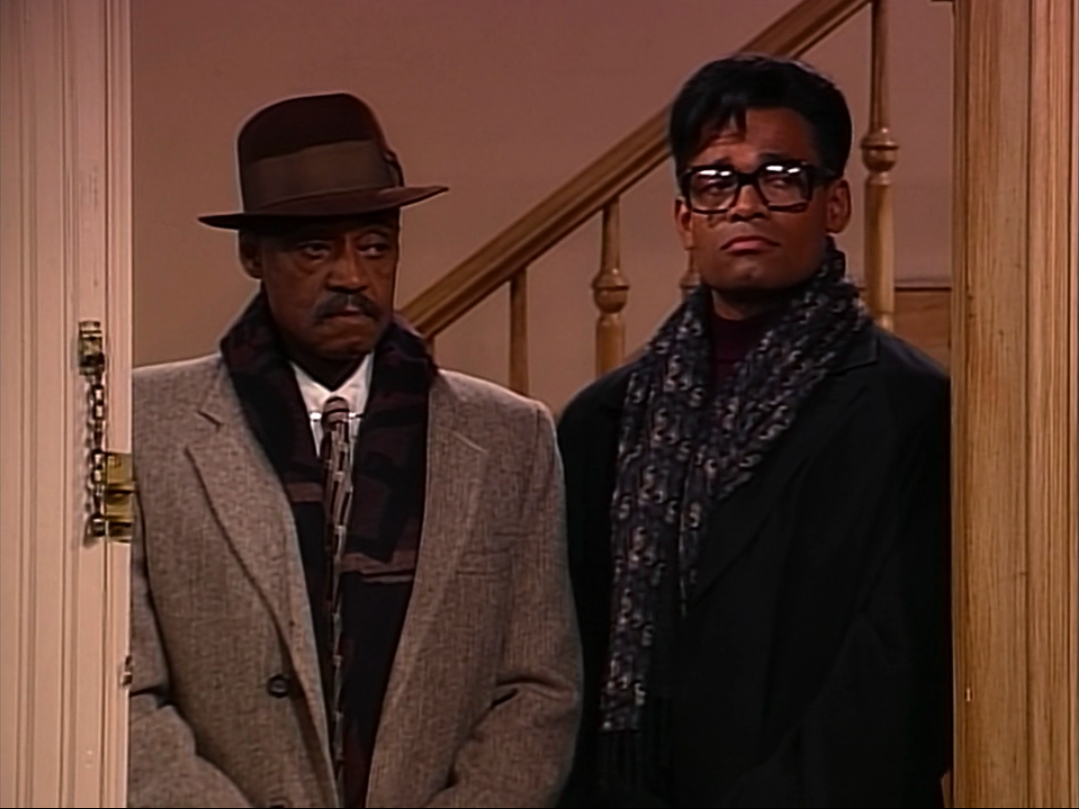
Films I Still Need To See: Identity Crisis, Vrooom Vroom Vroooom, Le Conte du ventre plein, Confessionsofa Ex-Doofus-ItchyFooted Mutha
Melvin Van Peebles was a true American genius. His films are as compelling and as interesting as any American director ever.
5. Gang in Blue [1996]
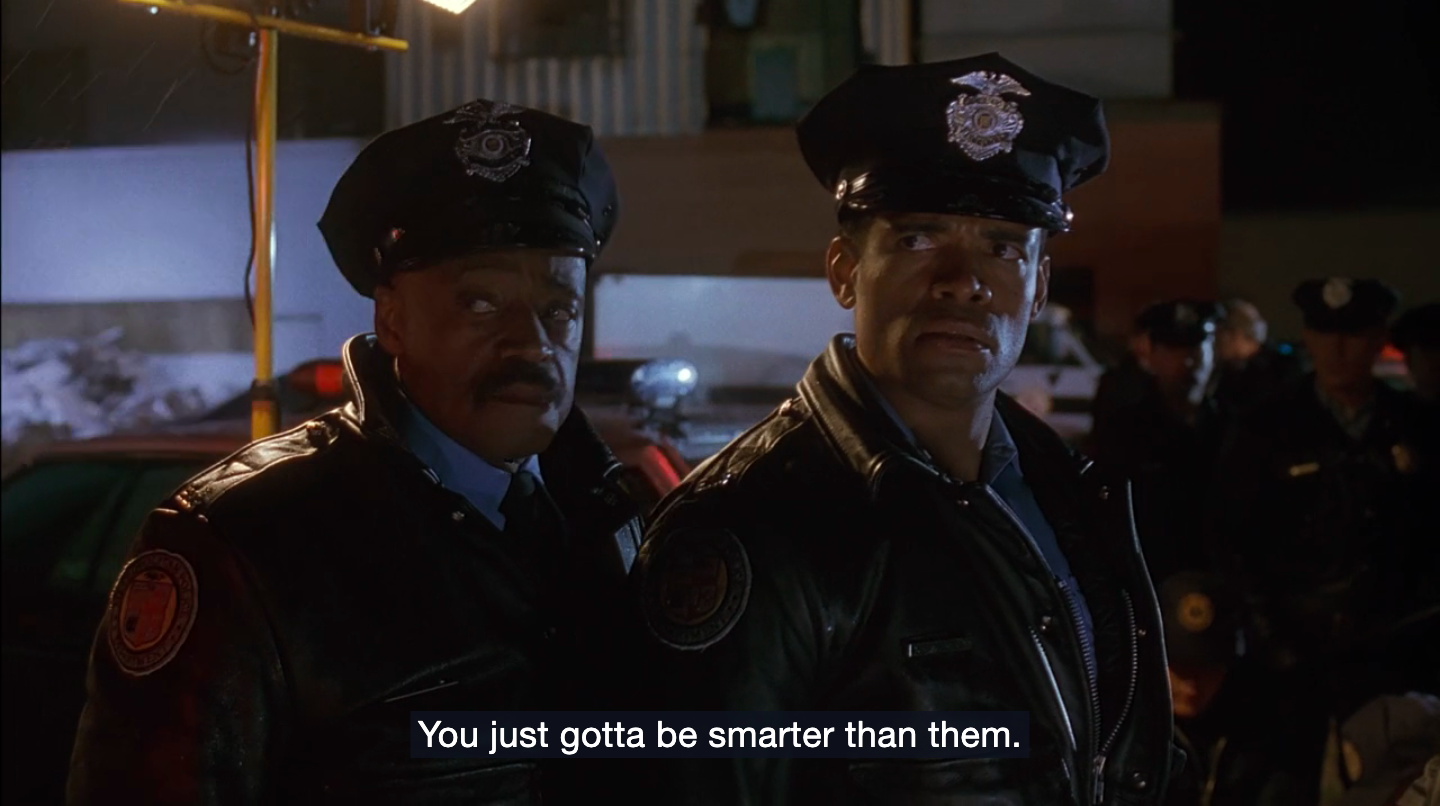
After only making one film over 23 years or so, Melvin Van Peebles returned to co-direct a film with his son, Mario. While Melvin’s first four films were both radical in regards to content and form, this film was far more generic in both ways. While Melvin explored films about social issues, his films were always ultimately about people and what it meant to alive. Gang in Blue is however a straight-up protest novel. This is a film that explicitly wants to teach the audience just how racist the police are.
As far as anything more complex goes, the film asks tough-ish questions about whether or not these systems can fix themselves (they cannot), whether or not the federal cops can help (they cannot), and whether or not a liberal worldview would help (it won’t). I guess you can say it’s good the film did not try to answer these questions directly so much, but when it’s already a protest novel, it is not a great look to make policing seem like a rotten apple problem (of course, rotten apples do in face spoil the whole barrel).
With ALL that said, this film is cast so well and is well-made enough that it was more than compelling from beginning to end. It just was not the transcendently great film I came to expect from Melvin Van Peebles.
4. Don’t Play Us Cheap [1973]
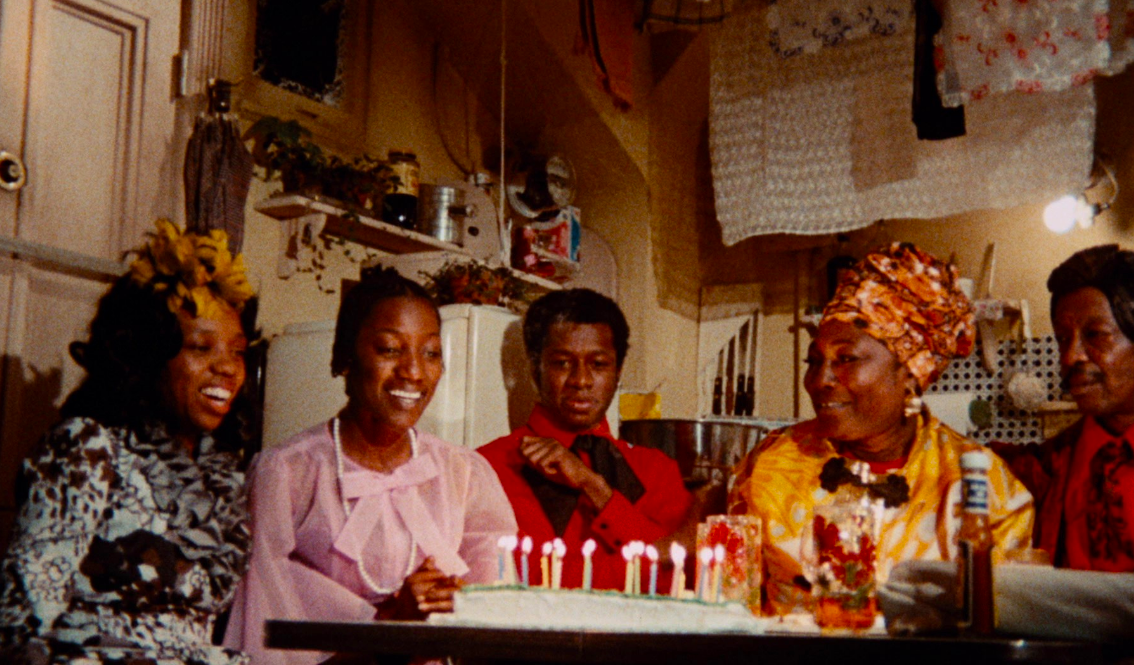
Melvin Van Peebles’ fourth film was a musical. He once again made a completely different kind of film (although I guess he did not invent a new genre this time out). The film is a beautiful exploration of the value and importance of community for Black Americans. When left alone, you see the Black people from this neighborhood coming together to celebrate a day of rest. Van Peebles uses genuinely great music to both celebrate the characters and people while also using the lyrics and tone of the music to delve deeper into the Black experience. This Party is under threat from the Devil though; outsiders unable to mind their own business are trying to tear down the Party for no justifiable reason. Why can’t Black people just be left alone in this country? Why do the Devils always have to be doing something to them.
3. Watermelon Man [1970]
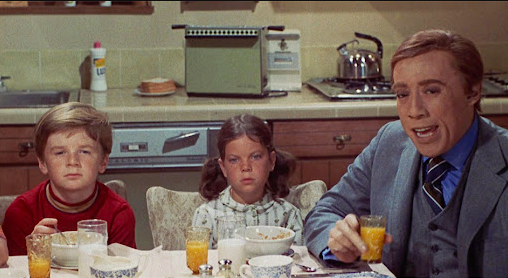
Melvin Van Peebles made only one studio film, and it is unsurprisingly brilliant. As expected, it as much as anything else an essay film about racism in the United States of Amerikkka.
The key to the film is understanding the POV of the main character. Most descriptions of the film describe it as a white bigot who wakes up one day to discover he is now Black. That is not to say that is not true, but I think a more detailed explanation of the main character’s POV is required.
He is a racist white man who thinks everyone just needs to chill out about race and everyone is overreacting. He thinks racism is over and that everyone needs to be less, dare I say, sensitive and “woke” about it. He seems almost like a stand-in for the belief that slavery was over for a hundred years – why does anyone still care? One of his first lines of dialogue is declaring that white people are being drama queens about everything as if they all are convinced Black people are gonna show up and rob them of their “class rings.”
So, yes, this one Jefferson Washington Gerber is racist. But it is a particular form of racism that is not portrayed enough. He gets shunned by his liberal white wife who talks a good game but freaks out the first time she sees her newly-Black husband, convinced this Black stranger is going to kill her. There are many such cases of this kind of couple, but it is too rarely seen dynamic on screen.
That is just one facet of American racism that Van Peebles shows here though. He brings up Black latinos who identify as “Spanish.” There is a white woman fetishizing black men, and Van Peebles explores the thin line between fetishization and bigotry (the white woman was screaming rape after she was dumped by the Black man). He looks at how capitalism wants to use “acceptable” Black leaders to exploit Black working people. He looks at how white racists want desperately to remain the heroes of any story despite their racism (“Perhaps we will seem less villainous in your eyes.”) This is a great and essential film.
2. The Story of a Three-Day Pass [1968]
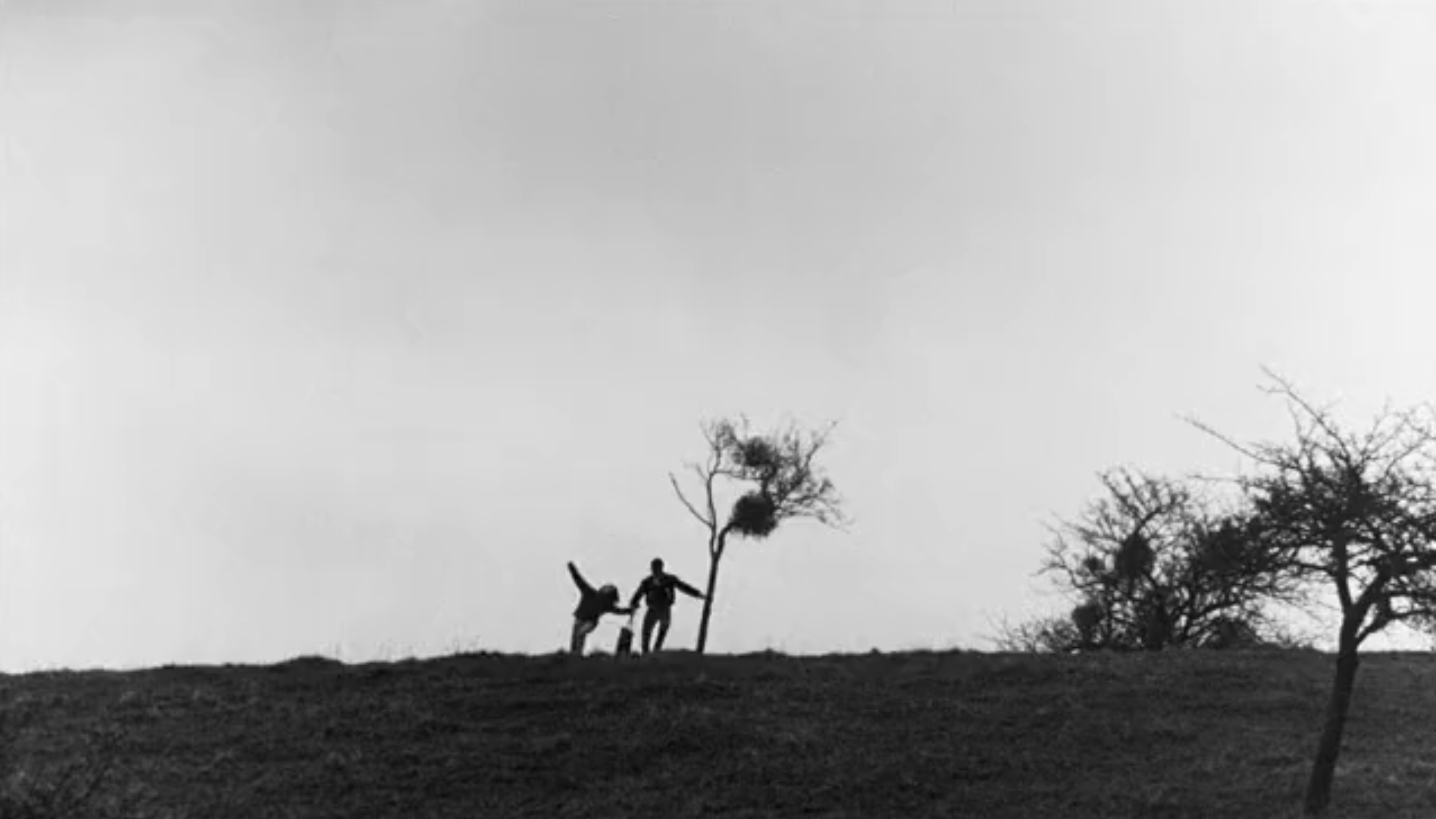
“What’s a good negro?”
Melvin Van Peebles’ debut film is just stunning. How can anyone just be this talented and gifted. He wears the French New Wave influences proudly on his sleeve but makes it his own to make a thematically hybrid American/European film.
A black serviceman in France gets a weekend off and the promise of a new (mild) promotion. The somewhat unspoken catch is that he is expected to not fuck any white women while he is off base.
That is a profoundly inhumane way of treating and thinking about people. It is also just patently unrealistic. Humans are drawn to each other for reasons they both do and don’t understand. It cannot be helped.
What makes this dynamic truly interesting though in this film is that Europeans are convinced racism is an American phenomenon. To the eyes of a European, racism against Black people is just more proof of American inferiority. Europeans think of themselves as not being caught up in these socialized hangups that the Americans suffer from.
This is of course nonsense.
The film is a testament to how nonsensical it is. The fantasy that you can escape racism is just that: a fantasy. It has been socialized into us and the reality that racism created racial divides needs to be acknowledged in order to not let is rule us. This is a breathtaking debut film.
1. Sweet Sweetback’s Baadasssss Song [1971]
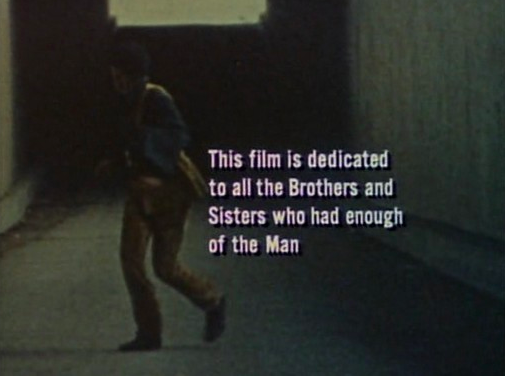
This is it. One of the most iconic and important films in United States cinema history. The film that is credited with kicking off the blaxpoitation era (which does not seem precisely true but is also a needless debate in my opinion). Sweet Sweetback is a devastating and exhilarating portrait of Black American oppression and (more importantly) Black American resistance to the systems and structures holding them down.
Sweetback was an orphan raped by a female prostitute. He is an object. His “lovemaking” is perpetually mechanical looking and soulless. He grows up to seem dead inside in so many ways.
He is a sex show worker. He is randomly plucked by the police and his capitalist boss to be the scapegoat for a murder case. He witnesses and is victim to police violence. He fights back. He resists. He is a fully formed raw nerve that pushes back against the cruelty of this country. He runs.
“Come on feet. Do your thing.”
Sweetback is in a righteous rebellion with no destination in mind seemingly. Unlike the middle class white rebellions against the establishment of that time though, he needs to survive just for himself. While the white people who rebelled were ultimately rebelling as a new form of individualism, Sweetback is rebelling just to survive. He is not simply another Kit. So much of Black and indigenous resistance must first be based in survival. I have never seen a film so beautifully and radically capture that. The film is shot and edited in a chaotic manner that truly encapsulates that feel. This film is a remarkable accomplishment.
 The Reel World