
David Cronenberg is one of the most interesting filmmakers who has ever done it. He understands the human experience so well, and how much horniness and fear of our bodies is inherent to our lives. No one does it like him.
23. M. Butterfly [1993]
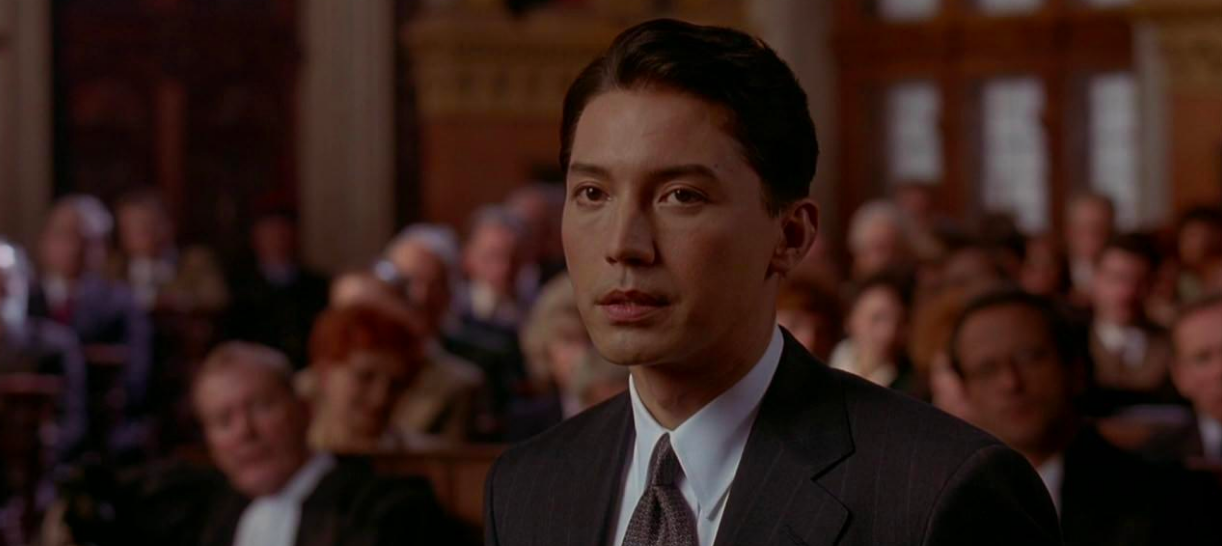
“It’s still an embarrassment that we lost Indochina.”
Cronenberg’s specialities usually include violence, bodily destruction, horniness, and capturing the feeling of being alive and specifically around those ideas and the emotions (particularly fear) surrounding them. Cronenberg does not really do any of that here, and as a result the film is not all that interesting or compelling, and it is certainly one of the weakest things Cronenberg has ever done. Probably the most tantalizing bits in the film is the story’s exploration of the imperialist and colonizer mindset. The arrogance of it. The ignorance of it. But the film does not really do all that much with it, and the film’s focused and direct explorations of gender and identity feel flat and surface deep – despite John Lone’s best efforts.
22. Stereo [1969]

More than an actual film, this comes across like a “proof of concept” and the concept being David Cronenberg charting a path through the intersection of sci-fi and horniness (to be reductive) in order to explore transformation. And I am not gonna like, it tested my patience even with my inherent fascination with all things Cronenberg. But overall, I was glad to have watched it and it was, if nothing else, better than M. Butterfly.
21. Crimes of the Future [1970]
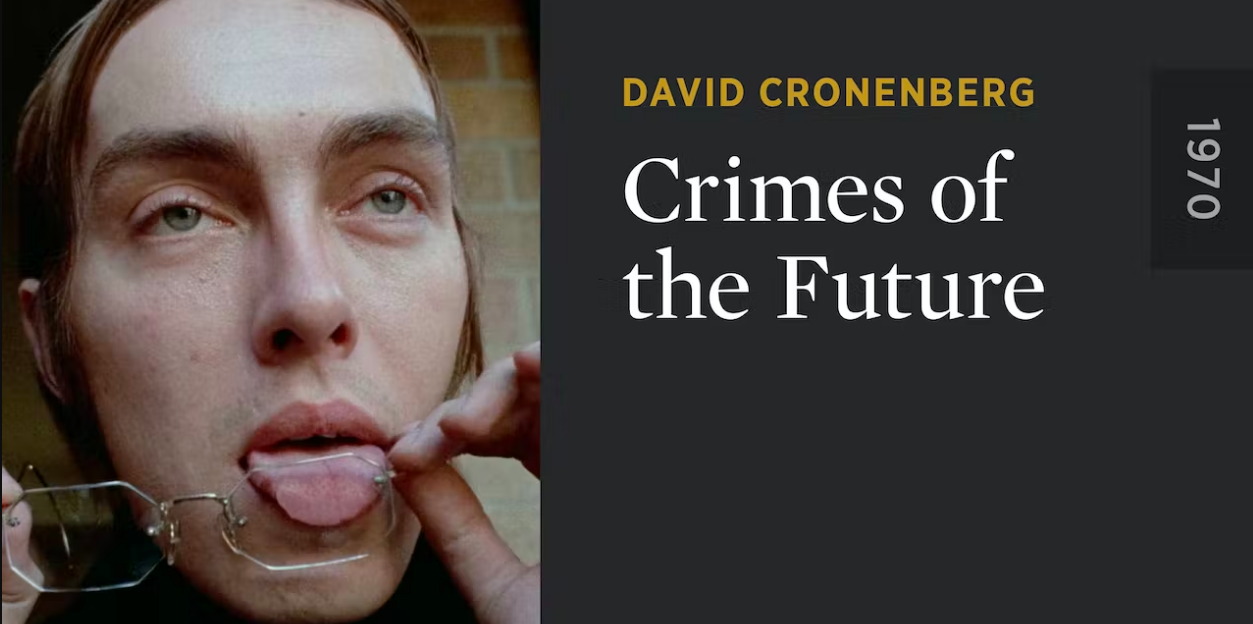
Much like Stereo, this functions as a better “proof of concept” for the existence of David Cronenberg than as a fully-realized film. You can see the visual and thematic development of Cronenberg, and that makes the movie inherently interesting in the full view of his career. Beyond that though, there is just not quite enough there yet.
20. Fast Company [1979]
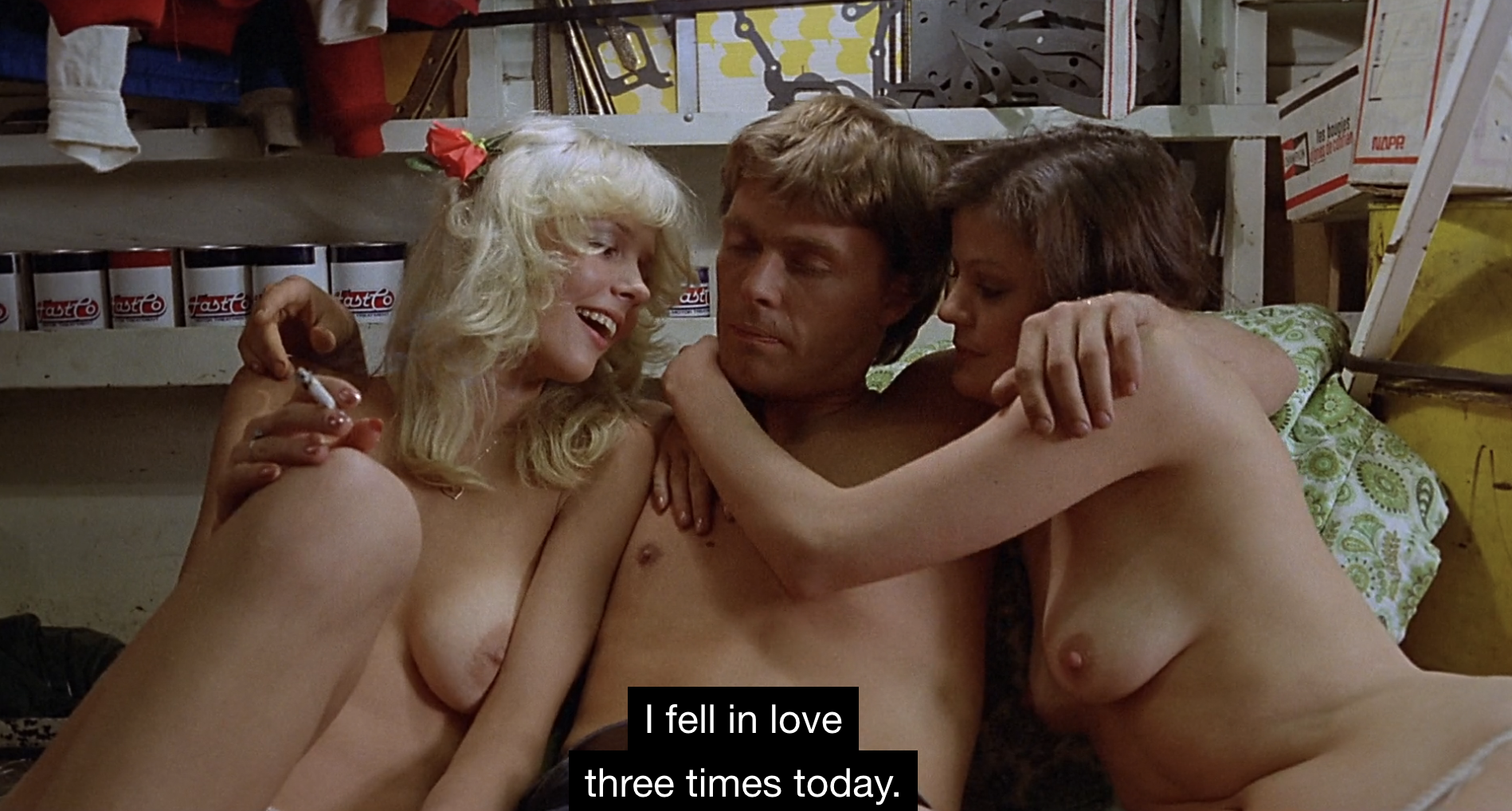
There is some elements in this film about sports being corrupted by capitalism and class issues. Ultimately though, it’s a rare Cronenberg that just feels mid in just about every way. It’s fine though and workman-like.
19. Rabid [1977]
 Much like Shivers, you can see how Cronenberg is developing his skills and putting together really compelling and raw small-scale films with Rabid. It is for all intents and purposes a zombie film, but are so many early signs and marks of Cronenberg’s personality to make it feel more rich and interesting than just a typical low budget zombie film.
18. Shivers [1975]
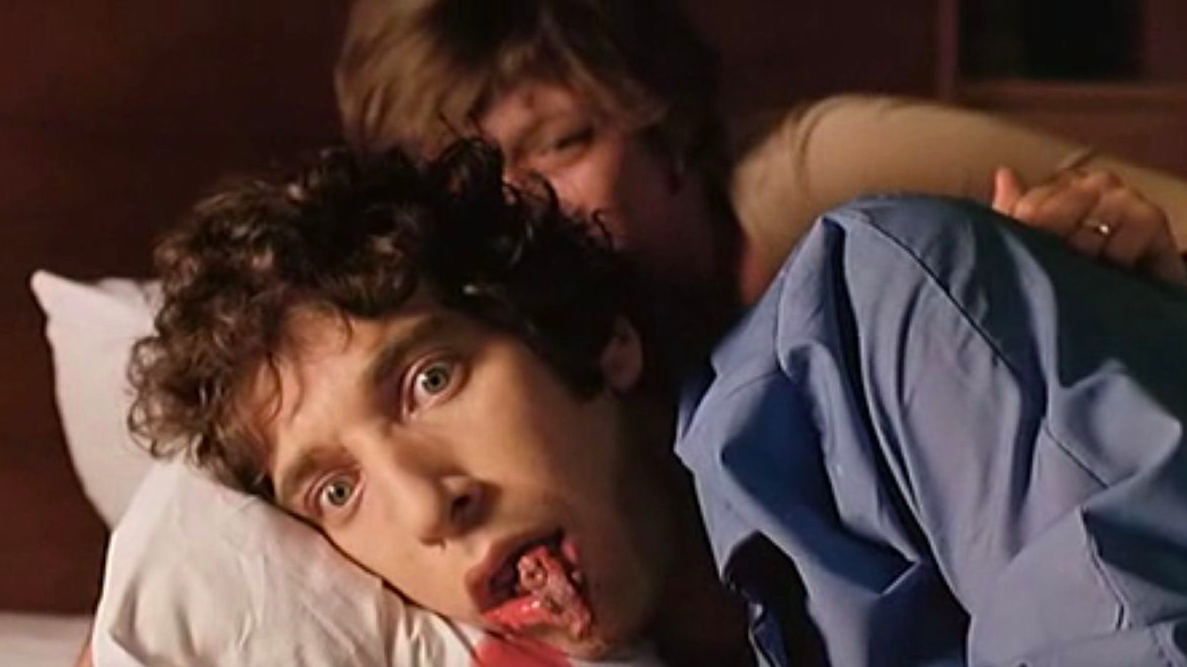
Shivers was Cronenberg’s first “big” movie that felt less like an experiment and more like a genuine attempt to make something audiences would pay to see. Shivers is a particularly satisfying experience because you get to see so many early explorations of ideas and images that Cronenberg has still been tackling (now) fifty years later. We are secretly terrified of our bodies and know they will be our own undoing. And we are extremely horny. Cronenberg takes those two themes and essentially creates a dystopian haunted (apartment complex) house film that is extremely compelling on its own merits and equally impressive given how early in his career he was.
17. A Dangerous Method [2011]
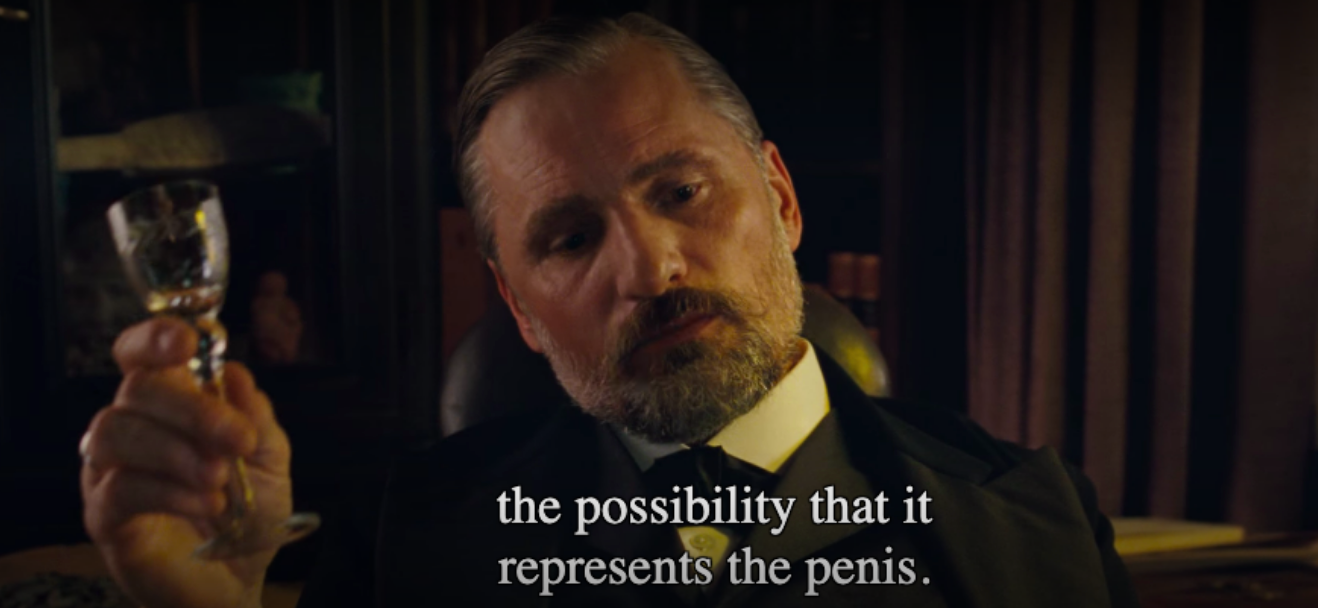
While there is possibly some deeper analysis of this film based on how it potentially interrogates some of Cronenberg’s other work and the value of the frankness in which his films address sex, the film at the end of the day is a character piece. And lives and dies on how invested you become in the characters. The movie is less about the competing ideas at play but more the ugliness that comes from ego, insecurity, jealously, and a territorial mindset. There is a self-destructiveness that those qualities bring out and causes such unnecessary division and separation between us and others. Fassbender, Knightley, and Viggo all end in various stages of dissatisfaction due to them being unable to escape some of the very personality defaults that their work was theoretically designed to address. It is quite poignant and tragic.
16. Scanners [1981]
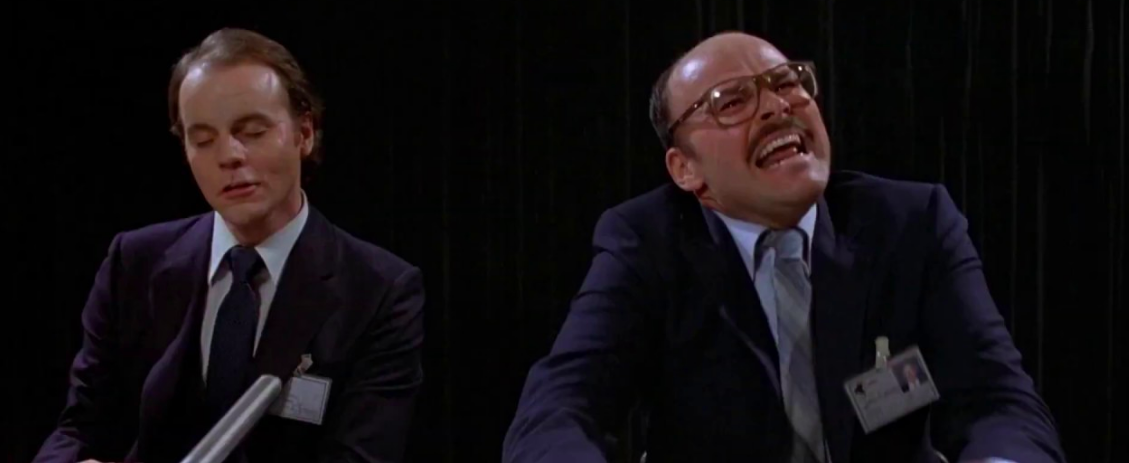
While less successful than Cronenberg’s other films from that time period, Scanners is still a gorgeous-looking film from the master. The concept for the film is just tantalizing that if anything the film suffers for it because there is a feeling of half-baked execution of it. You watch this film and just cannot help but think they needed one more pass at the script to punch it up a little (or maybe just cast literally anyone else in the lead to give the film some life). Once you get past that though, you appreciate the film for what it is. A sick concept, just awesome exploding heads, and the all-too real feeling that world is set up to conspire against all of us.
15. Naked Lunch [1991]
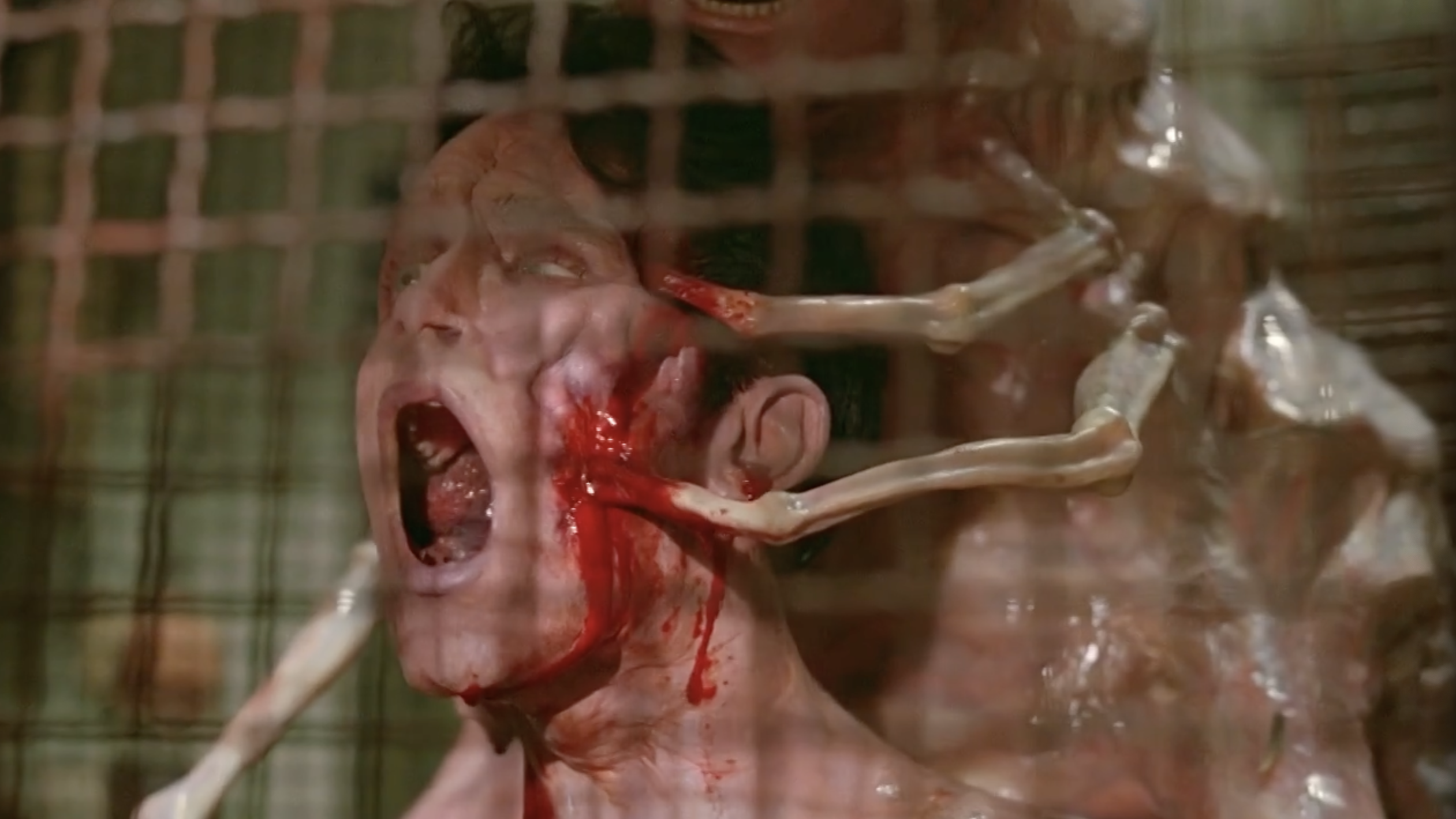
I am starting to think that William S. Burroughs was preoccupied with homosexuality and drug addiction (and bugs). Anyway, this was a fine film. Cronenberg and Burroughs’ interests intersect in compelling ways. Burroughs’ material does not really inherently speak to me (not that it has to!), but Cronenberg made a fine spectacle of it.
14. Spider [2002]
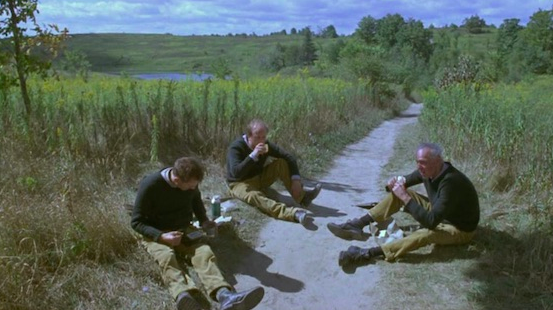
Spider feels like a change of pace for David Cronenberg in several ways. While he often employs body horror to reveal something broken with his characters, here he instead focus on a broken brain to show how damaged the protagonist. Ralph Fiennes is out of an asylum and in a halfway house. It is revealed that the start of his mental breakdown (seemingly) began when his cheating father killed his mother and then moved in his sidepiece and gaslit the boy about it and told him that the sidepiece was his mother and he was crazy for thinking otherwise. This presumably drove the boy in fact crazy. So he seeks revenge and kills his fake mother. Only for it to be revealed that it was his real mother all along, and he had been trying to cope with murdering his mother by constructing this elaborate lie in his mind about how he had avenged his dead mother instead. This was honestly a pretty insightful film about the lies we tell ourselves to numb ourselves to our own pain and why we never progress forward in life.
13. eXistenZ [1999]
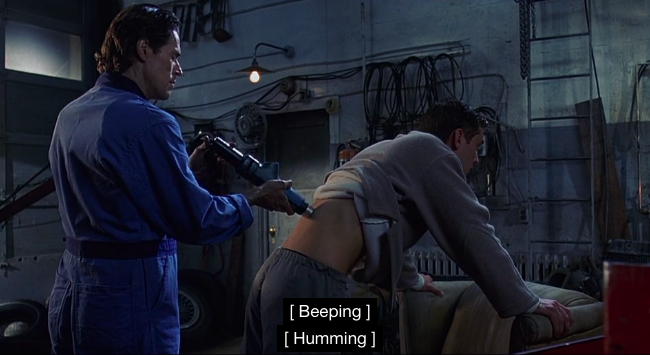
While video games had existed for several decades before eXistenz, something about this film feels completely ahead of the curve. It is obviously completely natural (and maybe even essential) for David Cronenberg to explore how people lose themselves in video game worlds or any kind of alternate reality that only exists in our own minds. This dynamic has obviously begun to manifest itself in so many goddamn depressing ways in the actual world. And it has played out like much in the same way that this film felt – everyone has developed a hardcore distrust of one another due to the dehumanizing impact of these alternating realities. They are community destroying developments in society at their core despite any positive attributes they may have.
12. The Shrouds [2024]
 On my first viewing of The Shrouds, I cannot help but be focused on one aspect of the film. On the margins of the story for the first half of the film is this idea that there is actually some grand geopolitical conspiracy involved in the narrative. It seems far-fetched and like a red herring that is not designed to be noticed all that much. One character finally does a hard sell on it, and it leads to an indelible political image: Paranoid schizophrenic cuckolded divorced Guy Pearce hiding in the woods pretending he got tortured due to a made up sino-Russia conspiracy. I do not think I have seen any film capture what it feels like to vaguely aware of how a certain class of people discuss world politics more accurately than this film. There is a lot more going on in this film than that to be clear. But for now, I cannot stop thinking about that.
11. Dead Ringers [1988]
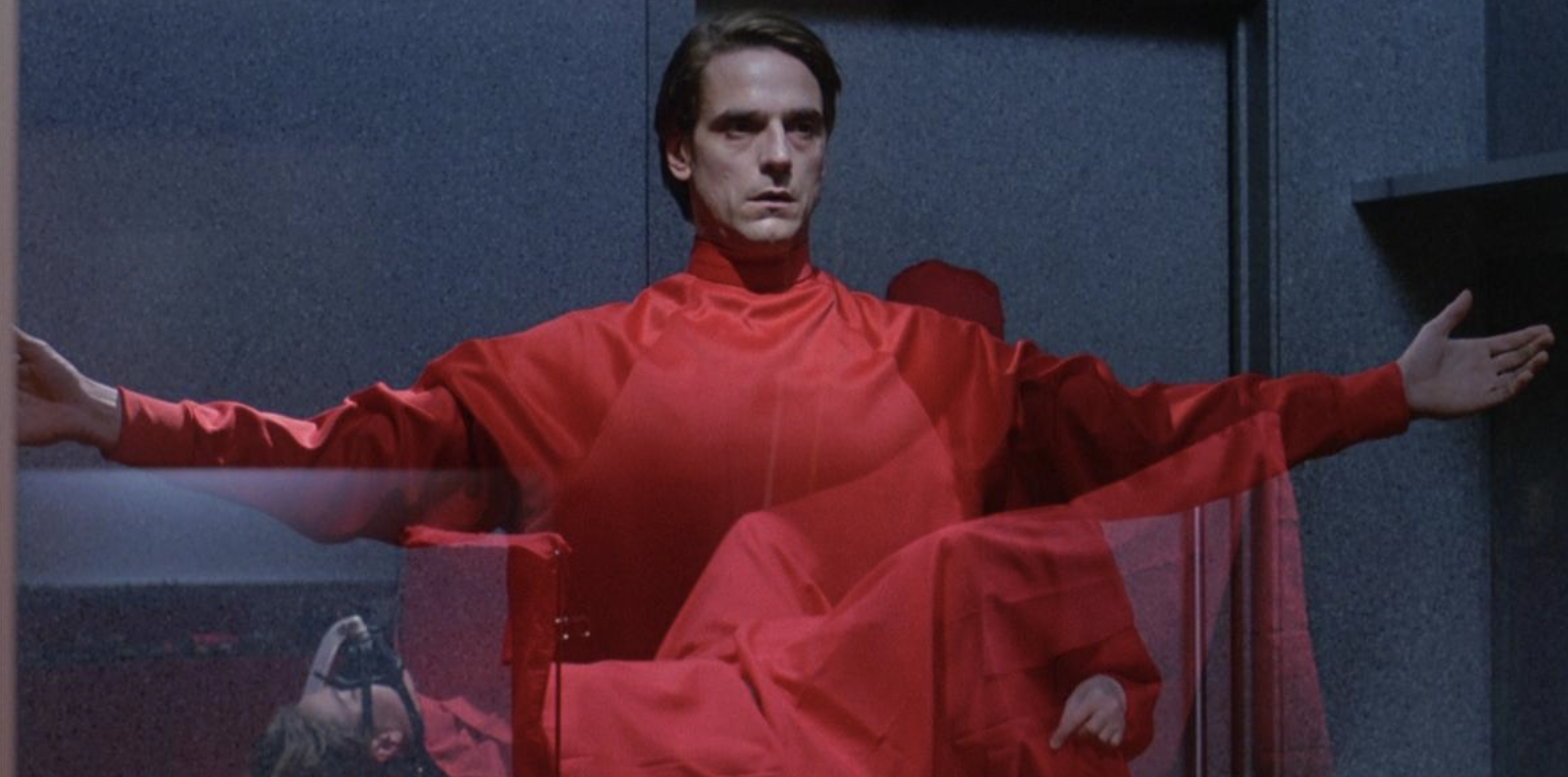
Cronenberg uses his classic body horror and horniness motifs to tell an equal parts bizarre and compelling story of two twin gynecologists who fuck the same women but without telling the women. Elliot and Beverly Mantle come into the film with an established business and sex life setup. Their lives come undone when Beverly actually falls for one of the women they did their switcheroo on. He cannot kill his true nature as a loving and empathetic person and this callous way of life will no longer work. Beverly falls down a bad rabbit hole. Elliott rather lovingly and foolishly (in that classic human way) tries to save his brother only to destroy himself and thus each other in the process. This is probably Jeremy Irons’ best work ever.
10. Cosmopolis [2012]
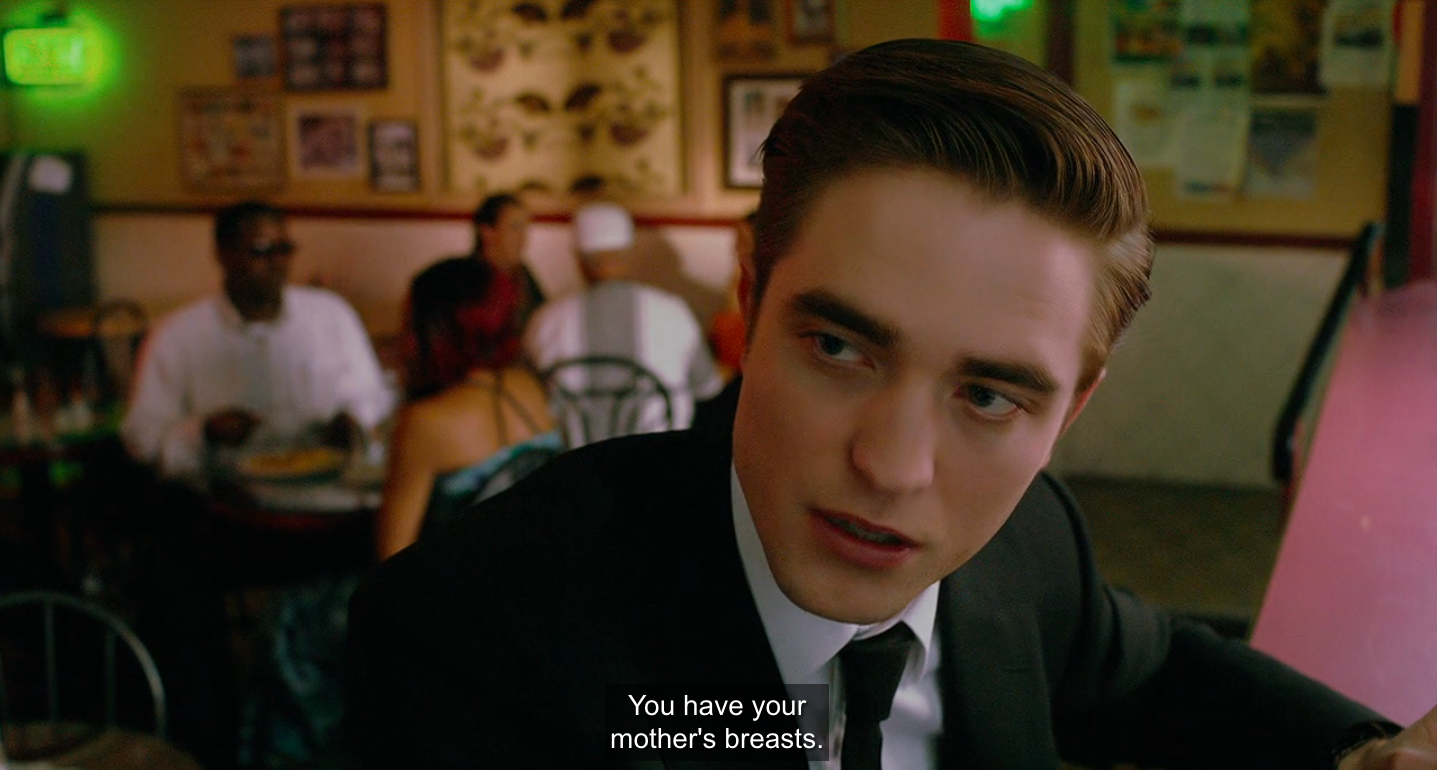
“A specter is haunting the world!”
“Destroy the past, make the future.”
“The logical extension of business is murder.”
While the body horror and the horniness is perhaps what you think of most when you think of David Cronenberg (and this has got both, don’t worry), one of the big themes that Cronenberg explores in almost every film is transformation. On the surface, this film may seem like an exception, at least for a time. The film is somewhat of a slow burn. Robert Pattinson is a young billionaire who is going on somewhat of a dark and morbid After Hours journey during the day to get a haircut. Nothing about Pattinson on the outside is literally transforming at this point but we see society crumbling around him. Or, as the film suggests, is destruction of something a creative act? Is society rebuilding? Pattison then himself goes on a path of self-destruction where he is inching closer and closer to the edge of the cliff. Is it suicidal? Or is he attempting to be reborn? Is he capable of being reborn? Does he deserve the chance? And this is not really about him. It’s about the world we have built.
9. The Dead Zone [1983]

The Dead Zone feels like it is missing some of the traditional Cronenberg elements that help to make Cronenberg stand out. It’s not particularly horny. Not too much in the way of body horror or at least it is not fixated on it. Instead, the movie grapples with the Cronenberg theme of transformation and what it means and how we change in so many ways. The way going through transformation can take many forms. Cronenberg often focuses on the physical transformation as a way of signaling change in other ways. Her it is a little more fantastical with Walken essentially developing psychic abilities after a near death experience. This turns his whole life upside down, forces him to confront the horrors of the world in both big and small ways. When that happens to a person, it can be impossible to not want to take it into your own hands. To make the world better. To see if there is anything you can do. And this of course leads to his own destruction. A beautiful film in so many ways.
8. Crimes of the Future [2022]

In 2022, after 8 years away from the big screen, Cronenberg finally made another this movie (and for a nice change of pace, made his long-awaited foray into body horror!!). Like throughout much of his many decades behind the camera, Cronenberg was drawn to the idea of transformation.
In the future, “surgery is the new sex” in a time when society is in decay and there is a much higher threshold of pain. As such bodies are both transforming both by choice and potentially without. This transformation, as it always does, leads to a reactionary movement that seeks to undermine it and control it. People are fighting for bodily autonomy. People are fighting for underground art. People are fighting to find solutions to the problems of the world. Crimes captures how messy that process is and shows how, when all the institutions resist change and transformation, all the problems get compounded. The participants become outcasts and criminalized. Crimes is not arrogant enough to think it has solutions, but Cronenberg knows the right questions to ask.
7. The Brood [1979]
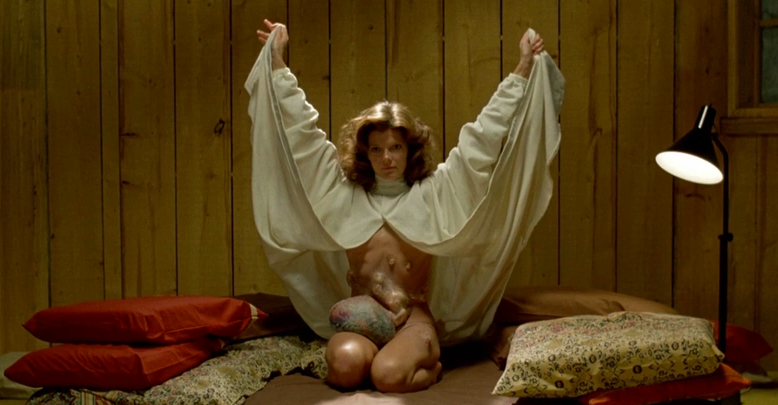
Like the very best Cronenberg films, the master manages to use body horror to capture the feeling what it is like to be alive in this cruel existence of a world. Here, Cronenberg looks at what it can feel like to be married and to be a parent. He explores how much you can constantly feel like a failure who is destroying your children. The very real fears that you are raising awful children. The very real fears that you cannot protect your children. And the biggest terror that the biggest thing you cannot protect them from is the fact that they are your children and they come from YOU. It is always remarkable to go back and see a filmmaker in total command of his form and themes from such an early stage of their career.
6. Videodrome [1983]

What I love about Videodrome so much – besides the obvious badass filmmaking makeup and body horror shit going on – is how messy Cronenberg deals with the themes. Sure, there is a right wing reactionary conspiracy about sex and violence and all that shit. But Cronenberg does not shy away from the fact that movies and television very obviously have a huge impact on how people perceive and make sense of the world. The images and ideas and themes and beliefs we consume passively on screen have a major impact on our brains. That does not mean we can excuse censorship, but it does mean we need to acknowledge the reality of that situation.
5. The Fly [1986]
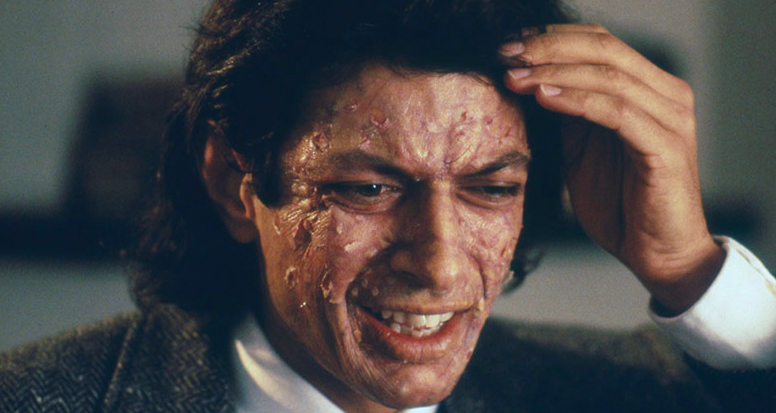
What makes Cronenberg so distinct and powerful is his innate understanding of two fundamental truths about humans: we are very horny, and we are very terrified of our bodies. Watching Cronenberg feels like watching an exposed nerve. You are watching a human body being poked and prodded and seeing how it responds, and his movies often capture that feeling. It is as if your body is the one being pricked. You feel vulnerable.
Here you see those ideas combined with Jeff Goldblum’s deep insecurity which informs his jealously of Gene Davis’ ex and also his foolhardy desire to accomplish his scientific advancements at all costs. The horniness and body horror are entangled with Goldblum’s insecurities and overcompensation. It makes for a simultaneous tragic and uncomfortable journey where you feel like this could be you if you gave in to to the lowest depths of your soul.
4. Eastern Promises [2007]
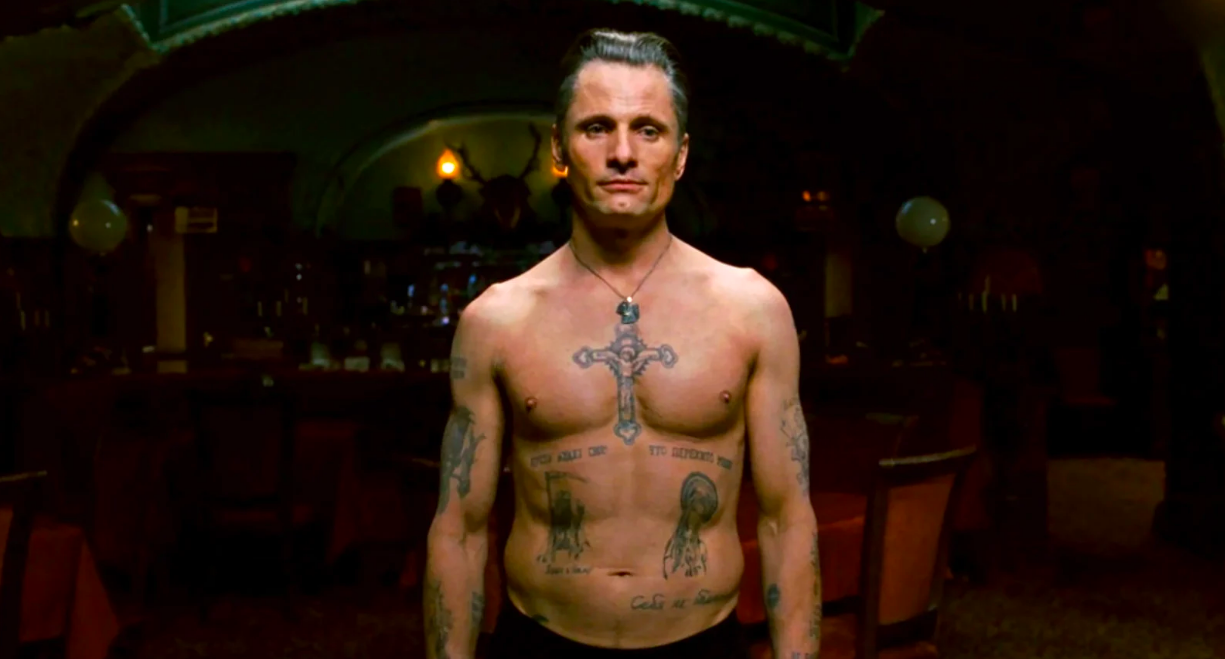
“Sometimes birth and death go together.”
David Cronenberg and Viggo Mortensen came together to make a spiritual duology exploring identity, redemption, and violence. Mortensen proved to be the exact muse that Cronenberg needed to for this new chapter in his career. Cronenberg’s skills at capturing sudden and brutal violence were on full display. And the thematic connection of the Mortensen protagonists hiding themselves in plain sight but for different reasons and different goals made for a mirror feeling to the films that was narratively pleasing and invites further exploration. If History of Violence explored the limits of transforming oneself, this one served as an exemplar of how far we can transform ourselves if needed. This concluded one of the most satisfying pairs of films any director has ever made, and it served as a fantastic (eventual) gateway into more Cronenberg for me as a young film nerd.
3. A History of Violence [2005]

History of Violence is just a cathartic and visually pleasing inverted revenge movie. It is an exercise in expert craftsmanship from Cronenberg who noticeably shifted gears for this violent duology he unexpectedly pivoted to in the mid-2000s. He found a new leading man in Viggo Mortensen, and they have been working with each other on and off ever since.
If a classic revenge picture is rather paint by numbers, Cronenberg messed with the formula here to create something equal parts surprising and satisfying. The protagonist is doing everything in their power to AVOID going on a killing rampage against some sick fucks that truly deserve it. Even in the final big shootout, it is not until it’s a choice between living and dying that Mortensen decides to go on the killing spree and butchering everyone from his past. It is an inspired structure.
2. Maps to the Stars [2014]

This is just the biggest hate letter to Hollywood and thus America ever. And for that it is fucking amazing. These are your gods? This is who you aspire to be? This is your biggest export? This is just a damning indictment of this rotten land and how self-destructive it is, and it how it eats itself from the inside out. The film is far more spiritually body horror than a typical Cronenberg. I would go as far to say that the film is more soul horror if anything. We are completely broken, and there is nothing we can do about it. Maps to the Stars is one of the nastiest films I have ever seen, and it is all the better for it. I loved it.
1. Crash [1996]
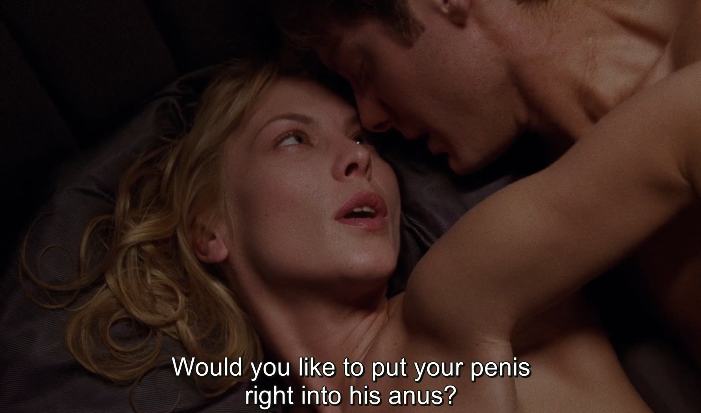
The destruction and terror of our bodies and being exceptionally horny: Cronenberg just gets fundamental aspects of being alive that go too unexplored elsewhere in cinema. With Crash, Cronenberg explores how interconnected being broken and being horny can be end up being. While the film literally focuses on being physically broken, (not much) deeper down it is much more about being emotionally broken. When you are broken in some for or fashion, it can dramatically shift your relationship with what turns you on. In our deepest, darkest moments, the mind can drift to unexpected sources of exploration. Why do our thoughts go there to get off? Cronenberg uses that idea to craft an erotic and tense thriller that keeps you on the edge of your seat the entire time.
 The Reel World