The Bear is THE trendy show of the moment. It is perfectly fine for the most part. The hype is insane, but when the masses are starving they will think meat loaf is filet mignon. I am a snob. So be it.
4. Season 2: “Because no amount of good is worth how terrible this feels. It’s just a complete waste of fucking time.”

It is truly and genuinely disheartening to see a funny show about restaurant full of broken people decide it thinks it is “real art.” The elements of the show that worked from the beginning still work. When there is a sense of urgency and the broken people of the show are desperately trying to survive whatever situation they are in (be it opening night of the new restaurant or family Christmas). The elements of the show that do not work and feel phony as hell also continue to drag the show down. They are forcing prestige and nicecore elements into the program, and it is such a goddamn drag. For real though, that Christmas episode was as good as advertised. More shit like that from this show, please.
3. Season 3: “I have just accepted that I will never be comfortable again.”

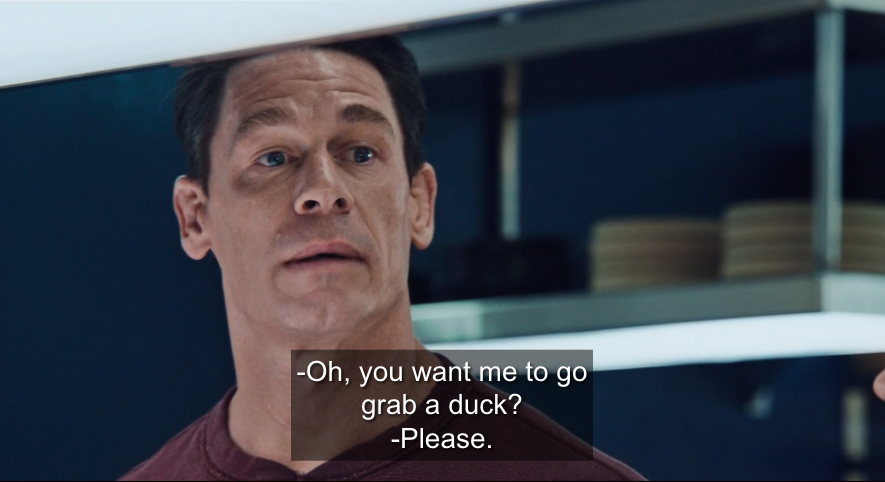
Season 3 felt like the synthesis of what the show was doing differently in season 1 vs. season 2. It was almost the non-stop manic energy of season of broken people dealing urgent situations in the most chaotic way possible but without the up-its-own-ass quality that was so pervasive in season 2 that felt so inauthentic. There are still the nicecore and therapy-dialogue elements that feel annoying moment to moment, but they were less of an overall drag on the show. (Instead, the big cringe moment was John Cena showing up as another Fak brother. C’mon. You gotta know where the line is.)
The show seemed to fully find its lane here in a way that it failed to do in its first two seasons. Yes, the show takes itself a bit too seriously, and it should be more funny than it is. But it did feel like a truly sincere exploration of how people get through life all while their past constantly exists inside them at the same time. Moving forward and the past haunting are two things that need to coexist in all of us if we are to be at peace. Otherwise we will perpetuate a cycle of harm onto the next generation of family and people that come into our lives.
I was getting ready to call this the best season of the show, but then late in the finale they cribbed the Mad Men meme with Don saying “I don’t think about you all” and a closing party montage straight from American Pie where the stunt casting stars were in the same room with the Faks. That is too much of a stream-crossing situation to dignify.
2. Season 4: “What if they don’t let you fix it?”
It is fascinating that The Bear has had this roller coaster public perception battle that is wildly disproportionate to the overall quality of the show. It has always mostly resided in the “it’s fine!” category of television shows. Sometimes it gets above that (though not often for long stretches of time), and sometimes it sinks below that for too long (season 2). I liked this season well enough mostly for Syd’s journey in this season. She finally accepted that this institution she has wedded herself to is not going to be fixed due to the leadership. She knows this. She knows she cannot fix it from the inside. And she cannot stay away. This is a most painful human experience made all the more interesting through the eyes of Syd – a black woman existing in a white-run space. That arc this season is one of the best things The Bear has done.
1. Season 1: “You’re Watching The Fire And You’re Thinking, ‘If I Don’t Do Anything, This Place Will Burn Down And All My Anxiety Will Go Away With It.’”

The Bear became a big “buzz” show in 2022. It is not hard to see why. It’s a really well made with mostly instantly fully-formed (aka heavily flawed) characters trying to make their way through the world in an extremely tense and (falsely) high-stakes situation. The characters feel like human beings that if you don’t know them yourself, you fully understand why the way they are and empathize with their self-sabotage. Probably the most unique aspect of this show on full display in its debut season was that it felt like almost all of the main characters were emotionally self-aware, yet were basically not able to make their lives meaningfully better. On one hand, it seems to speak to the difficult of making your life meaningfully better, but there is also a note of falseness to the show. It almost feels like all the characters tried therapy but stopped for whatever reason. Which, while very believable, at times it just feels kind of corny.
 The Reel World