Ryan Coogler has pretty much always had the reputation as a talented (if not great) filmmaker despite some of the shortcomings of his films. The one unquestionably disappointing part of his career is that he has been stuck in IP hell. The first film that can be considered a truly original film (depending on how you classify Fruitvale) from Coogler was his fifth film. Hopefully its success means he will no longer be caught up in the shenanigans of Hollywood nonsense.
5. Wakanda Forever [2022]
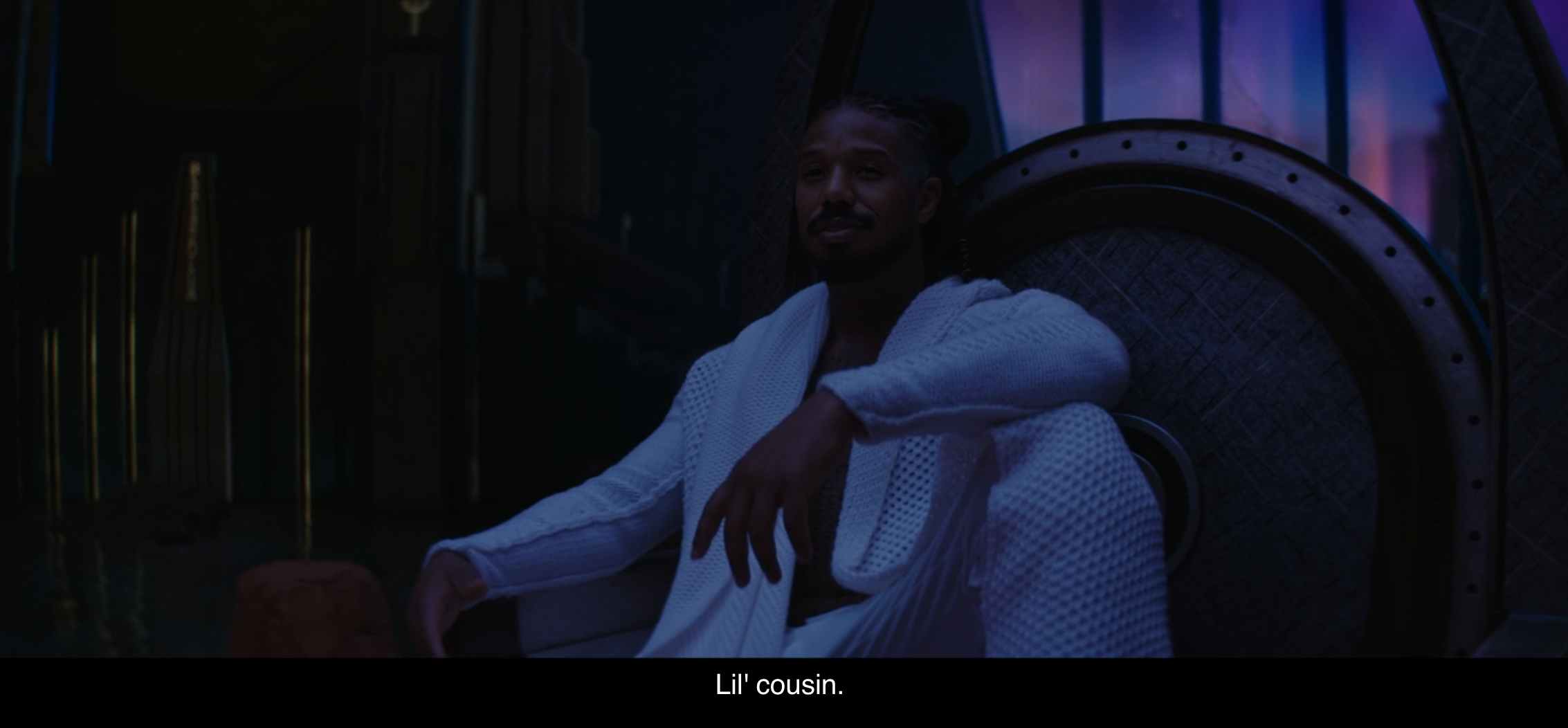
After conquering the black revolutionaries, the new Black Panther now gets to wipe out a lost indigenous community from the Americas. I understand why they decided not to recast Black Panther here. There was a lot of emotional attachment to Chadwick Boseman. The film opted instead to kill off T’Challa to give the audience a chance to mourn Boseman. There were probably no good options to be fair; at the end of the day, there only thing that really matters is that this film did not have Michael B. Jordan and Chadwick Boseman to carry it through the squeamish parts.
4. Black Panther [2018]
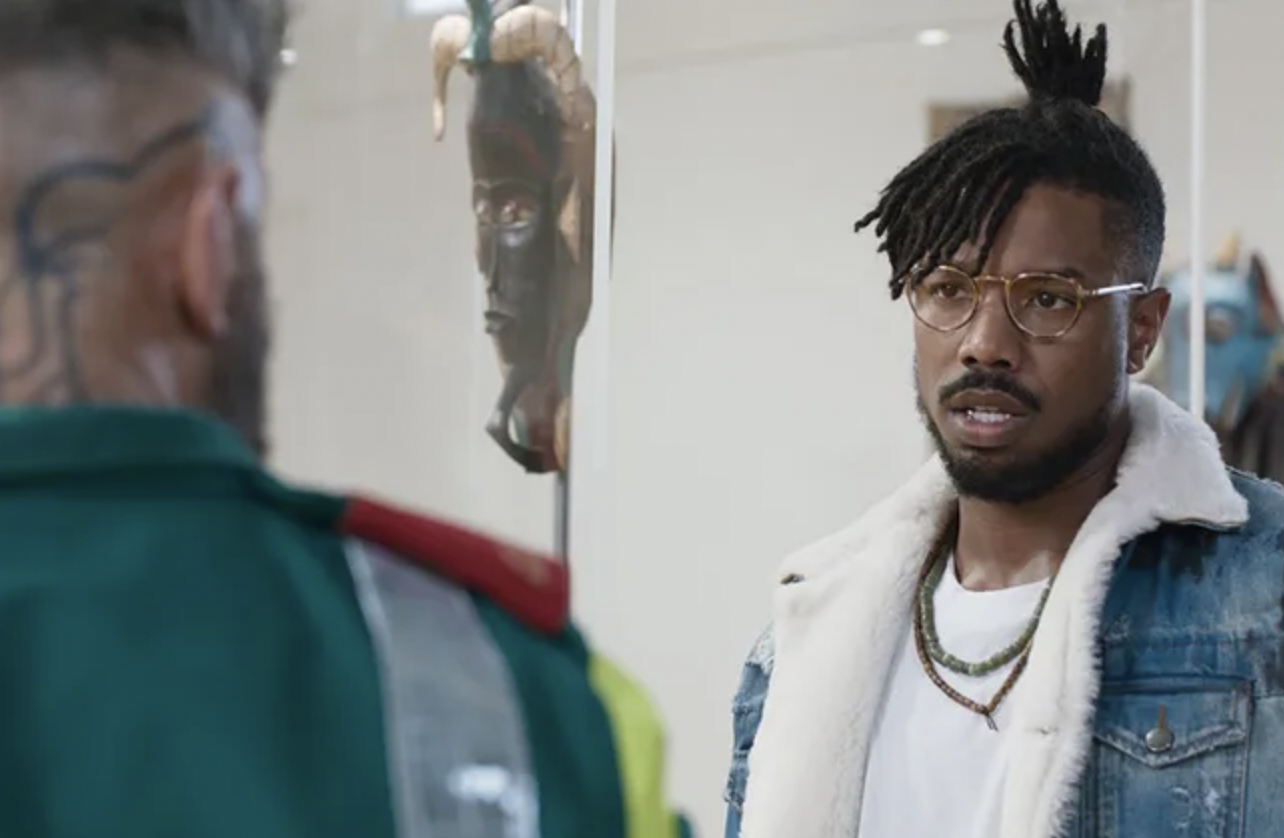
Thank god the royal family of an isolationist African country teamed up with the CIA to save the world from a Black internationalist revolutionary in the name of opening up charter schools in Oakland.
3. Creed [2015]
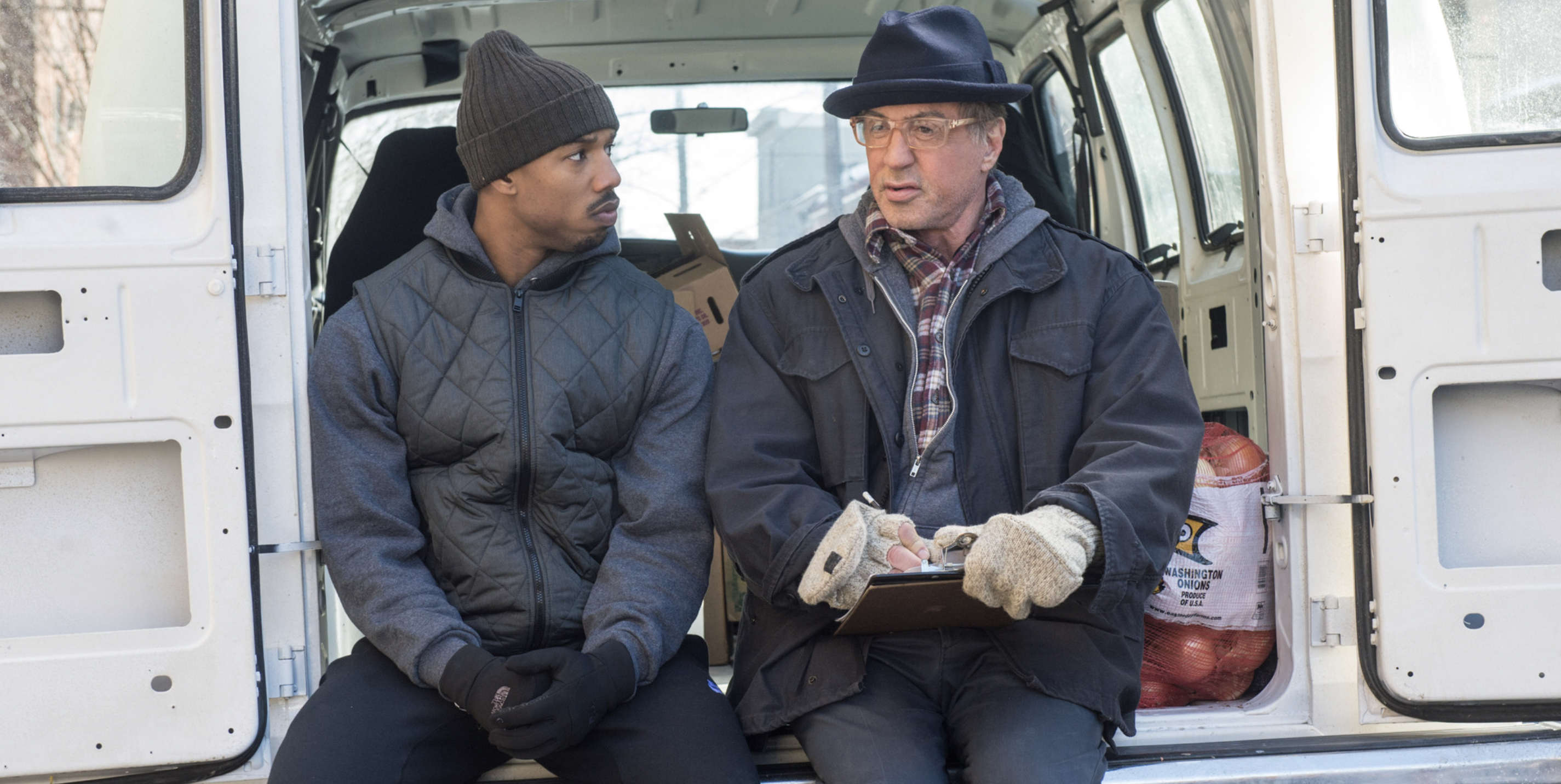
Given my previous disinterest in all things Rocky Balboa, I was so pleasantly surprised to see what a good movie this turned out to be. Even more surprising though for me was that the highlight of this film is the seamless integration of Stallone into a new story. Stallone gives a sincerely brilliant performance here and was deserving of all the praise and accolades he received.
Rocky at this point in time is in an all-too-common emotional place. He is simultaneously at complete peace and content while at the same time he is full of regrets and unfinished business. It may seem contradictory but really it is how so many people finish out their lives. Rocky has another chance to do something and to feel like he has made an impact and find some comfort. It was quite stunning, and in my ignorance, I did not previously realize Stallone was capable of such work. Shame on me.
2. Fruitvale Station [2013]
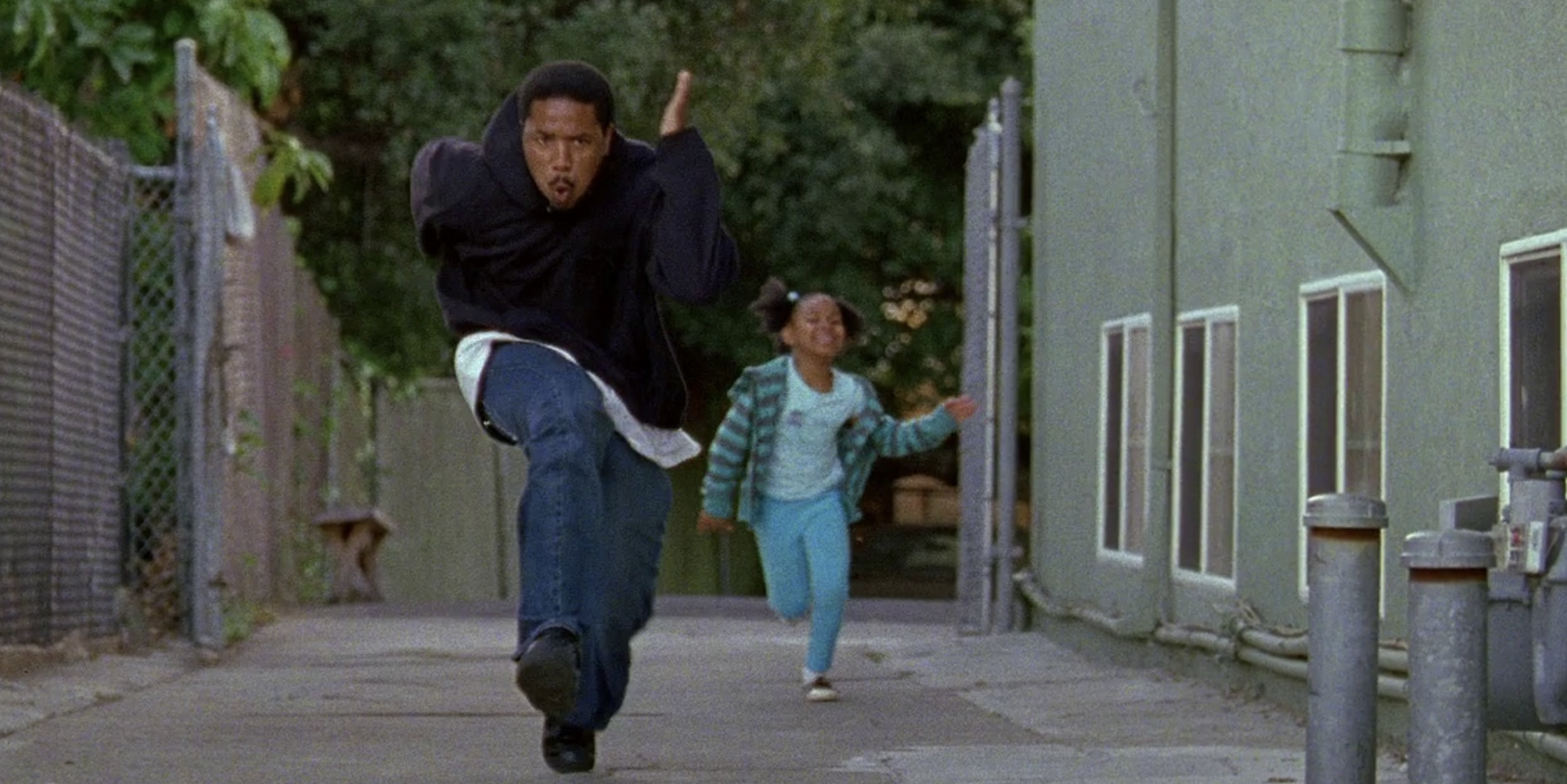
It is impossible for me to separate how I feel about Fruitvale Station from the fact that it has been a part of my curriculum since 2016. This is a film that students have been responding enthusiastically to for now close to a decade. What strikes me so much about Coogler’s first film (and the start of a beautiful partnership with Michael B. Jordan) is how it exists in conversation with both the history of Hollywood and the history of United States media in general. Hollywood and the broader media have worked hand-in-hand forever to display Black as an inherent threat to the safety of the country. As Donald Bogle infamously pointed out, black people were often portrayed as condescending and racist stereotypes. There are also nearly unlimited examples of the broader media referring to black victims of state violence by saying they were “no saint” to soften the audience’s sympathy for their death. Fruitvale Station is an explicit rejection of that. Coogler and Jordan however avoid the trap of doing a complete 180 and dehumanizing Oscar Grant by. They instead portray Oscar for exactly who he was – a man. Like the vast majority of human beings in history, Oscar had beautiful strengths and genuine areas of growth as a human. It is a beautiful film.
1. Sinners [2025]
 Sinners caused a wave of sadness to wash over me in a manner that I cannot remember happening with a film in a long time. Ryan Coogler, free from Intellectual Property Hell finally, made an essay film about the United States disguised as a genre film. Or perhaps it would be more accurate to say that it is more interesting to think of it as a beautifully shot and thrilling essay film rather than “just” a vampire horror film.
It is a film about these United States and western society in general and how to be successful in this world that has been built. The film is centered around two black twin brothers. They grew up in early 20th century sharecropping Mississippi. They learned quickly that to follow the rules in that environment would not lead to anything better for their lives – thus, they were drawn to a life of a crime that eventually led to them being soldiers in World War 1 and eventually heading to prohibition-era Chicago where they participated and clashed with the Al Capone-era gangsters.
The conditions in which they were born and raised and lived through taught them one lesson: the United States is a dog-eat-dog world. There is only power, and that path to power is money.
In order to assimilate to United States culture, you are sold a dream to becoming a capitalist in one form or another. The Smokestack twins became criminals. Grace and Bo Chow bought in to the dream by opening a series of stores. If you do not buy into the dream, the price is clear. You can become a cotton picker like Cornbread. You can chase your art forever and never accumulate any real power like Delta Slim. You can dive all in to the white man’s religion like Sammy’s preacher father. In other words you can get doped up on wage slavery, religion, and/or drugs and alcohol.
The film’s central conflict is generated by the Smokestack twins attempting to execute a plan to buck these trends. They return to their hometown for one purpose: to build something that would both be good for their community and can provide dignified lives for themselves. The plan: buy property from a klansman to make a juke joint. In the 24 hours in which the vast majority of the film takes place, they buy up the property, recruit their workers, and put on the big grand opening.
The juke joint is an honest attempt to do something good for the community while also making themselves money. As Delta Slim explains to Preacher Boy, the white man may have forced their religion on them, but they brought the music with them. The music has been with Black people long before they were kidnapped from Africa and has existed long since chattel slavery ended (this idea is very directly captured in the film’s most spellbinding sequence). In other words, to make money money off bringing the community together to foster an environment of pleasure is as honest of a money-making scheme as it gets be in the United States. It is the closest form of business* purity that could be produced.
*In a very notable and important, blind-and-you-miss-it moment, the Smokestack twins briefly discuss how bleak their financial prospects are for this venture even after a very successful grand opening
But Black people cannot build anything here without it getting taken away from them.
Because just when it seems like there is some true joy and pleasure in this community, the life gets sucked out of them. Ryan Coogler took the infamous Malcolm X quote and made it literal. The true power in this country comes in the form of the blood sucking capitalists. In Sinners, the blood suckers are literally vampires.
It is then incredibly notable that the first vampire is an Irishman. The Irish have long been the subject of brutality from the British. The Irish immigrants in the United States were then treated like shit and were very much second-class citizens. How did the Irish get to be white in this country? In short, they became the protectors of capital and ruling class; they became cops. For an Irishman to be on the run from a Choctaw tribe of vampire hunters** and then to be the one that tortures and destroys a Black community is a very obvious and important choice.
**The Indigenous peoples of this land were the first to suffer from these blood suckers and were better set up to fight back initially compared to the kidnapped enslaved population.
This choice emphasizes both how so many Irish Americans succumbed to the temptation to become a blood sucking parasite and how that choice is not truly available to the non-whites in quite the same way. The fact that the first black person we see in the film become a vampire is the white-passing Mary is also a significant choice. It is so much easier for the white-passing to blend in and join the blood sucker class. Assimilation has long been the policy of this country – assimilate or die.
A handful of characters manage to survive the first major skirmish with the vampires, but it does not last forever. Grace Chow eventually succumbs to desperation and grief and invites the vampires into the juke joint in a decision that can only lead to destruction for all the Black people she and her family have aligned themselves with. This also seems like a choice of significance. Why is it Grace and not one of the Black characters that eventually invites the vampires into the juke joint? Why is it Grace that allows the vampires to destroy this one perfect night for good? It leads to the (visually incoherent***) fight between the vampires and surviving humans – a fight that rather quickly leads to the deaths of almost all the previously surviving characters.
***Coogler learning to shoot action in Marvel hell definitely was on display in this scene.
It appears that Preacher Boy is the last surviving human, but the Irishman lead vampire has him literally in his grasp. The end is nigh for Preacher Boy – the boy who, when given the choice by his father to choose religion or music, chose music. But in what appears to be his final moments, Preacher Boy cannot help but start “The Lord’s Prayer.” The Irishman joins in and adds on that his father’s land was taken by men who showed up and forced their religion on them too. He confesses that he cannot help but be comforted by these words despite their origins.
In that moment, the whole film comes together. For most of human existence, there have been powerful classes of people who have inflicted a great deal of pain on the masses. They divide and conquer. They insist upon subservience and assimilation. In the United States, the current head of the Western Empire, this domination over all the masses has taken shape in various forms including the perpetual oppression of Black people.
What can one do against such a reckless lust for power? What options do Black people have in this country? Sinners lays out three paths at the very end. Smoke avenges his community by wiping out the local KKK chapter before succumbing to his own wounds and joining his former love and their baby in some afterlife. Stack and Mary fully assimilate into the blood sucker class to maintain their power as long as possible. And Preacher Boy becomes a famous musical artist – one of the two paths society and the mainstream media tells black boys are their only escapes (the other of course being professional athlete).
The film is a cold and devastating reminder that a better United States is not possible.
These sins have been laid in the foundation of this land for the last 500 years. Blood suckers have been destroying lives and anything anyone tries to build for themselves. And it will always be that way. All you can do is hope you can have the best night of your life as many times as possible before the blood suckers eventually find you.
 The Reel World