Let the great Willow Maclay explain Lynne Ramsay to you:
5. Ratcatcher [1999]
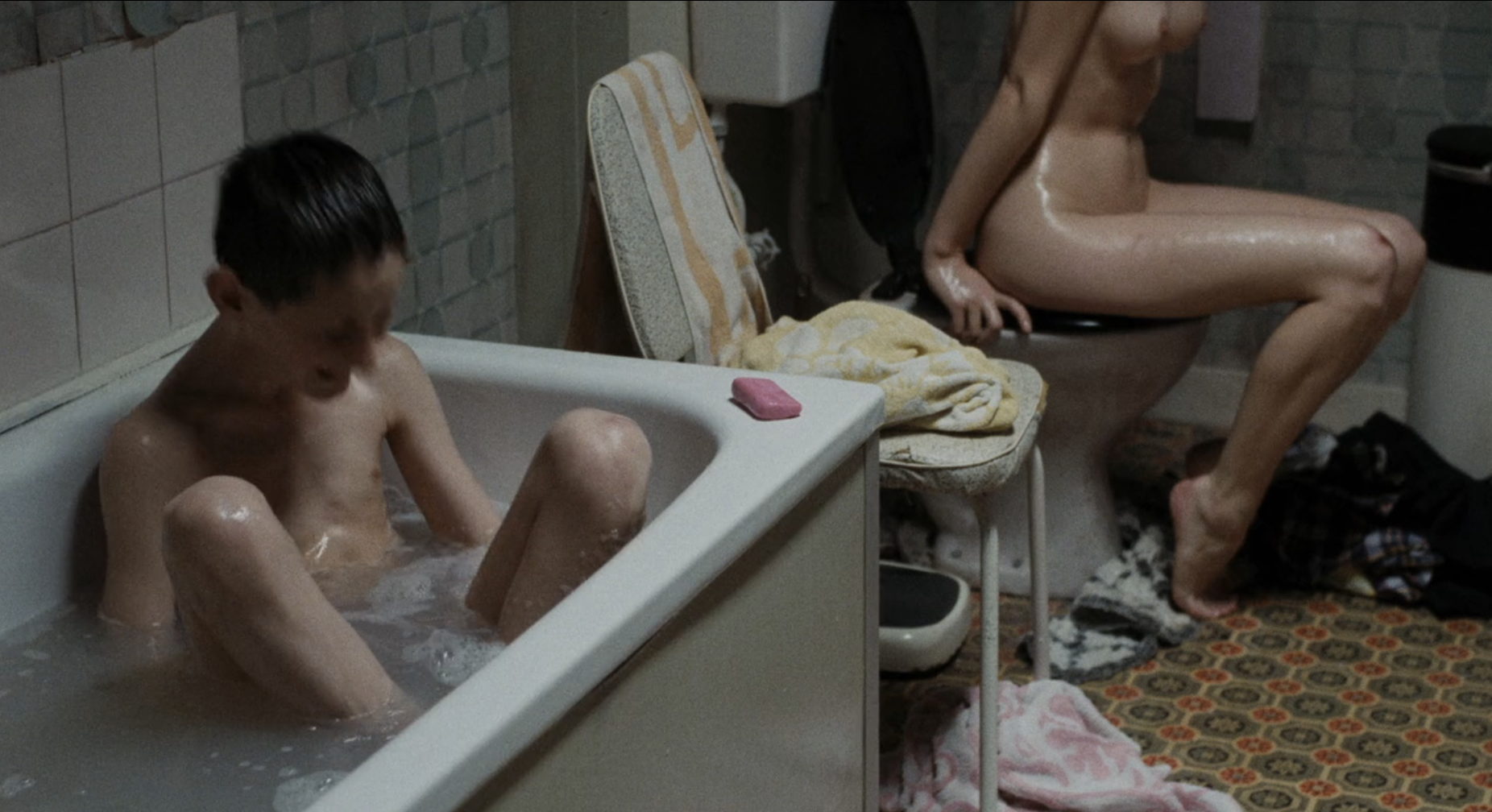
Lynne Ramsay’s debut film is a coming-of-age film about a young boy James growing up in a rundown housing project in Glasgow. The setting is grim, and it is impacting everyone in the community. The film is suffocating in how much it seems options are limited for everyone.
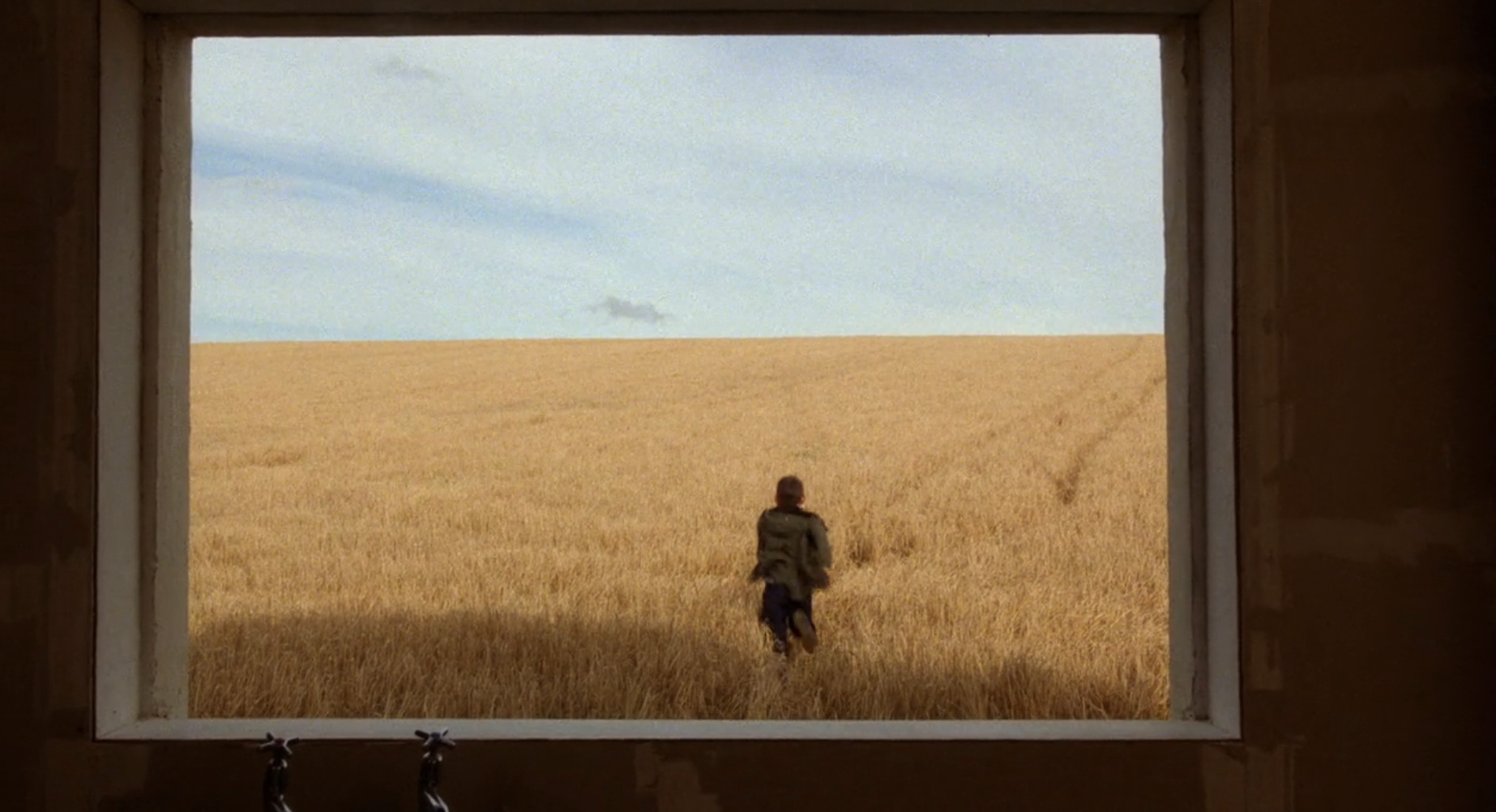
That feeling is best captured by the standout sequence of the film that stands in harsh juxtaposition to the rest of the film. James takes a bus to the end of the line at one point, and he finds an abandoned house. From there, he sees a beautiful, golden field of wheat. He leaps out the window and starts running through the field. It is his one moment of liberation in an otherwise stifling life.
Later in the film, he tries to recreate that moment by going back to the same field. This time it’s in the middle of a downpour though, and he cannot recreate the magic. He then sees his crush being sexually assaulted by some local boys. Is there any way to escape such a stifling life? What does it say about society that we condemn so many to such an existence?
This was a fine debut film despite it being unbelievably hacky for an indie filmmaker to both do a scene of a woman pissing on the toilet and to have multiple shots (including the closing one!) have the young protagonist staring meaningfully and directly into the camera.
4. Die My Love [2025]
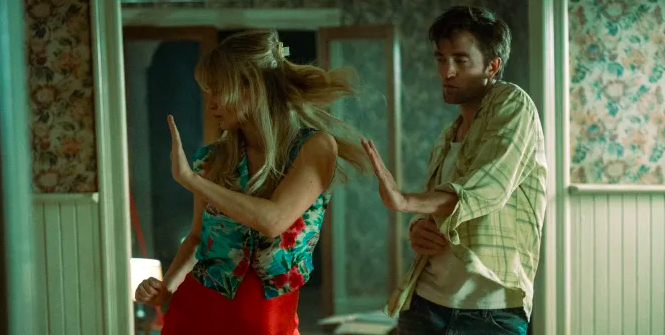
As Ramsay is wont to do, Die My Love is a mood piece designed as an almost an exercise or acting reel for Jennifer Lawrence (and Pattinson, to a lesser extent). Lawrence and Pattinson have left New York for nowheresville. She just gave birth to a child. She is an artist who can no longer create. She loses her mind. The film captures feelings of chaos, despair, and uncertainty that come from being in that headspace and from being around someone like that. The vibes are absolutely rancid by design – it is a feel bad film. But the film is a true and sincere experience. One that is worth riding once, and then you will probably never want to again. Leaving NYC to have kids will do that to a person.
3. We Need to Talk About Kevin [2011]
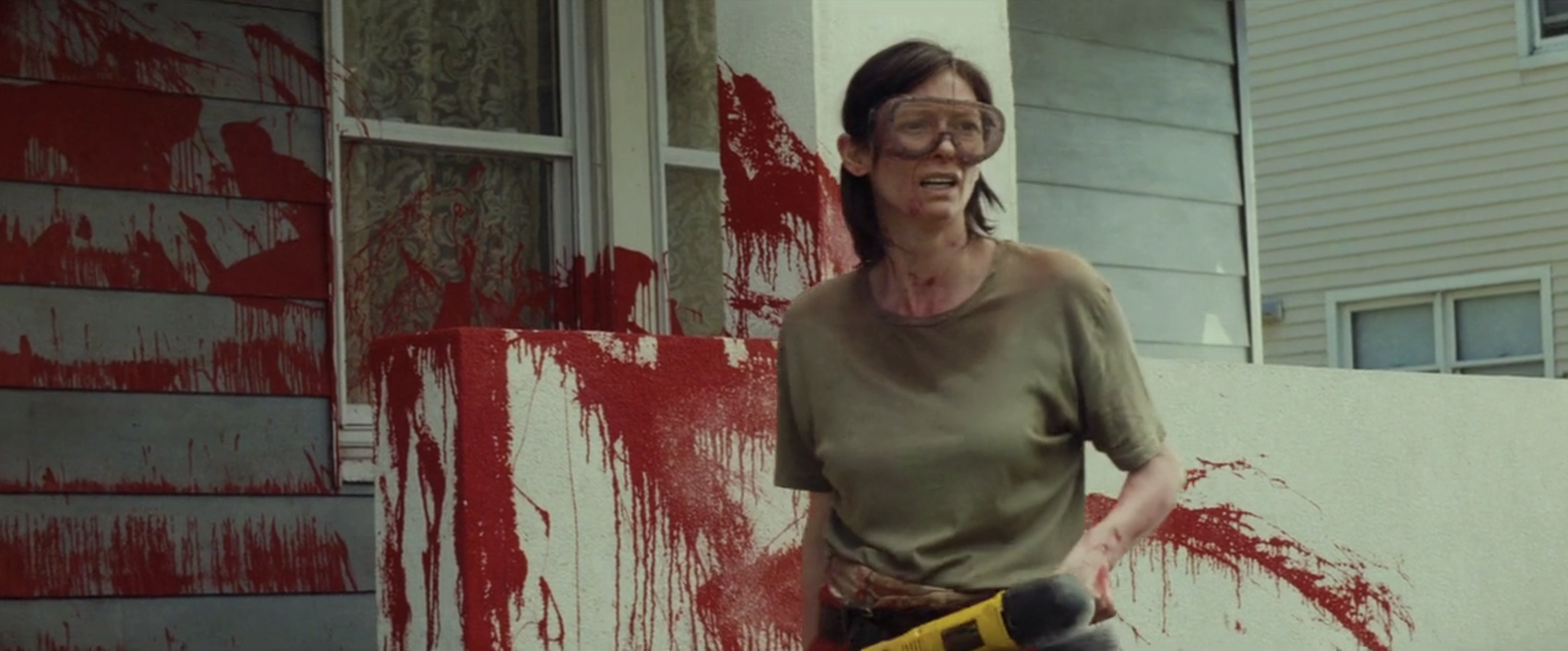
There are three major aspects of this film that really stand out to me. For starters, this is the only film that I have seen that has tried to genuinely engage in the question of “What was their childhood like???” in regards to a violent psychopath who commits mass murder. Ramsay makes the notable choice to sidestep the guns issue* (the primary weapon of choice to commit mass murder in the United States) and instead focuses on the murderer themselves. The child, Kevin, from essentially since the moment of their birth is shown to be incapable of empathy and actively manipulates people based on their emotions to get what he wants at all times. While the titular Kevin was an extreme and heightened example, these characteristics are absolutely chilling when seen in children. Ramsay terrifying brought them to life in a way that has never felt so plausible before.
*Arguably, an irresponsible artistic choice given the country the film is set in.
That leads to my second point of interest: Ezra Miller. Color me surprised, but Miller was stunningly effective at portraying a sociopath who can do harm to others without seeming to feel anything resembling bad about the harm they have done to others. They were almost suspiciously good in this role. In all seriousness though, the movie becomes all the more haunting for having Miller in this role. It was a completely unintended layer that is impossible to ignore a decade later.
And finally, this film is just a bold exploration of motherhood in both what it has to say about it and how it goes about saying it. This film does say something about the way children can respond and treat their mothers. The movie takes that very true resentment that can be present in relationships between children and mother. We experience what it is like being in Tilda Swinton’s head and how all the emotions and memories swirl in your head as you try to process the horror of what happened in your life. The film goes back and forth in time moment to moment which is how memories feel in retrospect. Memory, trauma, and processing are not things that happen neatly in order. They are all happening simultaneously and are a minefield. Ramsay conveys that deftly.
2. You Were Never Really Here [2017]
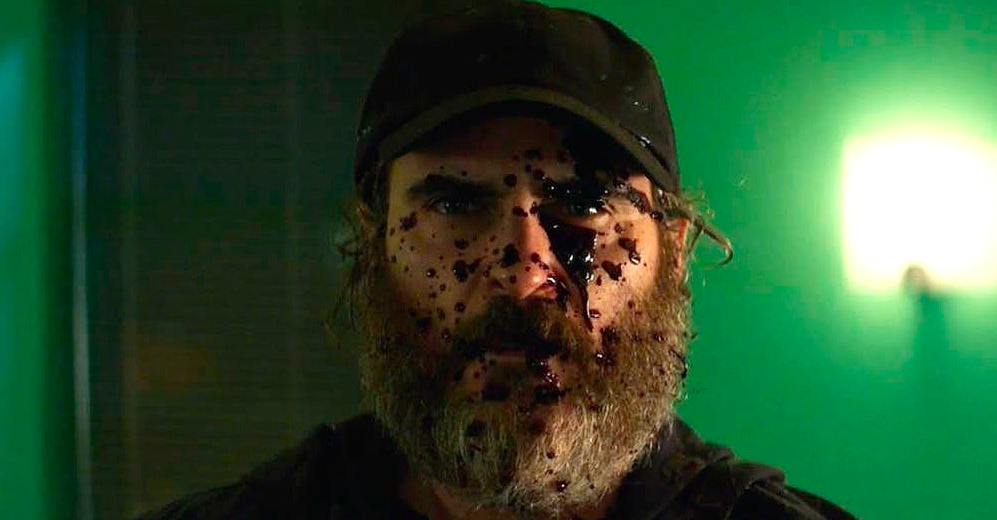
You Were Never Really Here is one of those films that just made a huge impact on me in the theater and has only grown on me more and more with each rewatch. Besides just being a compelling story and character study on the surface, it is a brilliant deconstruction of the one-man revenge film. The film strips all of the aesthetically and character-based romantic qualities of the genre. The action is no less thrilling, but the film is far more gruesome and despondent than most revenge films are. In a time when violence is casually conveyed as if there are no real physical consequences to it, this film is brutal reminder of the very real destruction and tearing apart of bodies that violence causes.
Joaquin is in peak form here. He brilliantly conveys how much of a lost soul he is in every way. He is a lost man clinging to structure to keep him going. A man like him can only do these things when they have been robbed of childhood innocence. He is the classic toxic codependent relationship with his mother who is actively deteriorating in mind and body. There is nothing about him or his to celebrate. He is a representation of how broken people can be and how broken the world is.
1. Morvern Callar [2002]
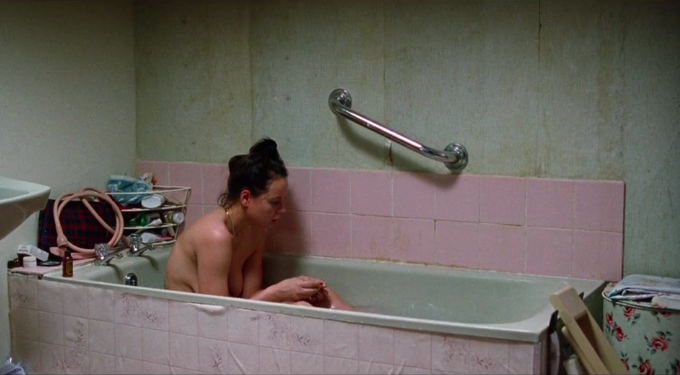
“I’m happy here…everyone I know is here. There’s nothing wrong with here. It’s the same crapness everywhere, so stop dreaming.”
Samantha Morton is the titular Morvern Callar. She wakes up Christmas morning to find her boyfriend dead by suicide. He left her some cash for the funeral, a suicide note, a mixtape, and a novel manuscript and a list of publishers to send it to. Morvern does not report the death. She does not pay for a funeral. She does not make a proper funeral at all. She spends the money on a trip to Spain for her and her friend. She sleeps with a random man. She wanders around Spain, lost as hell. She sends in the manuscript but under her own name and eventually signs a contract as if she is the author. She decides at the end to leave her life behind in Scotland.
The film is a mood piece. It captures the emotional experience of Morvern without telling us anything. This is a woman experiencing inner turmoil and chaos. It is also a story of a woman lashing out and rebelling against the restrictions and obstacles she has clearly experienced. The film almost plays out as a fantasy/adventure film. Morvern is on a quest and a journey only she does not know the destination let alone what she is searching for. She seems to be seeking independence on some level. Free from being tied down to anything or anyone. The moment she starts living that way, life starts suspiciously going her way – she gets to act out, free of consequences. Money falls into her lap.
Willow Maclay wrote, “Morvern never takes the time to fully reckon with the loss of her lover; instead, she overdoses on life.” It is almost a revenge story in that way. Morvern is getting whats hers after so much had been denied for so long. The film is under no delusion that this will continue – after the high of overdosing on life comes the hangover. How will Morvern deal with the regular-ness of everyday life in this world she is haphazardly building for herself? Does she have the tools to survive at all let alone make something for herself that is satisfying?
 The Reel World