Agnès Varda was one of the great artists of the last 100 years. Her natural and practiced curiosity allowed her to make interesting films right up until the end of her life – a time when the vast majority of artists seem unable to keep the fire alive.
Agnès Varda Articles on The Reel World
Ranking the Agnès Varda Films
Thoughts on the Agnès Varda Documentaries and Short Films
12. Lions Love (…and Lies) [1969]

“I think being in love is dreaming with your eyes open.”
After the all-time classic, Le Bonheur, it seems as if Varda was really trying to push herself in terms of form and content of her films. She did not settle into telling the same old stories over and over. This is always a welcome direction for a truly genius filmmaker to take – but it does not always lead to tremendous results. This was one such case. The film at its best serves as a time capsule of the late 60s in both Hollywood and the United States in general. It is a VIBES movie – you’re hanging out with three hedonistic actors. The problem is is that the vibes are rancid. It’s very hard to make a movie about mood and hanging out when the film just makes you wish you were hanging out with anyone else. The instinct to go against the status quo in the 1960s (and pretty much any time ever) was the correct one – but some people sure were fucking annoying in the process and this film is a showcase for those people.
11. Les Creatures [1966]

Les Creatures was a completely different film than I had ever seen from Varda before. It is a fantasy story that has characters literally controlling other characters’ fates like the literal pieces on a chalkboard (see above). It explores interesting ideas like reality vs. fiction, the role of the writer, how audiences respond, etc. The execution however was underwhelming if curious experiment. Compared to the tremendous heights Varda had already reached by this point, I dare say this was a bit disappointing.
10. Jane B. par Agnès V. [1988]
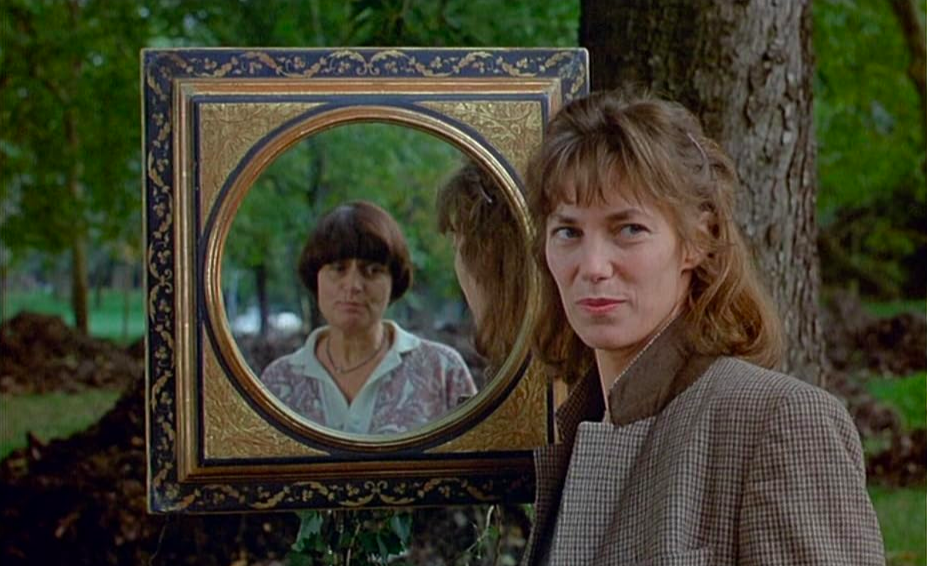
Leave it to Varda to make a cutting combo biopic/essay film. The biopic industrial complex is one of the most insidious aspects of Hollywood and of course Varda would know how to make a biopic feel like art instead of slop. The way she did that was in part by making one of the rarest of birds: an essay film. So few mainstream filmmakers attempt things like, and it is such a shame. In some ways, an essay film is one of the boldest choices to make as a filmmaker. Varda is not hiding from her subjectivity. Varda employs all her skills to capture the feeling of Jane Birkin’s life, the feeling of being an artist and actress, and the feeling of constantly being on display. At utterly fascinating film.
9. Jacquot de Nantes [1991]
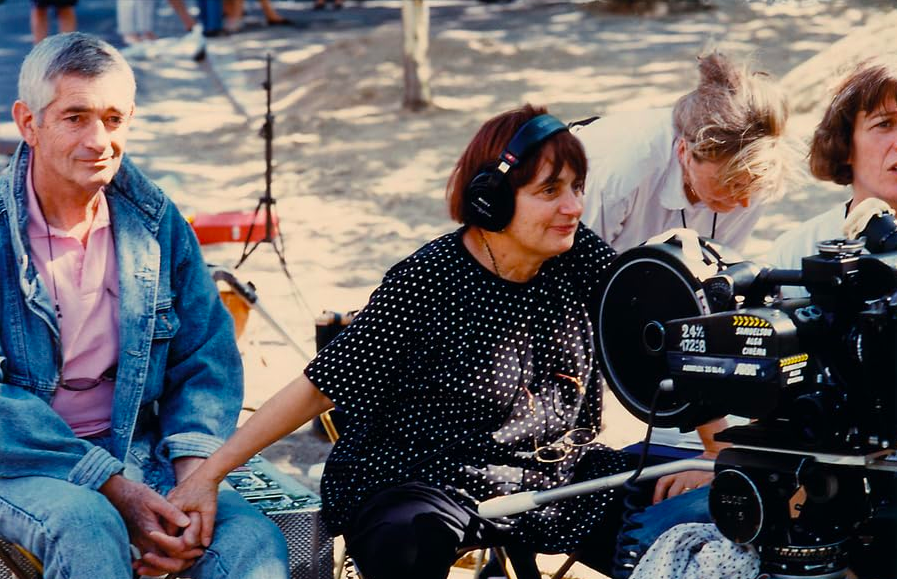
Varda made this loving tribute to her partner of three decades, Jacques Demy. It is a sweet testament to the journey of an artist and the impact ones whole life has on the works they create. I especially appreciated the fact that they emphasized how the financially disadvantaged upbringing did not in any way help to support his artistry. It was a clear major sacrifice for his passion to be supported by his family in any way. Overall, the film felt a little too on the nose at times though to really be as enchanting as it might have been. Varda does enough with the form to keep things fresh at least (the different colors, actual Demy interview footage, etc.)
8. La Pointe-Courte (1955)
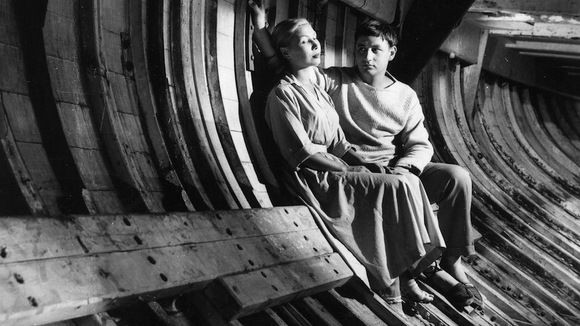 Varda made perhaps one of the most visually pleasing debuts in the history of cinema with La Pointe-Courte. Varda invites us into the titular location with beautiful shot after shot that not only pleases the senses but establishes this feeling of serenity that makes it feel like La Pointe-Courte is a place you have lived before. All of this is to say that while the focus of the film is about the trouble relationship between the two protagonists (to the extent such a term is appropriate for their description), the film is less “about” these specific people or the “events” surrounding them but more of a taste of life and what can often happen in life at different stages of relationships.
7. Vagabond [1985]
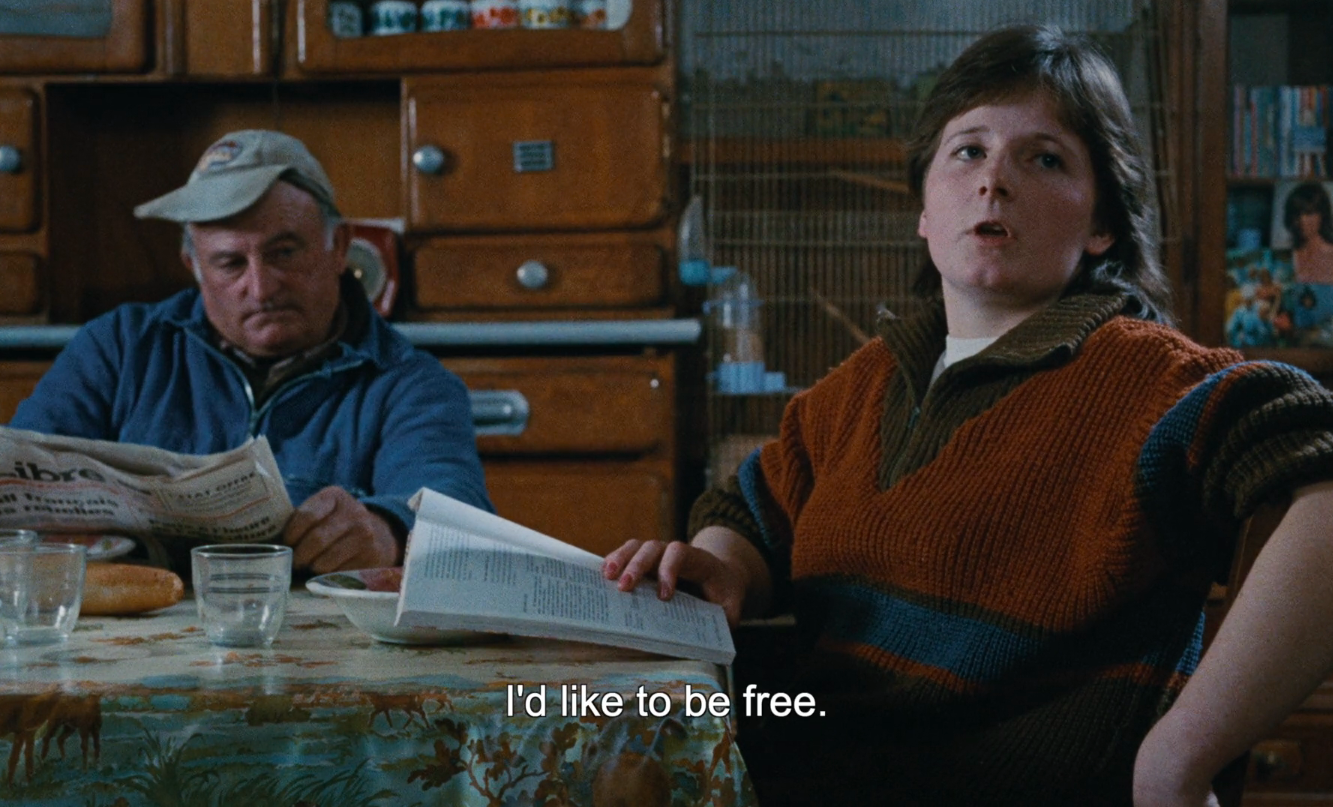
Varda explored the universal idea of the disaffected youth with this drifter film through her own personal lens of how women are held down by various forces. Mona runs away from her suffocating and mundane life and just never stops moving until she ends up frozen to death in a ditch. At one point, a character she meets on her journey lets her know that she chose freedom at the expense of loneliness. But how many of us still feel lonely without actually being alone? Mona may not have found a better world, but she wanted to try. This very much feels like a companion piece to Varda’s earlier One Sings, the Other Doesn’t and a far more honest version of Sean Penn’s hilarious Into the Wild.
6. One Hundred and One Nights [1995]

Agnes Varda’s final feature-length fiction films was a beautiful note to go out on. While it is of course that dreadful “love letter to cinema,” it is much more just a romp about old legends and new young people trying to make a name for themselves. It is about the regrets and egos of the old and the ambition and self-involvement of the young. It’s about calling in all of your favors to get as many friends and colleagues to drop by set as possible. The message: movies sure are fun to think and talk about even if it makes you a fucking weirdo.
5. Kung Fu Master [1988]
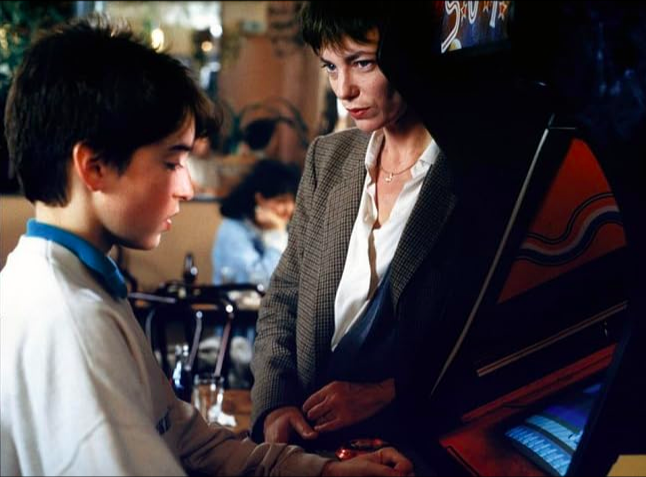
“Are you ready to die for love?”
This is the film about an underage romance I have been looking for for years. No film has captured the fucked up dynamic as well as his film. When all you remember is being a teenager and how it feels to have the attention of the adult and the desires of a child, you simply forget how fucking young teenagers are. I am a high school teacher. 17, 18, 19-year olds are like little children compared to adults. They are so immature and young. I do not mean it as an insult! I am just trying to emphasize that they are not only young they objectively but how young they act and seem. And thus, it is so fucked up that grown adults justify having any kind of sexual/romantic relationship with them.
I don’t care what the legal age of consent is. It is fucked up. But once you are an adult, it seems like some adults only remember how it felt to be a teenager. You forget what it actually means once you become an adult. And that is what this film explores. A middle-aged woman thinking about how it seemed okay as a teenager to be wanted by an adult that she does not understand how fucked it was then and how it would be fucked up for her to do it now to a teenager. This film shows how vulnerable teenagers are and how truly childlike they are. This film never hides from how fucked up this relationship is. It is the most honest film on the subject I have ever seen.
4. One Sings, the Other Doesn’t [1977]
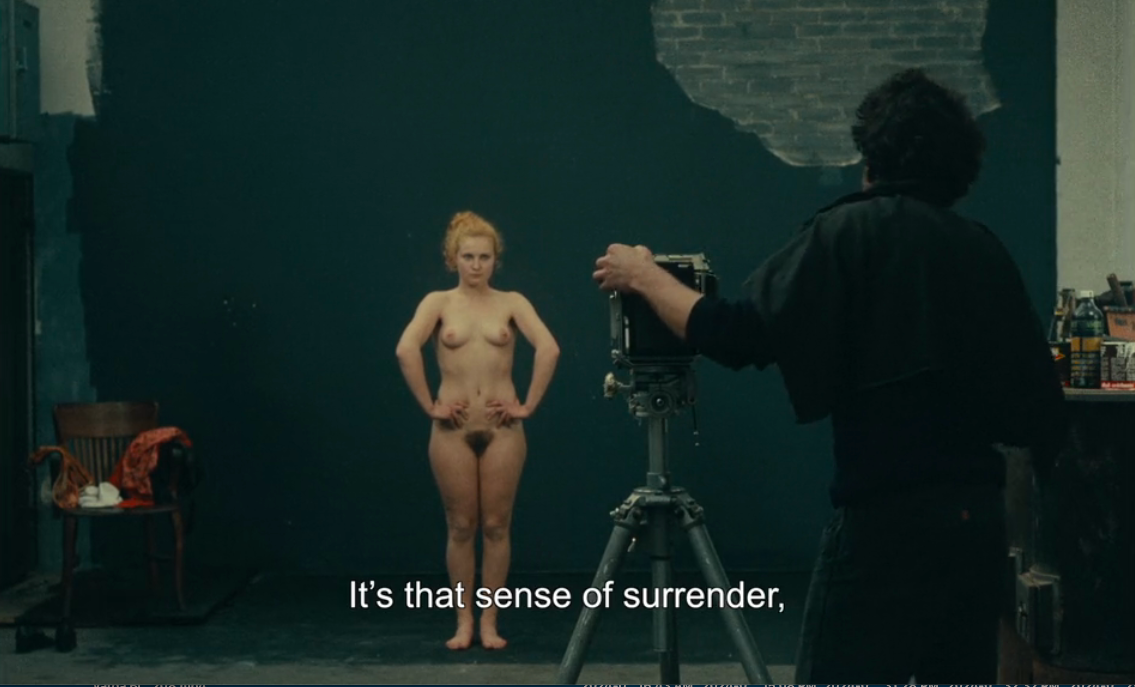
One Sings… feels like one (lesser) film at the start and then turns into one of Varda’s very best by the end. At the beginning, the film felt like a true protest novel in some ways – for Varda, a director who was all about making art capturing what it felt like to be human, this seemed odd. For much of the film, it felt like a sincere takedown of the oppressive laws regarding abortion rights (or lack thereof) in France. That is obviously a noble cause, but protest novels are hard to do and Varda did not seem to be up to the challenge.
I was a fool for doubting her though as it was merely a means to the end. The “protest novel” portion of the film is dreary looking and feeling – it is the time when the two women of the film are trapped in the various ways that women are restricted. The film jumps to the future and we now follow the film as the women are trying to find some form of independence. The film then embraces all the wonderful colors that Varda so often uses to make her films feel alive. The film also switches to a more traditional Varda film.
It captures the struggle of trying to maintain the balance between independence and life that inherently impacts others and still has men that impart control (if less restrictive than their earlier lives). And then circles all the way back to one of the woman raising a daughter and trying to use the values she wished she had when she was young. It becomes about trying to build a better world. Is there a better way of doing things than what we are doing now? I love this film. It is one of Varda’s very best.
3. Documenteur [1981]
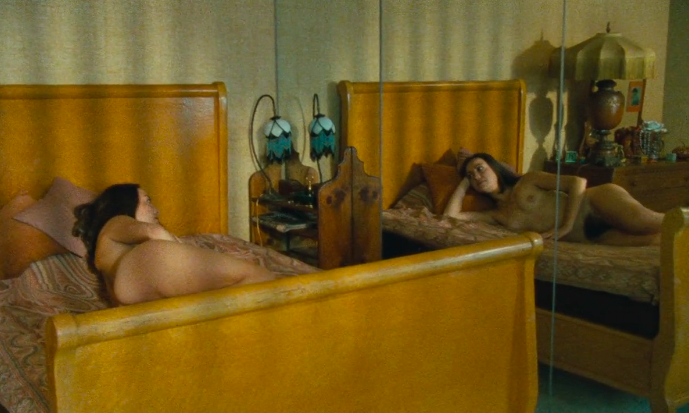
Emilie is a recently single mom, as her relationship with her partner just ended. She is a French woman in California trying to put her life back together and find a way for her son and her to function on their own. She is going through one billion (rough estimate) conflicting emotions simultaneously. She is grieving the relationship. She misses the stability of her old life. She longs for the freedom of being on her own. She loves her son dearly. She wants to be away from her son. Her son needs a lot of emotional support and attention, now more than ever with the split. Etc. etc. It is a beautiful film about navigating life and all the conflicting emotions and responsibilities that seemingly never cease to end.
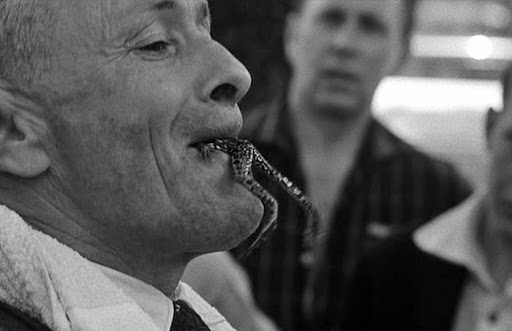
2. Cleo from 5 to 7 [1961]
“What’s a song anyway? How long does it last?”
A celebrity [potentially] dying of cancer would be trite in lesser hands. But in Varda’s expert care, the film is instead a rich tale of a woman confronting her current life in the most empathetic manner. The most quietly effecting segment is when Cleo goes to visit her friend Dorothee. While Cleo is a famous singer recognized pretty much wherever she goes, Dorothee is first seen being a nude model. Cleo cannot escape everyone looking at her. Dorothee literally bares all for anyone to see. Cleo has been in a long-term unserious relationship with a rich and powerful man who wants nothing more. Dorothee is then later seen greeting her humble, working class, and loving husband. Instead of judging Cleo or fetishizing Dorothee’s life, their brief time together in the film reveals the inner human in them both. While obviously one’s path in life can be determined by choices, a certain amount is up to chance and out of our control.
1. Le Bonheur (1965)
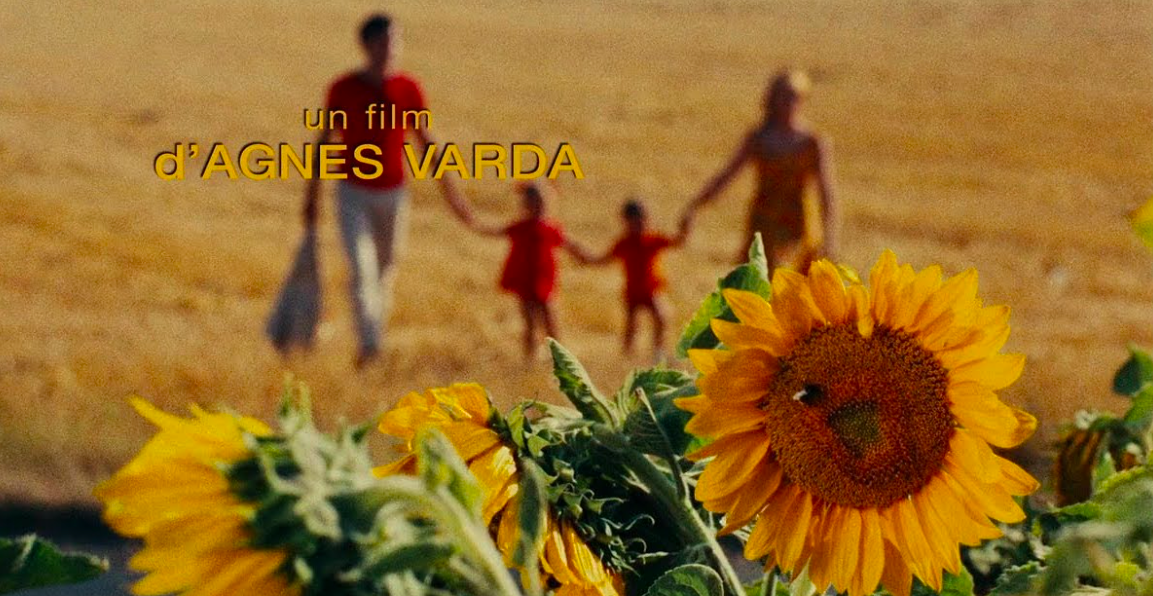
Simply put, this is one of the best films ever made. Varda just masterfully creates one of the most insidious horror stories in film. She spends an hour establishing the setup. François has an idyllic family life with his wife and two children, but he also manages to begin an affair. This seems to only make him on the surface better as a husband and father.
Then it happens. He tells his wife about the affair and asks his wife to let him keep having that affair. Francois’ wife appears to be comfortable with it. They sleep together. Francois wakes up only to discover…his wife drowned herself in the lake.
The moment ran me over like a truck. And it only got worst. After a few months of grieving, Francois simply replaces his wife with his mistress and she becomes his new wife and the new mother to his children. And the idyllic life returns. Spring may have turned to autumn but Francois will continue his life much as it was as his wife never existed and women were replaceable.
I do not normally do so much plot summary in my writeups but goddamn. I mean c’mon. The brilliance was not simply the story but it was how Varda used the screen to tell the story. Varda weaponizes color and music against the audience to disguise what is happening. The film just throws the brightest colors and this almost-chipper music at you from the beginning, and it creates this happy, beautiful mood through. It is setting you up to be crushed.
 The Reel World