
James Gray is a much celebrated filmmaker. Isaac Feldberg wrote about him: “A modern American master, James Gray makes richly textured, near-operatically expressive melodramas that swirl together history and myth in the realm of the personal.” I have always been a little cynical about him, but I decided to finally go back and see everything he did. These were the results.
8. The Lost City of Z

This film kicked off a period of higher profile (and in some cases) larger scale pictures for James Gray. It was a rough transition. It was also the first of two films in this modern era for Gray where he tried more openly to grapple with racism. I am not sure he is well-suited for such a task.
The film centers on Percy Fawcett – a man who made it his mission find civilizations in the Amazon. He is someone who is presented rather straight forwardly as a good man surrounded by selfish, bad men. You could perhaps generously say the film positions as the least bad guy in an era of much worse guys.
James Gray had this to say about the film’s protagonist: “Ota Benga was a pygmy from Africa, and they put him in a cage at the Bronx Zoo as the link between chimp and monkey and man. That’s horrible. And that’s what you’re talking about when you’re talking about 1900. So, given that, [Percy] Fawcett was kind of advanced for his time. So, you cannot condemn characters, I don’t think, because we’re all hostage to what is in fashion and what is the idea of the day. I saw Fawcett, given that context, as a rather progressive figure, someone who at least made some attempt to contact and respect indigenous peoples in South America.”
I do not know. I am not one to say you cannot film whatever story you want. I am just not sure what one gets out of filming this one, and I am even more confused by the large amount of praise it received.
7. Armageddon Time [2022]
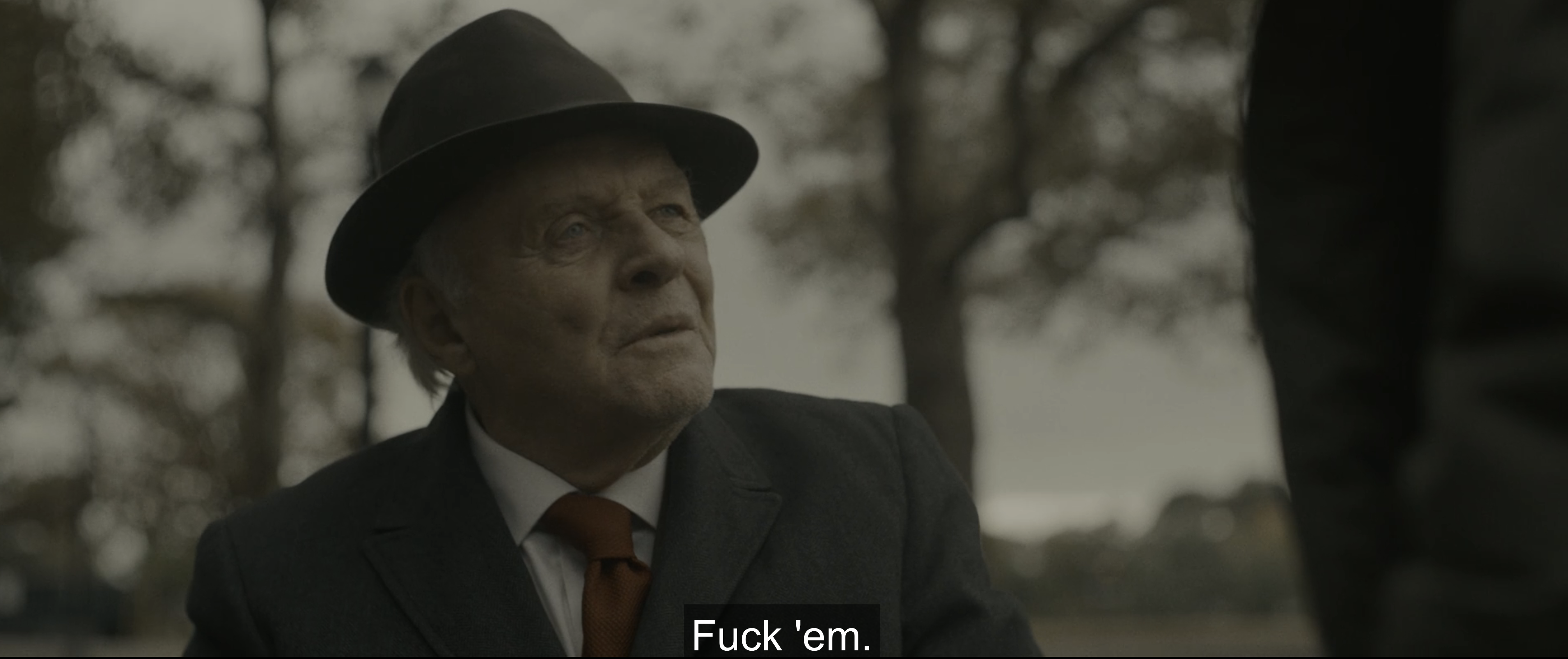
Two genres of films developed in the second half of the 2010s. Filmmakers were both trying to respond to the rise of Donald Trump in United States politics and older white men directors were trying to grapple with racism more openly than ever before. James Gray somehow came to the conclusion to do both of those things simultaneously with this film. It led to such unintentionally hilarious moments here as Trump’s older sister and FRED TRUMP popping up to visit a rich private school full of assholes. Ronald Reagan is on the verge of being elected President (hence the titular Armageddon Time). The grappling with racism part comes from Gray’s childhood stand-in befriend a black boy and the consequences that came for the black boy (that did not come for the young James). It is a clunky film with great moments (carried by Anthony Hopkins and Anne Hathaway). The more Gray strayed away from the family dynamics that made his previous films so strong, the more this film struggled to hit the mark.
6. The Immigrant [2013]
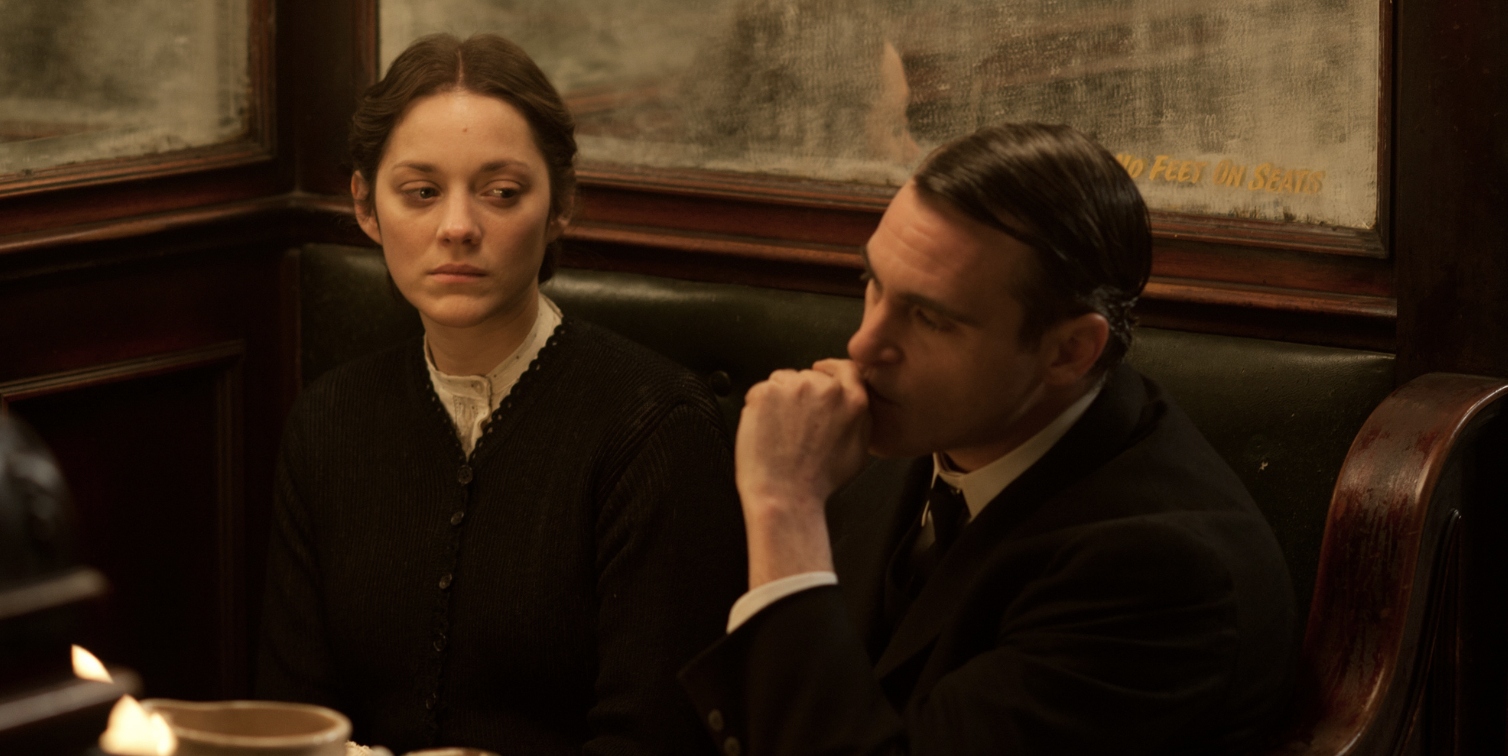
The Immigrant is a rare film from James Gray that feels aggressively mid. It aims small and misses small compared to some of Gray’s misfires to come. That makes it less frustrating in many ways, but it should be noted that I do admire the ambition of City of Z or Armageddon Time compared to something like this that feels so uninspired in some ways.
James Gray has a deep love for humanity and always (even in his weakest films) feels like someone that manages to capture something true about the people on the screen if not humanity itself. So, it’s never really an unpleasant experience watching any of his films. You never feel like you’re wasting your time. You do kind of wonder if he’s wasted his though.
5. Little Odessa [1994]

James Gray’s first film was rather stunning frankly. It is very rare to see a first-time feature filmmaker display such an excellent command of the camera and an understanding of themselves and what they care about so much. Gray’s ability to take crime stories that sound old-fashioned and make them seem emotionally truthful and not only fun genre exercises (though they often are that too for him) is one of his greatest gifts.
Part of what makes Gray’s exploration of crime stories so fascinating and compelling is his portrayal of violence. It’s also what makes his debut film less impressive than what was to come. In The Yards and We Own the Night, Gray delivered devastating violence on the screen. The humanity of the characters shines brightest in these moments in the way Gray really managed to show just how chaotic and terrifying it is to be surrounded by or even commit violence. Little Odessa has a much more consciously cinematic violence by Tim Roth who very coldly completes his hit jobs. That distinction just makes Little Odessa less interesting. It is a small way of showcasing just the room for growth Gray still had at this point.
4. The Yards [2000]
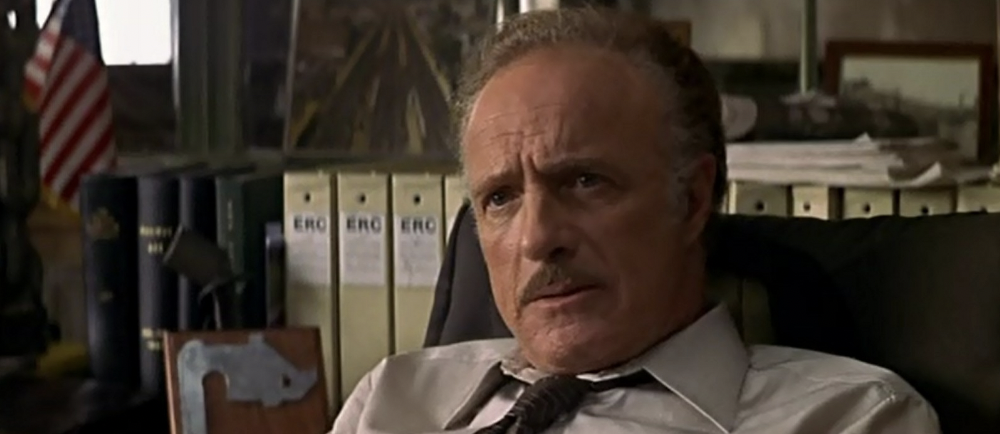 Gray’s “classical” style is really just him taking a story outline/setup that feels like something you would only see in 30s/40s Hollywood and told with sincerity. Much like We Own the Night years later, Joaquin Phoenix and Marky Mark are in an only in old Hollywood situation: Joaquin is the friend who is a criminal with a decent life and has clear moral gaps whereas Marky Mark is fresh out of prison after taking the fall for a crime but is clearly a decent human being. The story only works in the 21st century due to Gray’s ability to avoid all cynicism.
Much like in We Own the Night, I was particularly drawn to the scenes of physical violence – as they just best capture Gray’s gifts. Once again, the violence is very sudden and chaotic. There is nothing typically cinematic in the murder of the yard manager and the fight with the cop. The characters are just reacting – the scenes are frantic. The later when Wahlberg is tasked with murdering a witness, you can feel the tension rising and the fear bubbling inside him. When he says, “I feel like I’m gonna fucking die” right before he goes off to do the deed, you can feel the sentiment marrow deep. He and the audience are realizing the full weight of what he is being asked to do. Gray films some of the most compelling violence I have ever seen on film.
3. We Own the Night [2007]

On paper, We Own the Night feels like a fucking 30s gangster picture. There are two brothers! One is a gangster! One is a cop! What’s gonna happen??? James Gray as expected though takes that sincerity of a premise and combines it with some modern ideas to make a truly gripping movie. The movie’s quality is most exemplified with its scenes in which characters are in sudden and very real danger. As in they might be killed at any moment.
Gray manages to capture the pure terror one must feel in that situation. The chaos and the adrenaline. You just react. You barely can think if at all and you just do things that may help you survive but really you may just be getting yourself killed just as easily. You have no idea. While the car chase is almost infamously good, I want to call attention to an earlier (if less haunting) scene.
Joaquin Phoenix has a wire on while infiltrating a dangerous gang, and they manage to discover the wire. Phoenix is just REACTING. The camera is desperately trying to keep up. For fear of being shot, Phoenix darts out a second-story window and crashes to the floor. It’s all over in a second. It’s incredible.
2. Ad Astra [2019]
 “The attack it was full of rage. I understand that rage. I’ve seen that rage in my father and I’ve seen that rage in me. Because I’m angry that he took off. He left us. You know but when I look at that anger, if I push it aside and just put it away all I see is hurt. I just see pain. I think it keeps me walled off walled off from relationships and opening myself up and, you know, really caring for someone. And I don’t know how to get past that.I don’t know how to get around that. And it worries me. And I don’t wanna be that guy. I don’t wanna be my dad.”
While The Lost City of Z felt like a misstep in Gray’s transition to larger scale pictures, Ad Astra then became one of my favorite films he has ever made. I know this might seem wrong to the director himself who has expressed frustration about not having final cut, but a great film is a great film. Brad Pitt has to travel to the ends of the galaxy to find out how much his father may have sucked. The literal journey pairs with the emotional and psychological journey of trying to unpack not just his relationship with his father and how it impacted but his relationship with who he is as a man. He is reckoning with how he has been socialized to behave and trying to take back control to decide who he is and who his father was. It is a beautiful movie that just keeps getting better.
1. Two Lovers [2008]

At first, I thought this film seemed like a real departure for James Gray. He just made three films in a row to start his feature career all about hitmen, cops, and gangsters. Classic cinema ideas! But then I remembered: a story about two attractive women being drawn to a loser is one of the most classical Hollywood stories of them all.
Joaquin Phoenix is a lost soul whose life did not work out, has survived suicide attempts, and has now moved back in with his parents. He desires to escape the cycle he is trapped in, but he is not close to being able to doing so until he receives attention from women. Two of them in fact.
One woman, Gwyneth Paltrow, seemingly is just as lost as Phoenix. She is in a self-destructive pattern and is struggling to escape the unhealthy cycle that seemingly has her ending up in toxic dynamics with men (including Phoenix).
The other woman, Vinessa Shaw, seems on the surface like she has it more together but she also is trying to force this relationship with Phoenix when his actions really do not convey that he is as invested. Phoenix exploits the safety of Shaw’s attention to feel whole while the more surface-level tantalizing Paltrow gives him attention refuses his advances.
While Phoenix’s characters flaws are shown in his inability to listen to Paltrow, Paltrow’s struggles are shown in her ability to separate herself from Phoenix despite him not truly respecting her desires to just be friends. These are three broken people who are lost and do not fully know themselves. It is self-destruction at its most real. And James Gray’s best film.
 The Reel World